


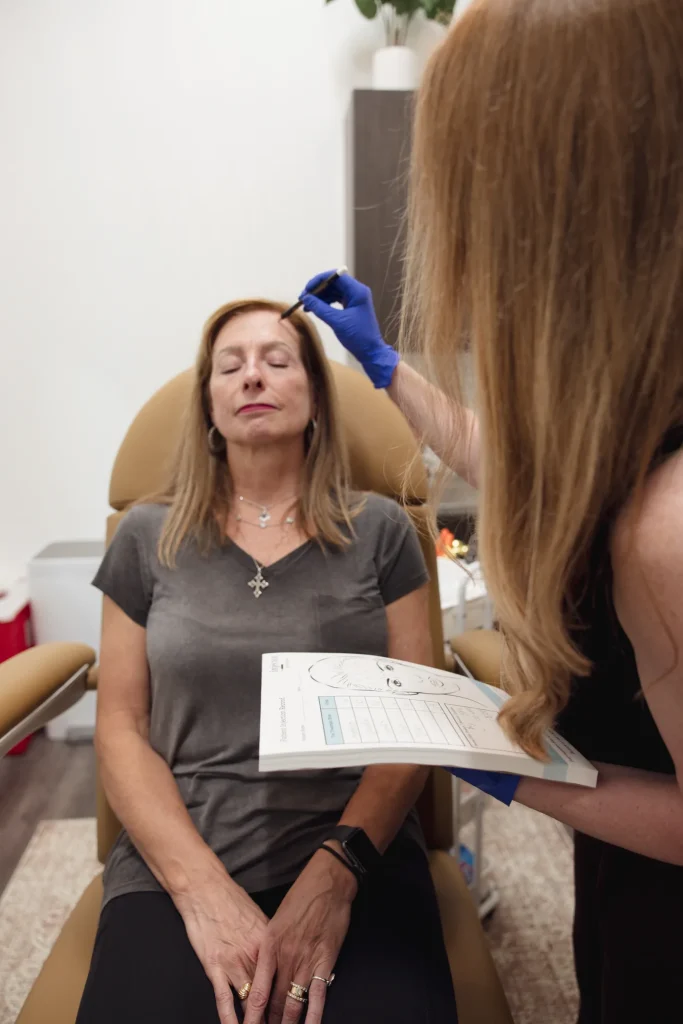
Opening a medical spa can be an exciting way to combine healthcare, aesthetics, and entrepreneurship. But a successful med spa requires much more than finding a beautiful space, buying equipment, and creating an Instagram account.
A medical spa is still a medical business.
That means ownership structure, clinical oversight, provider scope of practice, patient safety, documentation, insurance, staffing, training, and compliance all need to be considered before your first patient walks through the door.
If you’re researching how to open a med spa in 2026, the smartest approach is to build the clinical and legal foundation first and then develop the brand, services, team, and marketing strategy around it.
Requirements can differ significantly from one state to another because many treatments performed in medical spas are considered the practice of medicine.
This guide walks through the major steps involved in turning a med spa idea into a functioning aesthetics business.
Important: This article is for educational purposes and is not legal, medical, tax, or financial advice. Med spa laws vary by state, and regulations can change. Work with qualified healthcare attorneys, accountants, insurers, and regulatory professionals familiar with your state before opening or changing your practice.
What Is a Medical Spa?
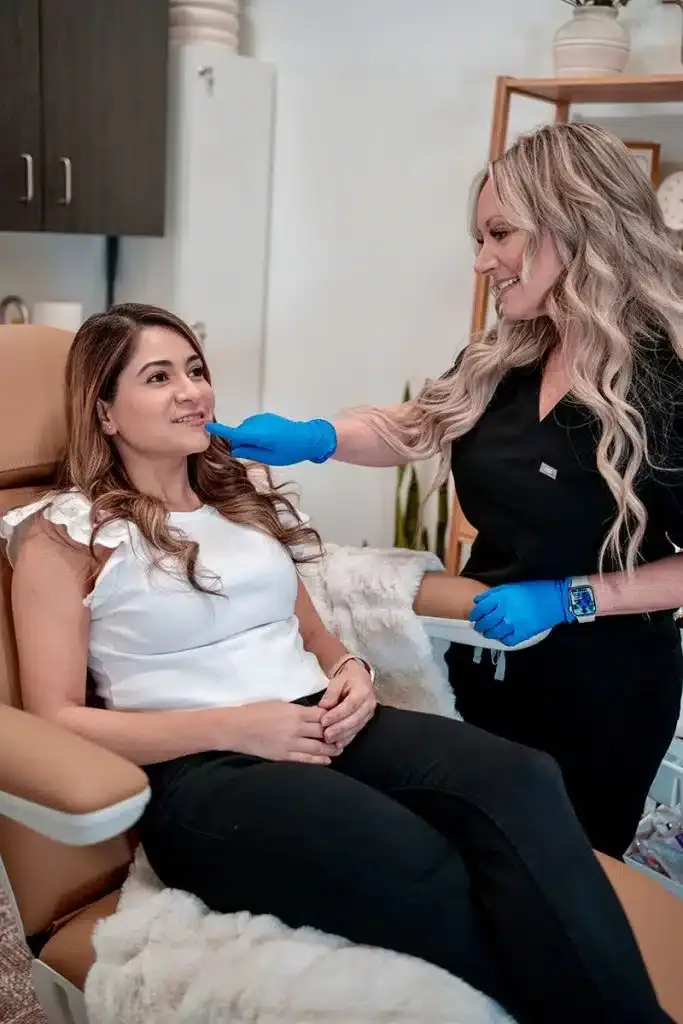
A medical spa, commonly called a med spa or medical aesthetics practice, combines elements of a traditional spa with medical aesthetic treatments performed by appropriately licensed healthcare professionals.
Depending on the practice, services may include:
- Neurotoxin injections such as Botox
- Dermal fillers
- Biostimulators
- PRP or PRF treatments
- Microneedling
- Laser and energy-based treatments
- Chemical peels
- Skin rejuvenation treatments
- Body contouring
- Wellness or regenerative services
The important distinction is that many of these procedures are not simply beauty services. They may constitute the practice of medicine, which means healthcare laws and professional licensing rules can apply.
That distinction influences nearly every decision you make when opening the business.
How to Open a Med Spa: 12 Steps to Build Your Practice
There is no universal checklist that applies perfectly to every med spa in every state. However, most owners will need to work through the following areas.
1. Define Your Med Spa Concept
Before filing paperwork or shopping for devices, get clear about what you’re actually building.
Start with your target patient.
Are you creating a boutique injectable practice centered around Botox and filler? A larger medical aesthetics clinic offering injectables, lasers, skin treatments, and body contouring? A luxury practice? A membership-focused neighborhood med spa?
Your answer affects almost everything that follows, including your location, startup budget, staffing needs, medical oversight, training requirements, equipment purchases, and marketing strategy.
It also helps determine your initial service menu.
One common mistake is trying to launch with every possible treatment. More services can mean more devices, inventory, training, protocols, and overhead.
Starting with a focused group of treatments that fit your market and clinical capabilities can make the business easier to operate and refine.
2. Research Your State’s Med Spa Laws
This is one of the most important steps in learning how to open a med spa.
There isn’t one nationwide med spa license or ownership model that applies everywhere. State laws can differ substantially regarding who can own the clinical practice, who can perform specific treatments, what supervision is required, and who may evaluate patients or prescribe treatments.
Questions to investigate include:
Who can legally own the medical practice?
Some states restrict ownership of medical practices through rules commonly associated with the corporate practice of medicine.
Who can inject?
An RN, NP, PA, physician, or other professional may have different scopes of practice depending on the state and procedure.
What supervision or delegation is required?
A provider’s ability to perform aesthetic procedures may depend on physician or advanced-practice oversight.
Who performs the initial medical assessment?
The requirements for patient evaluation and establishing a treatment plan can differ by jurisdiction.
Does the medical director need to be on-site?
Supervision requirements can range from remote availability to specific on-site requirements depending on state law and the treatment being performed.
Do not build your practice based solely on what another med spa is doing. Their ownership structure, licenses, delegation agreements, or regulatory circumstances may be different from yours.
The American Med Spa Association similarly notes that a med spa opening checklist can look very different depending on where in the United States the practice operates.
3. Determine Whether You Need a Medical Director
For many med spa businesses, establishing appropriate medical oversight is a critical part of opening.
A medical director generally provides clinical leadership and helps establish the medical framework under which services are provided. The exact responsibilities and legal requirements depend on state law and the structure of the practice.
Depending on the jurisdiction and business, responsibilities may include involvement with:
- Clinical protocols
- Provider supervision or delegation
- Patient safety standards
- Emergency procedures
- Treatment policies
- Prescription medications
- Chart review
- Quality assurance
- Scope-of-practice compliance
Simply putting a physician’s name on the website does not create a compliant medical-director relationship.
The arrangement needs to reflect applicable state law and the actual clinical operations of the practice.
Medical Director Support Through Medical Director Co.
Finding appropriate medical oversight can be one of the biggest challenges when opening a med spa, especially for nurses and other healthcare professionals transitioning into aesthetics.
Injector Training Academy helps connect aspiring med spa owners with Medical Director Co., which provides support with finding and hiring a medical director for their practice.
Having the right medical director relationship is about more than checking a box. Depending on your state’s requirements and practice structure, medical oversight may play an important role in clinical protocols, delegation, prescribing, patient safety, and provider supervision.
Because requirements vary by state, your medical director arrangement should be structured around your location, professional licenses, ownership model, and the treatments you intend to provide.
Through our industry partnerships, we can help make this part of the med spa startup process easier to navigate.
4. Create a Med Spa Business Plan
Once you understand the regulatory framework, turn your idea into numbers.
A med spa business plan doesn’t need to be hundreds of pages. It does need to answer some important questions.
Who is your target patient?
What treatments will you offer?
What will each treatment cost?
What is your average expected patient value?
What are your fixed monthly expenses?
What are your product and supply costs?
How many appointments must you complete each month to break even?
How will you acquire patients?
Your startup budget should account for more than rent and injectables.
Potential costs can include:
- Business formation and legal services
- Medical and professional licensing
- Lease deposits and build-out
- Furniture and treatment rooms
- Medical equipment
- Injectable inventory
- Clinical supplies
- Medical waste disposal
- Insurance
- Electronic medical records or practice software
- Payroll
- Marketing
- Website development
- Training
- Medical director or oversight expenses
- Merchant processing
- Accounting and bookkeeping
Include working capital as well. A new med spa may need time to develop a consistent patient base.
5. Establish the Correct Business and Ownership Structure
A med spa’s legal structure may be more complicated than opening an ordinary salon or retail business.
Depending on your state and who owns the business, you may need some combination of a professional medical entity and a separate management organization.
However, the correct structure depends heavily on state law.
Before signing a lease or accepting patients, speak with an attorney experienced in healthcare and medical aesthetics about entity formation, ownership, management agreements, and corporate-practice-of-medicine restrictions.
6. Choose Your Location
Location can have a major impact on patient acquisition and profitability.
A beautiful office is valuable, but don’t choose a space based on aesthetics alone.
Evaluate factors such as:
- Local demographics
- Household income
- Nearby competitors
- Visibility
- Parking
- Accessibility
- Lease terms
- Zoning
- Room for growth
- Proximity to complementary businesses
Think about your actual patient experience as well.
Can patients find you easily? Is parking stressful? Is there enough privacy? Can your rooms accommodate the services you’re planning to add?
Before committing to a long-term lease, confirm that the location can legally and practically support your intended medical use.
7. Build a Focused Treatment Menu
Your service menu determines much of your clinical operation.
For an injectable-focused practice, the initial menu might center on treatments such as neurotoxins, dermal fillers, and selected regenerative procedures.
A larger med spa may eventually add lasers, skin treatments, body contouring, or other modalities.
Practices that expand into men’s wellness may also need procedure-specific training, such as a penile injections training course.
The goal isn’t necessarily to offer the most treatments.
It is to offer treatments your team can perform safely, consistently, and confidently.
Every new treatment may introduce additional training, consent forms, supplies, equipment, contraindications, protocols, emergency planning, and regulatory considerations.
Build depth before chasing breadth.
Find a Reliable Botox and Filler Supplier
Once you know which injectable treatments you’ll offer, another major question is:
Where will you purchase your Botox and dermal fillers?
Reliable product sourcing should be part of your planning from the beginning. Your practice needs a dependable supply chain for the products you use while also considering ordering procedures, inventory management, storage requirements, and product authenticity.
Injector Training Academy works with Dewitt Pharma to help eligible aesthetics practices access Botox, dermal fillers, and other products needed for their day-to-day injectable services.
This creates a more connected path for providers entering aesthetics. Instead of completing training and then having to independently figure out where to turn for every part of opening a practice, you can access resources within our professional network.
Train with Injector Training Academy. Get support finding a medical director through Medical Director Co. Access Botox and filler supplies through Dewitt Pharma.
The goal is to help you move from learning how to inject to understanding what it takes to operate an aesthetics practice.
8. Hire and Train Your Clinical Team
Your providers become the face of your med spa.
Credentials matter, but credentials alone don’t guarantee someone is prepared to practice aesthetic medicine.
A strong injector needs to understand far more than where to place a needle.
Training should develop knowledge in areas such as:
- Facial anatomy
- Patient assessment
- Product selection
- Treatment planning
- Injection technique
- Dosing principles
- Contraindications
- Complication recognition
- Complication management
- Documentation
- Patient communication
- Follow-up
Hands-on experience is especially valuable because aesthetic injecting is a practical skill.
At Injector Training Academy, training is built around an anatomy-first, safety-focused approach with opportunities for supervised hands-on experience and mentorship from experienced injectors.
Hands-on programs run in cities across Texas, including Dallas, Fort Worth, Austin, Plano, Argyle, Colleyville, Waxahachie, and The Woodlands. Clinicians who want to start with self-paced coursework can begin with online Botox training and add supervised hands-on practice afterward.
For clinicians who want to eventually open their own practice, training should also help them understand how clinical decision-making translates into everyday med spa operations.
9. Develop Clinical Protocols and Safety Systems
A med spa should have documented systems before patients begin receiving treatments.
Protocols may address patient screening, informed consent, photography, treatment documentation, medication storage, infection control, emergency response, follow-up, and adverse-event management.
The specific requirements depend on the services offered and applicable regulations.
Workplace safety also matters.
For an aesthetics practice using needles, sharps safety should never be treated as an afterthought.
Your team should know exactly what to do if there is a needlestick, blood exposure, allergic reaction, suspected vascular complication, or another medical emergency.
10. Set Up Patient Privacy and Documentation Systems
A med spa generates sensitive patient information.
That can include medical histories, treatment notes, photographs, prescriptions, payment information, consent forms, and communications.
HIPAA does not automatically apply to every business that happens to handle health-related information. It applies to covered entities—including healthcare providers that conduct certain standard transactions electronically—and their business associates as defined by the law. (HHS.gov)
If your practice is a HIPAA-covered entity, you will need appropriate privacy and security policies and safeguards.
HHS notes that covered providers must implement privacy procedures, train staff, designate responsibility for those procedures, and protect records containing identifiable health information. (HHS.gov)
Your technology choices matter too.
Think carefully about:
- Electronic medical records
- Patient photos
- Online intake forms
- Text messaging
- Appointment software
- Payment systems
- Cloud storage
- Marketing platforms
If vendors handle protected health information on behalf of a covered entity, determine whether appropriate business associate agreements are required.
Patient information shouldn’t be scattered across personal phones, inboxes, spreadsheets, and unsecured apps.
Build the system correctly from the beginning.
11. Get the Right Insurance
Before treating patients, speak with an insurance professional who understands medical aesthetics.
Coverage may include:
Professional liability/malpractice insurance: Helps address claims related to professional medical services.
General liability insurance: Addresses certain non-clinical business risks.
Property coverage: Protects equipment, furnishings, and other business property depending on the policy.
Workers’ compensation: Requirements depend on state law and employment circumstances.
Cyber liability: May help address risks involving electronic patient information and cyber incidents.
Do not assume one policy covers every provider, procedure, device, or location.
Tell your insurer exactly what services you plan to offer and who will perform them.
12. Build Your Med Spa Brand and Patient Acquisition Strategy
Once your legal, clinical, and operational foundation is being established, you can focus aggressively on growth.
A med spa doesn’t grow because it has a logo.
It grows because people in the market repeatedly discover the practice, trust its providers, book appointments, have a strong experience, and return.
Your marketing strategy might combine:
Local SEO: Build pages targeting the treatments patients actually search for in your city.
Google Business Profile: Maintain accurate information, photos, services, and patient reviews.
Social media: Use educational content, provider personality, patient journeys, and treatment information to build trust.
Before-and-after photography: Consistent photography can demonstrate your aesthetic style, subject to patient authorization and applicable privacy/advertising rules.
Email and SMS: Stay connected with existing patients for follow-ups, education, reminders, and promotions consistent with applicable marketing and communications rules.
Memberships: Recurring programs can encourage retention when structured appropriately.
Referral programs: Happy patients can become an important acquisition channel.
The biggest opportunity, however, may be retention.
Someone who trusts you for Botox may later consider filler, skin treatments, or other services. Building long-term patient relationships can reduce your dependence on constantly finding brand-new leads.
How Much Does It Cost to Open a Med Spa?
There isn’t one reliable startup number for every med spa.
A small injectable practice operating from a modest clinical space will have a very different budget from a luxury facility purchasing multiple energy-based devices and completing an extensive build-out.
Rather than starting with an arbitrary figure, build your budget around four categories.
Clinical Costs
These include injectable inventory, treatment supplies, emergency supplies, medical equipment, PPE, sharps containers, and other items necessary to safely provide your services.
Facility Costs
Consider rent, deposits, utilities, furniture, signage, renovations, treatment beds, storage, and reception areas.
Professional and Compliance Costs
These can include legal counsel, entity formation, accounting, licensing, insurance, medical oversight, policies, and compliance support.
Growth Costs
Budget for your website, SEO, advertising, photography, branding, CRM, booking software, and launch campaigns.
Then add working capital.
Opening the doors isn’t the finish line. You need enough financial runway to operate while your patient base develops.
Do You Need to Be a Doctor to Own a Med Spa?
This is one of the most common questions from nurses and aesthetics entrepreneurs.
The answer is: it depends on your state and business structure.
Some states impose restrictions on who may own or control a medical practice. Others have different rules or structures that may allow non-physicians to participate in the business side while clinical services remain appropriately owned and controlled.
This is why copying another med spa’s business structure can be dangerous.
Your best first move is to determine:
- Who will own the medical entity?
- Who will provide medical oversight?
- Who will perform treatments?
- What licenses do those providers hold?
- What services will be offered?
- What does your state’s law require for each?
Then have a qualified healthcare attorney help structure the practice appropriately.
Do You Need a Medical Director to Open a Med Spa?
Potentially, but the exact answer depends on your state, provider mix, ownership model, and services.
More importantly, don’t think of medical direction as simply renting a physician’s license.
Appropriate medical oversight is about building a safe clinical practice.
The medical side of the business may require involvement in provider supervision, protocols, prescribing, quality assurance, patient assessment, delegation, and emergency preparedness depending on applicable law.
If medical director placement is one of the obstacles keeping you from moving forward, Medical Director Co can help you explore medical director placement and med spa consulting options based on your situation.
Common Mistakes When Opening a Med Spa
Many expensive problems begin before opening day.
One is signing a lease too early. Owners sometimes fall in love with a location before confirming zoning, regulatory requirements, or whether the business model makes financial sense.
Another is buying too much equipment. Expensive devices can create significant monthly overhead before patient demand exists.
A third is underestimating compliance. A consent form downloaded online isn’t a complete compliance system.
Another common issue is hiring providers without sufficient aesthetic training. A clinical license is essential, but aesthetic procedures require specialized knowledge, judgment, and hands-on skill development.
Finally, many owners focus heavily on getting new patients while ignoring retention. A practice with 1,000 leads and poor follow-up may be less valuable than one with a smaller patient base that consistently returns and refers friends.
How Long Does It Take to Open a Med Spa?
The timeline varies.
Your state requirements, entity structure, medical director arrangements, financing, location, construction, credentialing, hiring, equipment, and training can all affect how quickly you can open.
Instead of choosing a grand-opening date first and forcing everything to fit it, work backward from the steps that cannot be rushed.
A practical sequence might look like:
Concept → Legal research → Ownership structure → Medical oversight → Business plan → Location → Insurance → Clinical protocols → Staffing and training → Systems → Marketing → Launch
Several steps can happen simultaneously, but the clinical and legal foundation should guide the business—not be added after everything else has already been purchased.
Your 2026 Med Spa Opening Checklist
Before opening, make sure you’ve addressed the major areas of the business:
- Business concept and target patient
- State-specific med spa laws
- Ownership and entity structure
- Medical director or required clinical oversight
- Business plan and financial projections
- Financing and working capital
- Location and zoning
- Treatment menu
- Provider licensing and scope of practice
- Injector and staff training
- Professional and business insurance
- Clinical protocols
- Emergency procedures
- OSHA requirements
- Privacy and patient-data requirements
- EMR and documentation
- Consent forms
- Product and supply vendors
- Pricing strategy
- Website and branding
- Marketing systems
- Patient follow-up and retention strategy
The exact requirements will vary, but this provides a framework for conversations with your legal, clinical, accounting, insurance, and business advisors.
Building a Med Spa Is Easier With the Right Support
Learning how to open a med spa can feel overwhelming because you’re not simply starting a beauty business.
You’re building a healthcare practice and a consumer brand at the same time.
You need clinical skills, business systems, appropriate medical oversight, strong patient experiences, and a strategy for bringing people through the door.
Trying to figure out each piece independently can lead to unnecessary delays and expensive mistakes.
Injector Training Academy supports healthcare professionals at multiple stages of the aesthetics journey—from developing hands-on injector skills to navigating the business side of building a med spa.
Depending on your goals, that may include injector education, med spa consulting, medical director placement, and connections to trusted partners throughout the aesthetics ecosystem.
Whether you’re an experienced injector preparing to launch your own location or a healthcare professional just beginning to explore aesthetics, start by understanding exactly what your state requires and building your clinical foundation correctly.
Then build the business around it.
Ready to Open Your Med Spa?
You don’t have to figure out every part of opening a med spa by yourself.
Injector Training Academy can help you build your clinical foundation and connect you with resources for the business side of aesthetics.
Whether you’re still learning Botox and filler or you’re already an experienced injector preparing to open your first location, we can help you identify your next steps.
Train with Injector Training Academy. Get medical director support through Medical Director Co. Source Botox and dermal fillers through Dewitt Pharma.
Ready to start building your med spa? Explore our Med Spa Consulting services and discover the resources available to help take your practice from idea to opening day.
About the Author
Kiara DeWitt, BSN, RN, CPN — Injector Training Academy.