


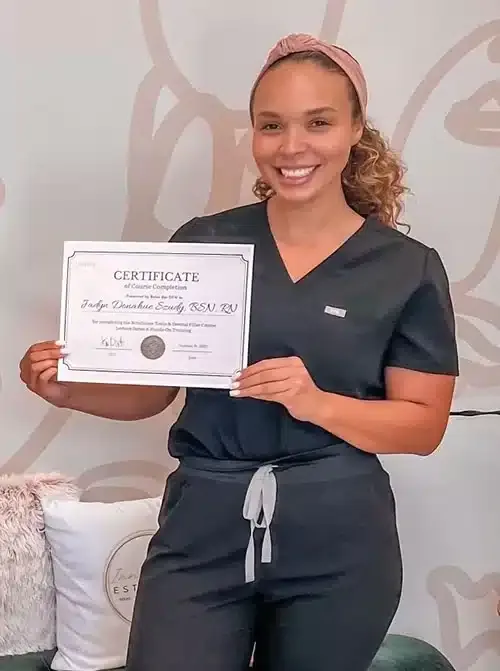
Almost every injector job post seems to ask for experience. That leaves new injectors stuck: you need a job to get experience, and experience to get a job. The good news is that Texas med spas do hire new injectors. They just need to see proof that you’re safe, trainable and serious.
This guide walks you through the steps that help a registered nurse with no aesthetics background land a first injector role in Texas.
What Texas Med Spas Look For
When a clinic considers a new injector, owners and medical directors usually check for:
- An active license. RN, NP, PA or physician, in good standing with the Texas Board of Nursing or the relevant board.
- Real injector training. Not just a certificate, but hands-on work with live models.
- Clinic exposure. Some understanding of how consultations, photos, charting and follow-ups work in a med spa.
- Strong nursing fundamentals. Assessment, sterile technique, emergency response and documentation.
- People skills. Patients rebook with injectors they trust and like.
You can’t fake the first three, but you can build them, often in a few months.

Step 1: Get Trained With Live-Model Experience
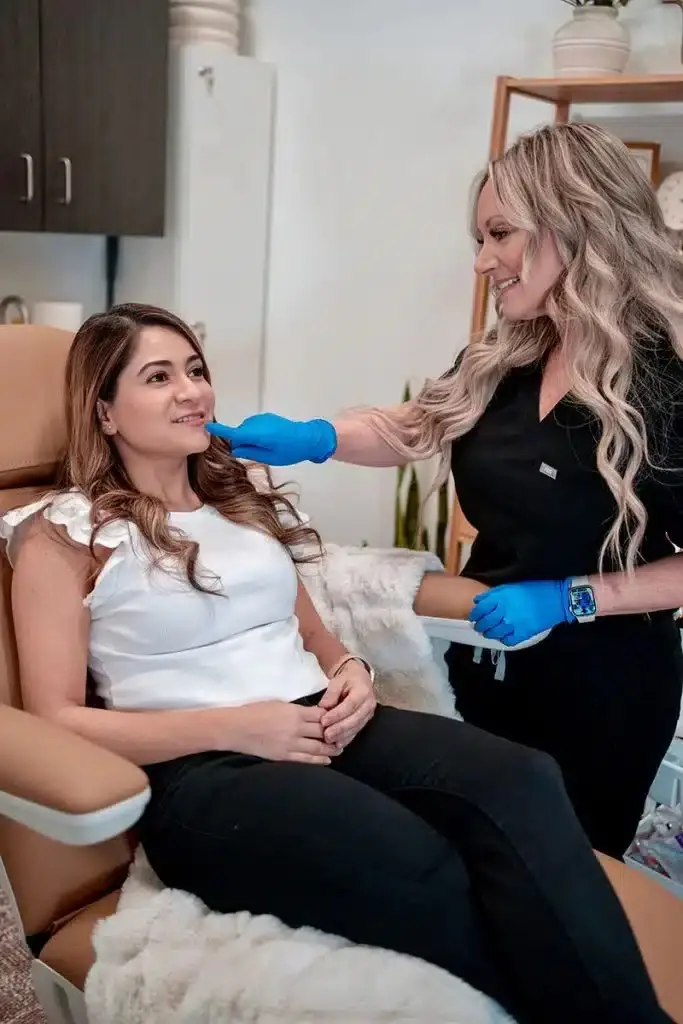
Your training is the foundation of your application. Employers want to know how many live patients you’ve treated, not just how many hours you sat in a classroom.
Look for training that includes:
- Facial anatomy and danger zones
- Neurotoxin and dermal filler technique
- Supervised injecting on live models, not just mannequins
- Consent, documentation and complication management
At Injector Training Academy, both programs are one-on-one:
- Injector Certification Program: a self-paced online course plus a one-on-one hands-on day with 3 neurotoxin and 3 filler models.
- Aesthetic Injector Internship: 12 weeks and 80+ hours of one-on-one training, with 6 neurotoxin and 6 filler models.
Start with our online Botox training course, and see full details on our Botox and dermal filler training for registered nurses page.
Step 2: Build Real Clinic Exposure
Training teaches you to inject. Clinic exposure shows you how the job actually works. Two common ways to get it:
- Shadowing. You observe experienced injectors with real patients. Many med spas charge for shadow days.
- An internship. You combine supervised injecting with time in working clinics and mentorship.
ITA’s internship includes unlimited shadowing at all nine Texas locations, so you can see different injectors, patient types and clinic styles before you apply anywhere.
Step 3: Build Your Resume and Portfolio
Your resume should lead with what employers care about:
- License type, state and status
- Injector training: program, provider, format and date
- Number of live models treated, by type
- Shadowing hours and locations
- Nursing experience rewritten for aesthetics: assessment, sterile technique, patient education
Mirror the language in job posts, since many clinics use an applicant tracking system to screen resumes.
Portfolio photos need consent. Only use before-and-after photos when the patient signed written consent for that specific use. Use consistent lighting and angles, never edit results, and remove identifying details. If you’re unsure, leave the photo out.
Step 4: Know Where to Find Openings
Don’t rely only on big job boards. New injector roles often come through:
- Med spa websites and social media. Many clinics post openings on their own pages.
- Your training network. Trainers, mentors and other graduates often hear about roles first.
- Shadowing and internship sites. Clinics that have seen you work are more likely to hire you.
- Dermatology and plastic surgery practices with a cosmetic side.
- Local professional groups and nursing networks.
Learn which roles exist in a typical clinic in our guide to med spa positions. Consider starting part-time or PRN while you keep your current job. Many nurses build their aesthetics schedule this way.
Step 5: Prepare for Interview Questions
Expect questions about safety, judgment and patient care. Prepare clear answers to:
- “Tell me about your aesthetic training. How many live models did you treat?”
- “How would you recognize and respond to a vascular occlusion?”
- “What would you do if a patient asked for a result you couldn’t safely deliver?”
- “Walk me through your consultation and informed consent process.”
- “Why do you want to move into aesthetics?”
Use the STAR method for experience questions, and be honest about your numbers. Some clinics also hold a skills test or working interview, so ask ahead what to expect.
Step 6: Ask the Right Questions Back
A first job should help you grow safely. Ask every clinic:
- Who is the supervising physician, and how available are they?
- Are standing orders and protocols in place?
- What mentorship do new injectors get?
- How are complications handled?
- Does the clinic’s malpractice policy cover me?
Texas RNs inject under physician delegation, and the Texas Medical Board sets those rules. A clinic that can’t explain its supervision clearly isn’t a safe first job.
How the Internship’s Resume and Job Help Works
ITA’s Aesthetic Injector Internship includes help with:
- Your resume: presenting your training, models and shadowing hours clearly
- Your job search: guidance on where to look and how to approach clinics
- Marketing and social media: building a professional presence that employers and patients trust
To be clear: no program can guarantee you a job, and ITA doesn’t promise one. What the internship does is give you more live-model experience, more clinic exposure and more support than a one-day course, which gives you more to show an employer.
Eligibility: an active RN, NP, PA or MD license.
A Realistic Timeline
Every path is different, but many new injectors follow a pattern like this:
- Weeks 1–2: Complete the online course on your days off.
- Weeks 2–4: Finish hands-on training with live models, or begin an internship.
- Months 1–3: Shadow, build your resume and portfolio, and start applying.
- Months 3–6: Start part-time or PRN under a supervising physician, while keeping your current job if you need to.
Your timeline depends on your schedule, the program you choose and the openings near you.
Where to Train in Texas
Hands-on training and internship shadowing take place across Texas, including Dallas, Fort Worth, Plano, Colleyville, Argyle, Waxahachie, Austin and The Woodlands. Choose the location closest to the area where you want to work, so you can build local connections while you train. Specialty skills, such as those taught in our penile injections training course, can also open doors at men’s health and urology clinics later in your career.
Frequently Asked Questions
Can I get a nurse injector job with no experience?
Yes. Many Texas med spas hire new injectors who have hands-on training with live models, some clinic exposure and strong nursing fundamentals.
How long does it take to get a first injector job?
It varies. A certification course can be completed quickly, while a 12-week internship takes longer but gives you more experience before you apply.
Do I need to quit my hospital job first?
No. Many nurses train and start in aesthetics part-time or PRN, then move over fully once they have a steady schedule.
Your Next Step
Get trained with real models, build clinic exposure and present your experience honestly. Then apply widely, ask good questions and choose a first job that supports your growth.
Written by Kiara DeWitt, BSN, RN, CPN, Founder, President and Faculty Instructor at Injector Training Academy.
Disclaimer
Medical Disclaimer: The content on this page is for general educational and informational purposes only. It is intended for licensed healthcare professionals and is not medical, legal or financial advice. It is not a substitute for professional clinical judgment, and it is not meant for patients to use when making treatment decisions. Aesthetic procedures, including neurotoxin, dermal filler, PRP and PDO thread treatments, carry risks and must be performed only by appropriately licensed professionals within their scope of practice and under the medical supervision required in their state. Scope of practice, delegation and supervision rules vary by state and change over time, so confirm current requirements with your state licensing board, such as the Texas Board of Nursing or Texas Medical Board. Completing a training course or receiving a Certificate of Completion does not grant a license or expand your legal scope of practice, and it does not guarantee employment, income or specific clinical results. Links to outside websites are provided for reference only and do not imply endorsement. Information is accurate to the best of our knowledge at the time of publishing.