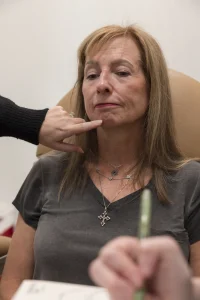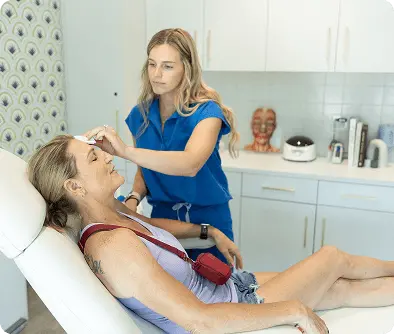
The aesthetic injectables industry is booming, and so is the number of training programs promising to make you a certified injector overnight. A quick online search reveals options ranging from $199 weekend webinars to $5,000 hands-on intensives. The temptation to grab the cheapest course is real, especially when budgets are tight. But here’s the truth no one talks about: the “cheapest” injector course and the “best” injector course are rarely the same thing, and choosing wrong can cost you far more than money. It can cost patient safety, your medical license, and your professional reputation.
If you’re a nurse, physician, physician assistant, or dentist exploring Botox and dermal filler training, this guide will help you understand exactly what separates a bargain-bin certification from a credential that actually launches your aesthetic career.
The Real Cost Spectrum of Injector Training
Let’s start with hard numbers. Injector training courses today generally fall into three pricing tiers:
Budget tier ($199–$700): Almost always 100% online, self-paced video modules with a digital certificate at the end. No live patient practice, no hands on supervision, and often no continuing education credits.
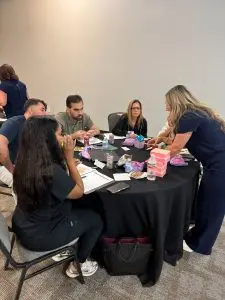
Mid tier ($1,200–$2,500): Hybrid programs that combine online didactic learning with a one- or two-day in-person workshop. These typically include hands-on practice with live models, CME credits, and a recognized certification.
Premium tier ($3,000–$6,000): Multi-day intensives, fellowship style programs, or boutique private mentorships with small class sizes (usually six students or fewer), extensive live patient work, and ongoing post-course support.
Each tier serves a purpose, but understanding what you actually get for the price is what separates a smart investment from a wasted one.
What the Cheapest Courses Actually Deliver
Online-only budget courses have a place in the market. They’re convenient, accessible, and can be a solid introduction to the pharmacology and indications of botulinum toxin. A well-structured online program will walk you through facial anatomy, neurotoxin mechanism of action, dosing guidelines for FDA-approved products like Botox, Dysport, Xeomin, Jeuveau, and Daxxify, and complication management protocols.
The problem isn’t the format, it’s what’s missing. Cheap courses generally skip:
- Live patient injection practice under expert supervision
- Real-time feedback on needle angle, depth, and product placement
- Exposure to varied facial anatomy across multiple patient types
- Hands-on training in managing complications like ptosis, bruising, or asymmetry
- Networking with established injectors who can mentor you afterward
For an injector who already has years of clinical experience and just needs a refresher or CME credits, a budget online course can work. For someone entering aesthetics for the first time, it almost never produces a hireable injector. Most medical spas, dermatology offices, and plastic surgery practices explicitly require hands-on training from a recognized program before they’ll consider you.
If you want a quality online foundation that doesn’t cut corners on the didactic side, an option like the best online Botox training gives you a structured curriculum you can complete at your own pace, ideal as the theory portion before an in-person workshop.
What the Best Courses Actually Deliver
Premium and well-designed mid-tier courses share several non-negotiable features. They follow the model recommended by experienced educators and aligned with FDA labeling and safety expectations:
Small class sizes. When you’re learning to inject, you need direct line-of-sight to the instructor and the patient. Programs with twenty or thirty students in a room don’t deliver real one-on-one feedback, no matter what the brochure says.
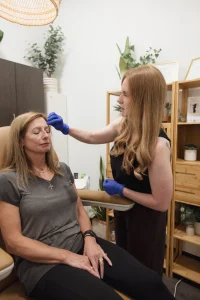
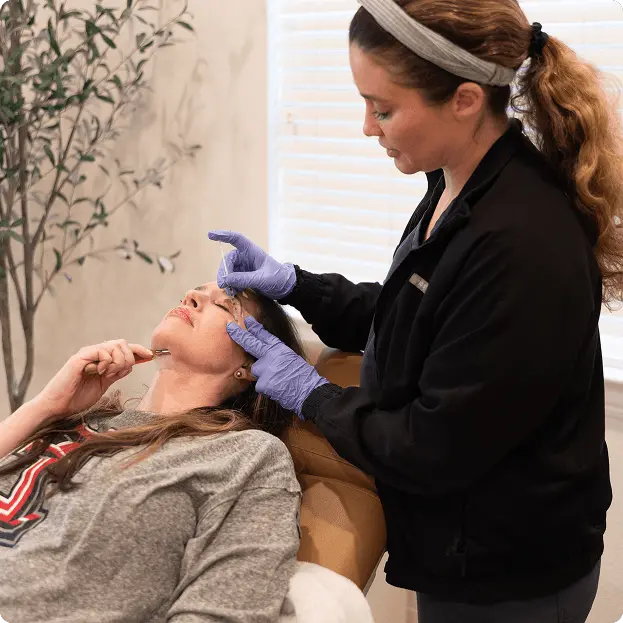
Live patient practice. Cadavers and silicone models are useful for anatomy, but injecting living tissue with real muscle movement, real blood vessels, and real patient feedback is irreplaceable.
Comprehensive anatomy training. The difference between a confident injector and a dangerous one is anatomical understanding. Premium courses spend significant time on facial muscles, neurovascular danger zones, and aging assessment.
CME accreditation. Look for programs accredited by recognized bodies such as the AMA, ACCME, ANCC, or AANP. This isn’t just a checkbox, it’s verification that the curriculum meets professional medical education standards.
Instructor credentials. Who is teaching you? Board-certified dermatologists, plastic surgeons, and experienced master injectors bring decades of clinical judgment. Inexpensive courses often use instructors with thin resumes.
Post-course support. The best programs don’t disappear after you leave. They offer mentorship, case discussion access, and continuing education updates as injection techniques and products evolve.
In Texas, this kind of comprehensive instruction is available at multiple locations. Hands-on programs in Dallas, Austin, Fort Worth, and Plano offer the small-class, live-patient model that produces job-ready injectors.
The Hidden Costs of Cheap Training
A $299 online course feels like a steal, until you tally the real costs of insufficient training.
Lost income. Medical spas and aesthetic practices typically pay certified injectors $80–$150 per hour, with experienced injectors earning $100,000–$150,000 annually. If your certification isn’t recognized by hiring managers, you’re sitting on the sidelines while properly trained peers are billing patients.
Liability exposure. Injecting neurotoxins improperly can cause ptosis, facial asymmetry, vascular occlusion, and in worst cases, blindness when fillers are involved. Inadequate training is a documented factor in adverse events reported to regulatory agencies, and your malpractice insurer will ask about your training credentials.
Wasted product. New injectors waste expensive product on bad technique. A single vial of Botox costs $400–$600 wholesale. Burning through inventory because you weren’t trained properly erodes margins fast.
Re-training costs. Many injectors who start with a cheap online course end up paying for a proper hands-on program anyway, after they realize they can’t get hired or feel unsafe treating patients. Now you’ve spent the cheap course money plus the premium course money.
How to Choose: A Practical Framework
Before you enroll in any program, ask these questions:
Will I inject real patients during training? If the answer is no, this is not adequate primary training for a new injector.
Who supervises the hands-on portion? You want board-certified physicians or master injectors with documented experience, not recent graduates of the same program.
What’s the student-to-instructor ratio? Aim for 6:1 or better during clinical practice.
Is the program CME-accredited? This matters for license renewal and credibility with employers.
Does the course cover all major neurotoxins? Botox, Dysport, Xeomin, Jeuveau, and Daxxify each have unique dilution and dosing characteristics.
What does post-course support look like? Email access to instructors, case review opportunities, and refresher options are signs of a serious program.
Are graduates actually working as injectors? Ask for references or LinkedIn profiles of recent alumni.
For Texas-based professionals, regional hands-on programs are available in Argyle, Colleyville, Waxahachie, and The Woodlands, allowing most providers to complete training without major travel costs.
The Hybrid Sweet Spot
The smartest approach for most new injectors isn’t choosing between cheap and expensive, it’s combining them strategically. Start with a structured online didactic course to build your theoretical foundation at your own pace. Then invest in an in-person hands-on intensive to develop actual injection skills with live patients under expert supervision.
This hybrid model gives you the best of both worlds: affordable, flexible theory learning plus the irreplaceable hands-on clinical practice that hiring managers actually require. You arrive at the in-person workshop already familiar with the concepts, which means you spend the in-person time injecting instead of listening to lectures.
Final Thoughts
The cheapest injector course will save you money today and likely cost you opportunities tomorrow. The best injector course will feel like a significant investment up front and pay for itself within weeks of starting your aesthetic practice. The difference comes down to whether you’re collecting certificates or building a career.
Aesthetic medicine rewards competence and punishes shortcuts. Patients trust you with their faces, employers trust you with their reputations, and your medical license depends on practicing within the standard of care. Choose training that takes all of that seriously, and the cost question answers itself.