
Due to popular demand by a lot of our students, we’re bringing our hands-on training to Houston.

Due to popular demand by a lot of our students, we’re bringing our hands-on training to Houston.
California doesn’t mandate specific training hours by statute, but don’t mistake this for leniency. The California Board of Registered Nursing, California Medical Board, and supervising physicians all expect documented competency before you perform procedures. In California’s litigious environment with strict malpractice standards, inadequate training creates massive liability exposure.
California’s regulatory approach puts responsibility on you, your supervising physician, and your employer to ensure proper education. The state’s position is clear: if you perform procedures without adequate training and patient harm results, both you and your supervising physician face disciplinary action, regardless of whether specific training hours were legally required.
This comprehensive guide explains California aesthetic injector training standards, what competency means under California law, certification requirements, and how to choose training that satisfies legal obligations and prepares you for California’s demanding aesthetic market.
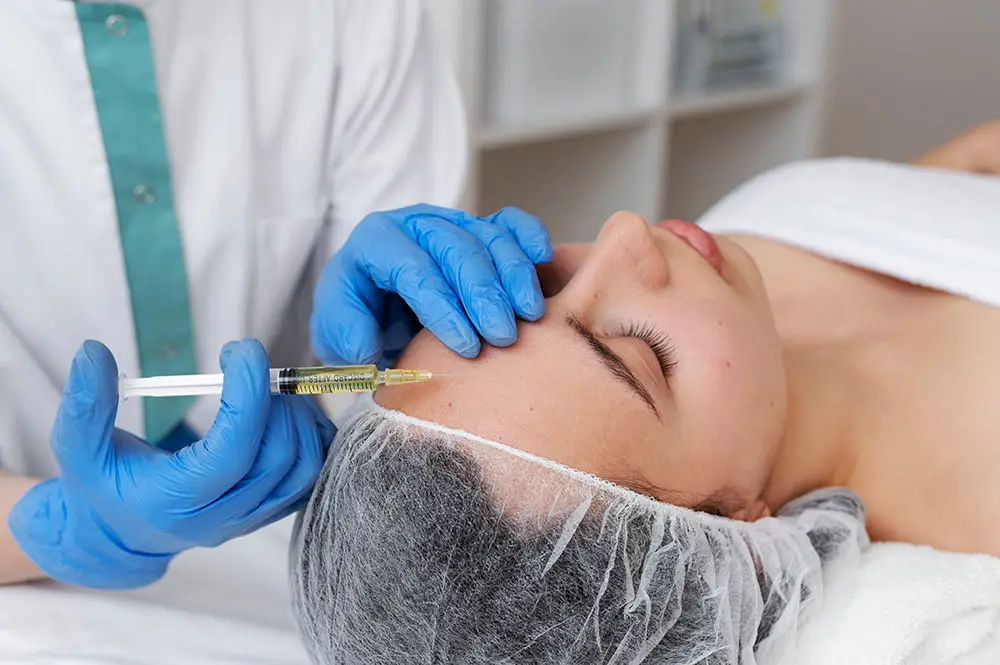
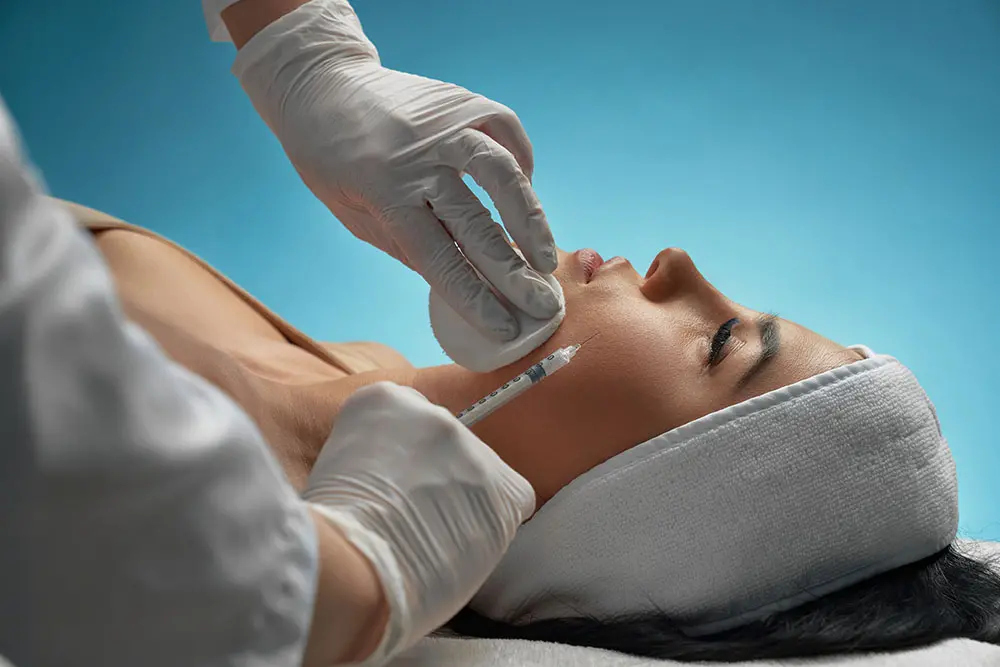
California takes a competency-based approach to aesthetic injector education rather than mandating specific minimum hours. This doesn’t make requirements less stringent—it actually places greater responsibility on practitioners and supervising physicians to ensure adequate preparation.
California Business and Professions Code doesn’t specify “RNs must complete X hours of Botox training.” Instead, California regulatory bodies address training through competency standards and professional practice expectations.
The Board expects nurses to be competent in procedures they perform. California BRN Rules & Regulations emphasize that RNs performing specialized procedures need appropriate education, training, and demonstrated skill before independent practice.
For aesthetic injections, California expects RNs to understand facial anatomy and vascular systems in detail, neurotoxin and filler pharmacology and mechanisms, injection techniques and depth considerations, patient assessment and contraindication screening, complication recognition and emergency management, and California-specific scope of practice limitations.
Completing a brief online course or single-day workshop doesn’t constitute adequate preparation under California standards. The BRN has disciplined nurses who performed procedures beyond their competency level, particularly when patient harm occurred.
Supervising physicians in California bear legal responsibility for ensuring delegated personnel have appropriate training. California Medical Board enforcement actions consistently hold physicians accountable when they delegate procedures to inadequately trained staff.
This creates dual accountability. Both the RN and supervising physician must ensure competency exists before injections begin.
Responsible California physicians thoroughly vet training credentials before allowing practice, may require additional supervised practice beyond initial certification, document competency assessment in personnel files, and provide ongoing oversight and continuing education.
California courts apply “standard of care” principles to determine whether practitioners acted appropriately. For aesthetic injectors, your training and competency are measured against what similarly qualified practitioners in California would reasonably possess.
If most experienced California injectors complete 20-30+ hours of comprehensive training including substantial hands-on practice, attempting to practice after an 8-hour course falls below standard of care. This exposes you to malpractice liability and professional discipline if complications arise.
California’s malpractice environment intensifies training expectations. With average malpractice settlements significantly higher than most states, insurance companies scrutinize training credentials carefully. Inadequate training documentation can result in coverage denials if complications occur.
California juries and regulatory boards don’t accept “but training wasn’t legally required” as defense for practicing incompetently. The expectation is that you’ll obtain training necessary to perform procedures safely, regardless of minimum statutory requirements.
While California doesn’t mandate specific curriculum by statute, professional standards and regulatory expectations define what comprehensive aesthetic training must include.
Core Didactic Education Requirements
Quality training programs provide theoretical foundation before hands-on practice. For California injectors, essential didactic content includes:
This is absolutely critical in California where malpractice claims for vascular complications can exceed $1 million. Training must detail facial arterial supply (supratrochlear, supraorbital, dorsal nasal, angular, lateral nasal, infraorbital arteries), venous drainage patterns and clinical significance, high-risk zones for vascular occlusion (glabella, nasal areas, nasolabial folds, forehead), signs of arterial vs. venous compromise, and emergency response protocols specific to vascular events.
California patients and attorneys are highly educated about injection risks. You must know more than your patients do about potential complications.
California practices commonly stock multiple neurotoxin brands due to patient preferences and product availability. Comprehensive training addresses Botox (onabotulinumtoxinA) including Allergan protocols, Dysport (abobotulinumtoxinA) with unit conversion understanding, Xeomin (incobotulinumtoxinA) and unique formulation characteristics, and Jeuveau (prabotulinumtoxinA) as emerging option in California market.
Training must cover mechanism of action at neuromuscular junction, reconstitution protocols maintaining sterility, appropriate dosing for different anatomical areas, onset, peak effect, and duration expectations, contraindications including neuromuscular disorders, and off-label uses common in California aesthetic practices.
California’s sophisticated aesthetic market demands deep product knowledge. Training should explain hyaluronic acid chemistry and cross-linking technology, rheological properties (G-prime, cohesivity, elasticity) affecting product behavior, differences between filler brands and appropriate uses, biostimulator mechanisms (Sculptra, Radiesse), and how to match products to specific treatment goals.
California patients often research products extensively before appointments. You need expertise to educate patients and justify product recommendations.
California’s informed consent standards are exceptionally rigorous. Training must include comprehensive facial analysis techniques, identifying realistic vs. unrealistic patient expectations, psychological screening for body dysmorphia, contraindication identification (pregnancy, infections, autoimmune conditions, medication interactions), and California-specific informed consent requirements.
California courts hold practitioners to high standards for informed consent. Patients must understand risks, alternatives, and limitations. Inadequate consultation and consent documentation is common basis for California malpractice claims.
This is where California training becomes absolutely critical. Every injector must master vascular occlusion recognition (blanching, pain, color changes) and immediate hyaluronidase administration, when to activate emergency medical services, documentation requirements for adverse events, anaphylaxis identification and epinephrine administration, infection prevention and management, and managing other complications (Tyndall effect, nodules, asymmetry).
California Medical Board disciplinary actions frequently cite inadequate emergency preparedness. Training in complication management isn’t supplementary—it’s essential for safe California practice.
California injectors should complete at least 25-40 supervised injections during initial training—more than many other states recommend. This must encompass neurotoxin injections in multiple facial areas (glabella, forehead, crow’s feet, masseters, lip flip, brow lift), dermal filler placement in various zones (lips, nasolabial folds, marionette lines, cheeks, chin), both needle and cannula techniques, and diverse patient types (various ages, ethnicities, facial structures).
California’s diverse population requires experience with different facial anatomies. Training only on similar patient types leaves you unprepared for California’s multicultural aesthetic market.
Hands-on training means experienced instructors directly observe your work. Effective supervision includes direct observation of hand positioning, stabilization, and ergonomics, evaluation of needle angle, depth, and injection speed, assessment of aspiration technique for fillers, immediate real-time feedback and correction, and verification of patient communication and informed consent process.
One-on-one supervision ratios ensure you receive individualized attention. Programs with 15-20 students per instructor cannot provide adequate supervision for skill development.
Quality programs structure hands-on practice progressively, beginning with basic neurotoxin techniques in lower-risk areas, advancing to more complex muscle groups and higher-risk zones, introducing filler techniques starting with forgiving areas, gradually progressing to challenging applications, and including complication scenarios and management practice.
California’s malpractice environment means you cannot afford to learn through trial and error on paying patients. Initial training must provide sufficient practice to develop genuine competency.
Your training must explicitly cover what RNs can legally perform vs. NP authority, direct supervision requirements for RN injectors, standardized procedure requirements for NPs, and recognizing absolute scope boundaries under California law.
Many California enforcement actions stem from practitioners exceeding their legal scope. Understanding these boundaries protects your license.
Training should explain how this doctrine affects practice structures, legal vs. illegal ownership models for aesthetic practices, why nurse-owned medical spas face enforcement, Management Services Organization (MSO) structures, and avoiding corporate practice violations.
California’s corporate practice doctrine is one of the strictest in the nation. Understanding it prevents costly legal problems.
Comprehensive training addresses where to find current California regulations, how to request advisory opinions from regulatory boards, staying compliant with California’s evolving requirements, and understanding current enforcement priorities.
California regulations change. Your training should teach you how to stay informed about updates.
Training must cover California’s rigorous documentation requirements, what must be disclosed to patients, battery tort implications of exceeding consent, managing patient expectations legally, and proper consent documentation.
California malpractice claims frequently involve informed consent failures. Proper training prevents these costly mistakes.
Before allowing you to practice, responsible California physicians will review your training certificates for completeness, verify training provider legitimacy and instructor credentials, confirm hands-on practice hours and supervised injections, potentially contact training programs to verify participation, assess whether training meets California competency standards, and document their verification process in personnel files.
If your training documentation doesn’t withstand this scrutiny, you may be denied permission to practice.
California practice requires maintaining records of initial certification training, continuing education courses completed, manufacturer product training attended, emergency protocol drills and updates, competency assessments by supervising physician, and any additional advanced training.
These records demonstrate ongoing competency maintenance if your practice is ever questioned.
At the Injector Training Academy, we recognize California’s unique regulatory landscape requires specialized preparation. While based in Texas, our comprehensive training approach addresses the rigorous standards California injectors face, emphasizing advanced anatomical education, extensive emergency protocol training, substantial hands-on practice, and understanding of California-specific legal requirements.
California offers incredible opportunities for skilled aesthetic injectors. The state’s large, affluent population and high aesthetic procedure demand create strong career prospects. But success requires thorough preparation through quality training that exceeds minimum standards.

Start or advance your career with hands on training, expert instructors, and nationally recognized certification paths.