If you’re a nurse looking for a more flexible, creative, and high-paying career path, becoming a nurse injector may be the perfect next step. This guide covers everything you need to know about how to become a nurse injector, including required training, earning potential, daily responsibilities, and how this role differs from other aesthetic nursing careers.
Whether you’re an RN, NP, PA, or an aspiring injector searching for how to become an aesthetic nurse or how to become a cosmetic nurse, this step-by-step guide will help you launch a successful and fulfilling career in medical aesthetics.
What Is a Nurse Injector?
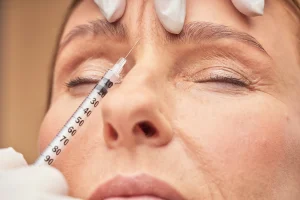
A nurse injector is a licensed medical professional—typically an RN, NP, or PA—who specializes in administering cosmetic injections such as:
- Botox and neuromodulators
- Dermal fillers
- PRP injections
- Kybella/fat-dissolving injectables
- Biostimulators (Sculptra, Radiesse)
- Skin boosters
Nurse injectors work directly with patients to perform aesthetic assessments, plan treatment strategies, administer injections safely, and monitor results.
Nurse Injector vs. Aesthetic Nurse—What’s the Difference?
Although the terms are often used interchangeably, there are distinctions:
Nurse Injector
- Specializes primarily in injectables
- Requires formal nurse injector training
- Works hands-on with neuromodulators and fillers
Aesthetic Nurse
- Broader role within an aesthetic clinic
- May perform lasers, microneedling, skincare treatments, and consultations
- Typically educates patients on skincare and treatment plans
Both positions fall under nursing jobs in the cosmetic industry, but nurse injectors focus more heavily on clinical injection procedures.
Qualifications You Need to Become a Nurse Injector
To perform injectables, you must hold an approved medical license based on your state’s regulations. For most states, the minimum requirement is:
- Registered Nurse (RN)
- Nurse Practitioner (NP)
- Physician Assistant (PA)
- Physician (MD/DO)
Aesthetic injectors must also complete aesthetic nurse education and Botox and filler training certification, usually through accredited, hands-on aesthetic nursing programs like the Texas Academy of Medical Aesthetics (TAMA).
Training & Certifications Needed
Once you are licensed as an RN, NP, PA, or physician, the next step is obtaining formal medical aesthetics training. Because injectables involve precision, anatomy, and safety considerations, proper certification is essential.
✔ Botox and Dermal Filler Certification
This is the foundational requirement for becoming a nurse injector. A high-quality certification course will cover:
- Facial muscle anatomy
- Neuromodulator science (Botox, Dysport, Xeomin, DAXXIFY)
- Filler rheology and product selection
- Injection depth, angles, and landmark mapping
- Safety protocols and complication prevention
✔ Hands-On Training Requirements
Hands-on training is the single most important part of injector education. Many medical boards do not consider online-only courses compliant because:
- Online training cannot assess technique
- Students cannot practice needle control
- Complication management cannot be tested virtually
Live patient training ensures you gain real injection experience, understand dosing, and build confidence before treating clients professionally.
✔ Continuing Education Units (CEUs)
Many states require CEUs for nurses to maintain their license. Fortunately, CEU-accredited injector courses count toward your license renewal.
TAMA’s injector programs include CEU credits to support both licensure and career growth.
✔ Medical Director Requirements (State-Dependent)
Some states require RNs to inject under the supervision or delegation of a physician, nurse practitioner, or physician assistant.
If you plan to open your own med spa, you’ll often need:
- A collaborative agreement
- A supervising physician
- Proper chart review procedures
- Written treatment protocols
These vary by state, so it’s critical to understand your local laws.
✔ Delegation Laws by State
Some states allow RNs to administer injections with minimal supervision, while others require on-site physician supervision. Some limit injectables to NPs, PAs, or MDs only.
Do You Need Certification to Inject Botox?
Yes. Nearly all states require:
- A current RN/NP/PA license
- Botox and dermal filler certification
- Supervising physician agreement (varies by state)
- State-compliant injection training
This ensures patient safety and legal compliance.
How Long Does It Take to Become a Nurse Injector?
Your total timeline depends on your current credentials.
1. If You Are Becoming a Nurse First
- ADN Program: 2 years
- BSN Program: 4 years
- NCLEX exam: Varies
2. Injector Training Time
Once licensed, you can complete injector training in just 1–2 days. Advanced and internship programs may last several weeks and offer deeper clinical experience.
3. Becoming Fully Confident & Hire-Ready
With an internship or mentorship, most new injectors build confidence in 4–12 weeks.
If you’re searching for how to become a nurse injector online, keep in mind that online courses alone are not enough. You must complete hands-on, in-person clinical training to inject patients legally.
Step-by-Step: How to Become a Nurse Injector
Here is a complete roadmap to becoming a successful aesthetic injector.
Step 1: Earn Your Nursing License (RN, NP, or PA)
Depending on your path, complete a recognized nursing program:
- Associate Degree in Nursing (ADN)
- Bachelor of Science in Nursing (BSN)
- Nurse Practitioner (NP) program
- Physician Assistant (PA) program
If you’re wondering how to become an aesthetic nurse practitioner or an aesthetic PA, such advanced roles may require graduate-level education.
Step 2: Get Clinical Experience (Optional but Helpful)
Hospital or clinical experience helps with:
- Anatomy knowledge
- Patient communication
- Understanding contraindications
- EMR and charting skills
This is not mandatory, but many injectors start with at least 1 year of bedside experience.
Step 3: Complete Nurse Injector Training
This is the most critical step. Aesthetic injections require:
- Advanced facial anatomy
- Safety protocols
- Hands-on practice
- Live model injections
Look for aesthetic nursing programs that include:
- Botox and filler certification
- CEU credits
- State-compliant curriculum
- Supervised hands-on injection practice
- Small class sizes
- Instructors who actively work in aesthetics
At TAMA, all nurse injector training includes live model practice, not just observation.
Step 4: Take Advanced Injector Courses
To become competitive in your market, consider training in:
- Lips & advanced filler
- Jawline sculpting
- Tear troughs
- Biostimulators (Sculptra/Radiesse)
- PRP/PRF
- Kybella
- Threads
- Cosmetic dermatology basics
The more procedures you master, the more valuable you become.
Step 5: Complete an Injector Internship or Mentorship Program
This step bridges the gap between training and real-world confidence.
A good internship includes:
- Repetitive practice
- Real patient scenarios
- Supervised injections
- Treatment planning
- Safety assessments
- Complication management
TAMA’s internship programs are designed for nurses seeking hands-on experience before applying for injector jobs.
Step 6: Understand Your State’s Injection Regulations
Each state has its own rules regarding Delegation, Supervision, Medical director requirements, and Scope of practice. Being compliant protects your license and your future career.
Step 7: Apply for Nurse Injector Jobs
Nurse injectors can work in:
- Med spas
- Plastic surgery clinics
- Dermatology practices
- Wellness and hormone clinics
- Oral and maxillofacial offices
- Luxury concierge aesthetic practices
- Mobile medical spas (state permitting)
The demand for aesthetic injectors continues to rise nationwide, making this a secure, high-growth career path.
What Procedures Can Nurse Injectors Perform?
This varies by state and training but commonly includes:
- Botox/neurotoxin injections
- Dermal fillers
- PRP/PRF injections
- IV vitamin drips
- Collagen stimulators
- Kybella/fat-dissolving injectables
- Microneedling with PRP
- Laser procedures (in many states)
- Skin boosters
- Non-surgical facial contouring
How Much Do Nurse Injectors Earn? (Aesthetic Nurse Salary Guide)
Average Nurse Injector Salary (U.S.)
Most nurse injectors earn between $75,000 and $140,000 per year.
Highly skilled injectors in busy markets often exceed $150,000–$250,000+ annually.
This makes aesthetic nursing one of the most lucrative non-hospital nursing paths.
Factors That Influence Salary
- Location: Aesthetic practices located in highly populated urban areas can charge much higher prices for their services than those in smaller rural communities
- Experience
- Specialties (e.g., lips, jawline, biostimulators)
- Business ownership
- Full-time vs. part-time
- Commission or hourly structure
Because injectables have high profit margins, many injectors earn more than bedside RNs with fewer hours and less stress.
Takeaway
Becoming a nurse injector is one of the most rewarding and profitable career paths in modern healthcare, offering flexibility, creativity, and high earning potential. But your success depends on one thing: high-quality training.
At the Texas Academy of Medical Aesthetics, you’ll receive hands-on live model injector training, state-compliant Botox & filler certification, and CEU-eligible courses for nurses. You could also take advanced and master-level injector programs, real-world injector internships, and business creation coaching and mentorship from TAMA.
Whether you’re looking for how to become a nurse injector or how to launch a full aesthetic practice, TAMA gives you every tool you need.
Contact us today to get started.
FAQs
What qualifications do you need to do Botox?
You must be a licensed medical professional (RN, NP, PA, or MD) and complete a state-approved Botox and filler certification course.
Can I learn how to become a nurse injector online?
You can complete theory portions online, but hands-on clinical training is required to legally and safely inject Botox or fillers.
How long does it take to become a nurse injector?
If you are already a nurse, you can become a certified injector in 1–2 days, with additional experience gained through internships or advanced courses.
How long does it take to become a Botox injector?
As little as 1–2 days, if you’re already an RN/NP/PA.
What procedures can nurse injectors perform?
Neurotoxins, dermal fillers, PRP, Kybella, threads (in some states), skin boosters, and more, depending on training and state laws.
Where can nurse injectors work?
Med spas, dermatology offices, plastic surgery clinics, wellness centers, and concierge/mobile aesthetic practices.
How much does a nurse injector earn?
The average nurse injector salary ranges from $75k to $140k, with experienced injectors earning over $200k.
How do I become an aesthetic nurse practitioner?
Complete NP school, obtain your license, and enroll in advanced injector training and aesthetic certification programs.