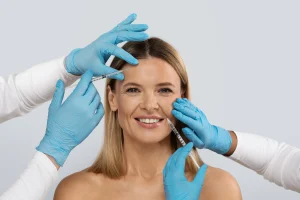
Neuromodulator injectables are a cornerstone of modern aesthetic medicine, and few comparisons are as common or as misunderstood as Xeomin® vs Botox®. For injectors, understanding the difference between Botox® and Xeomin® goes beyond brand recognition. It directly affects treatment planning, patient education, dosing strategy, and long-term outcomes.
While both products are FDA-approved and widely used to reduce wrinkles and fine lines, they are not identical. Understanding how these injectables compare, where they overlap, and where subtle differences exist helps injectors make informed and confident decisions for each patient.
This guide explains everything you need to know about Xeomin and Botox®, including formulation, clinical behavior, safety, longevity, and how to choose the right injectable for different aesthetic goals.
What Is Xeomin®?
Xeomin® is an injectable neuromodulator made from botulinum toxin type A and is used in both cosmetic and medical treatments. Like other neuromodulators, Xeomin works by temporarily blocking nerve signals that trigger muscle contractions. When targeted muscles relax, dynamic wrinkles caused by repetitive facial movement gradually soften.
What distinguishes Xeomin is its formulation. Xeomin is a purified form of botulinum toxin that does not contain accessory proteins. This characteristic is frequently discussed when injectors compare Xeomin vs Botox, particularly in long-term treatment planning.
Xeomin is FDA-approved for cosmetic use, including the treatment of glabellar frown lines, and has demonstrated consistent and predictable results when administered by experienced injectors.
What Is Botox®?
Botox® is the original neuromodulator and remains one of the most recognized injectable brands worldwide. Botox is composed of botulinum toxin type A combined with accessory proteins that stabilize the active neurotoxin.
Botox treatments are FDA-approved for numerous cosmetic and medical indications, including wrinkle reduction, muscle spasticity, chronic migraine, and excessive sweating. Because Botox was the first neuromodulator to gain widespread approval, many patients use the term “Botox” to describe neuromodulator injections in general, even when receiving other products.
From an injector standpoint, Botox offers extensive clinical data, long-standing safety documentation, and high patient familiarity.
Xeomin® vs Botox®: Understanding the Core Differences
When comparing Xeomin vs Botox, it is important to recognize that both products share the same active ingredient while differing in formulation.
Both Xeomin and Botox use botulinum toxin type A, reduce muscle contractions, treat dynamic wrinkles such as frown lines and crow’s feet, and are FDA-approved and considered safe when administered correctly.
The key difference between Botox and Xeomin lies in their formulation, specifically the presence or absence of accessory proteins.
Formulation and Active Ingredient
The active ingredient in both Botox and Xeomin is botulinum toxin type A. The difference lies in how the neurotoxin is prepared and delivered.
Botox contains accessory proteins that surround the botulinum toxin molecule. These proteins are part of the original formulation and contribute to product stability.
Xeomin is purified to remove these accessory proteins. Xeomin does not contain complexing proteins, which is why it is often referred to as a purified or naked neurotoxin.
From a clinical perspective, both formulations are effective for cosmetic treatments. The distinction becomes more relevant when evaluating long-term use and individual patient response.
Accessory Proteins and Antibody Considerations
One of the most discussed topics when comparing Botox vs Xeomin is antibody development.
In rare cases, patients may develop neutralizing antibodies that reduce the effectiveness of botulinum toxin treatments. Some evidence suggests that accessory proteins may play a role in this process, although true resistance remains uncommon in aesthetic practice.
Because Xeomin contains fewer proteins, it may be considered for patients who receive frequent neuromodulator injections, patients who have shown reduced response to other products, or long-term treatment plans where minimizing protein exposure is a consideration.
It is important to communicate during consultation that resistance is rare and that injector technique, dosing accuracy, and facial anatomy have a greater influence on treatment success.
How Botox and Xeomin Work in the Body
Despite formulation differences, Botox and Xeomin work through the same biological mechanism.
After injection, botulinum toxin blocks the release of acetylcholine at the neuromuscular junction. This prevents nerve signals from reaching the muscle, resulting in temporary muscle relaxation.
As muscle contractions decrease, dynamic wrinkles soften, skin appears smoother, and fine lines become less visible. Both products act locally at the injection site and do not affect surrounding muscles when administered properly.
Injection Technique and Unit Dosing
From a practical injector perspective, Xeomin and Botox units are generally considered equivalent in cosmetic use.
Injection technique, placement, depth, and anatomical knowledge remain consistent across both products. The number of units needed depends on muscle strength, wrinkle severity, treatment area, and the patient’s aesthetic goals.
Experienced injectors can transition between Botox and Xeomin without major adjustments to technique, provided they understand product behavior and patient response.
Treatment Areas and Cosmetic Uses
Both Botox and Xeomin are commonly used to reduce wrinkles and improve facial balance.
Typical treatment areas include glabellar frown lines, forehead wrinkles, crow’s feet, and other dynamic wrinkles caused by repetitive muscle movement.
When injected correctly, both products allow patients to maintain natural facial expressions while reducing excessive muscle activity that contributes to visible aging.
Onset of Action and Results Timeline
Patients often ask how quickly results appear when choosing between Xeomin or Botox.
For both injectables, initial effects may begin within a few days, with continued improvement over one to two weeks. Full results are typically visible by day fourteen.
Although anecdotal differences in onset are sometimes reported, clinical data show similar timelines overall.
How Long Do Results Last?
Longevity is a frequent discussion point in Xeomin vs Botox comparisons.
On average, results last approximately three to four months. Duration varies depending on metabolism, dosage, muscle activity, injection technique, and treatment area. Regular treatments help maintain consistent results over time.
Technique and dosing consistency have a greater impact on longevity than product selection alone.
Is Xeomin Safe?
A common injector and patient question is whether Xeomin is safe.
Xeomin is FDA-approved and considered safe and effective when administered by trained and qualified injectors. Its safety profile is comparable to Botox.
Safe outcomes depend on proper injector training, strong anatomical knowledge, appropriate patient selection, and accurate dosing. When best practices are followed, adverse effects are uncommon.
Is Xeomin Better Than Botox?
There is no universal answer to whether Xeomin is better than Botox.
Botox is the original neuromodulator with extensive clinical data and high patient recognition. Xeomin’s purified formulation may be preferred in certain long-term treatment plans or in patients with reduced response to other neuromodulators.
The goal is not to choose one product universally, but to select the right injectable based on the individual patient.
Botox Alternative Brands and the Role of Xeomin
Xeomin is often discussed among Botox alternative brands, but it is not a generic substitute. It is a distinct FDA-approved injectable with specific formulation characteristics.
Offering both Botox and Xeomin allows injectors to customize treatment plans, address individual patient responses, and expand neuromodulator options responsibly.
Consultation and Treatment Planning
A thorough Botox or Xeomin consultation is essential before treatment.
During consultation, injectors should evaluate facial anatomy and muscle movement, wrinkle patterns and severity, prior neuromodulator history, medical conditions, contraindications, and patient expectations.
Clear education helps patients understand the difference between Botox and Xeomin and supports informed consent.
Choosing the Right Injectable
When deciding between Botox or Xeomin, injectors should prioritize clinical suitability rather than brand preference.
Both products are FDA-approved, safe, effective, and capable of reducing wrinkles and fine lines when used by experienced injectors. Understanding the differences between these two neuromodulators supports better outcomes and patient satisfaction.
Learn Xeomin and Botox the Right Way
Understanding the differences between Xeomin® and Botox® is important, but achieving safe, consistent results requires proper training, anatomical knowledge, and hands-on experience. Product selection, dosing strategy, and injection technique all play a role in delivering natural-looking outcomes.
At Texas Academy of Medical Aesthetics, neuromodulator training is designed for licensed professionals and aspiring injectors who want a strong foundation in injectable treatments. Programs focus on facial anatomy, injection techniques, and the responsible use of FDA-approved neuromodulators, including both Botox® and Xeomin®.
If you are new to injectables or looking to refine your neuromodulator skills, structured education helps you choose the right treatment with confidence. Contact Texas Academy of Medical Aesthetics to learn more about injector training and certification programs.
Frequently Asked Questions
Is Xeomin Botox?
No. Xeomin is not Botox, although both use botulinum toxin type A. Xeomin does not contain accessory proteins, while Botox does.
What is the main difference between Botox and Xeomin?
The primary difference is formulation. Botox contains accessory proteins, while Xeomin is a purified neurotoxin without those proteins.
Is Xeomin safe for cosmetic injections?
Yes. Xeomin is FDA-approved and considered safe when administered by a trained injector.
Does Xeomin last as long as Botox?
Results typically last three to four months for both products, depending on individual factors and treatment technique.
How do I choose between Botox or Xeomin?
The choice depends on patient response, treatment history, aesthetic goals, and injector expertise. Both products can deliver excellent results.