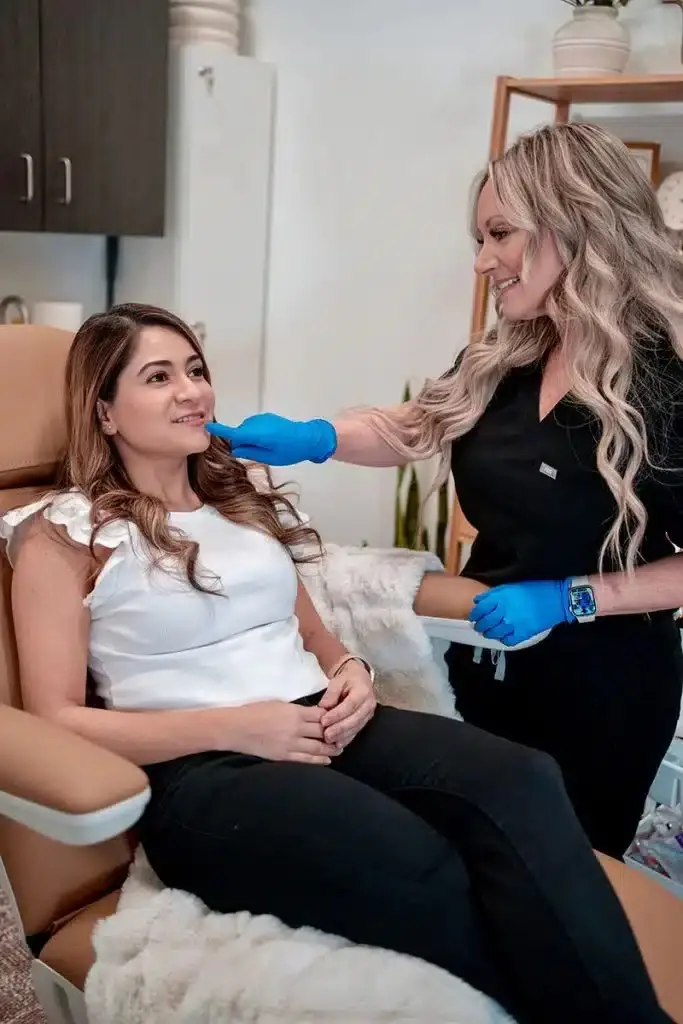
Once you’ve trained as an injector, the next big decision is where to work. In Texas, most aesthetic injectors work in one of three settings: a medical spa, a dermatology practice or a plastic surgery practice. Each one offers a different mix of mentorship, patient types, pace and opportunity for new injectors.
This guide compares all three so you can decide where to start your career.
Option 1: Medical Spa
Med spas focus on non-surgical aesthetic treatments: neurotoxin, filler, skin treatments, lasers and wellness services. They are the most common setting for nurse injectors in Texas.
What it’s like:
- Treatments are almost all elective and cosmetic.
- Schedules are often busy, with many neurotoxin and filler appointments.
- Injectors may have a lot of independence, under a supervising physician who may not be on site every day.
- Patient relationships are long-term, with repeat visits every few months.
Pros for new injectors:
- Many clinics hire new injectors and train them in-house.
- Lots of hands-on injecting, which builds skill quickly.
- Room to grow into lead injector or management roles.
Watch out for:
- Quality of supervision varies widely. Ask who the medical director is and how available they are.
- Some clinics expect you to bring in your own patients or help with marketing.
Option 2: Dermatology Practice
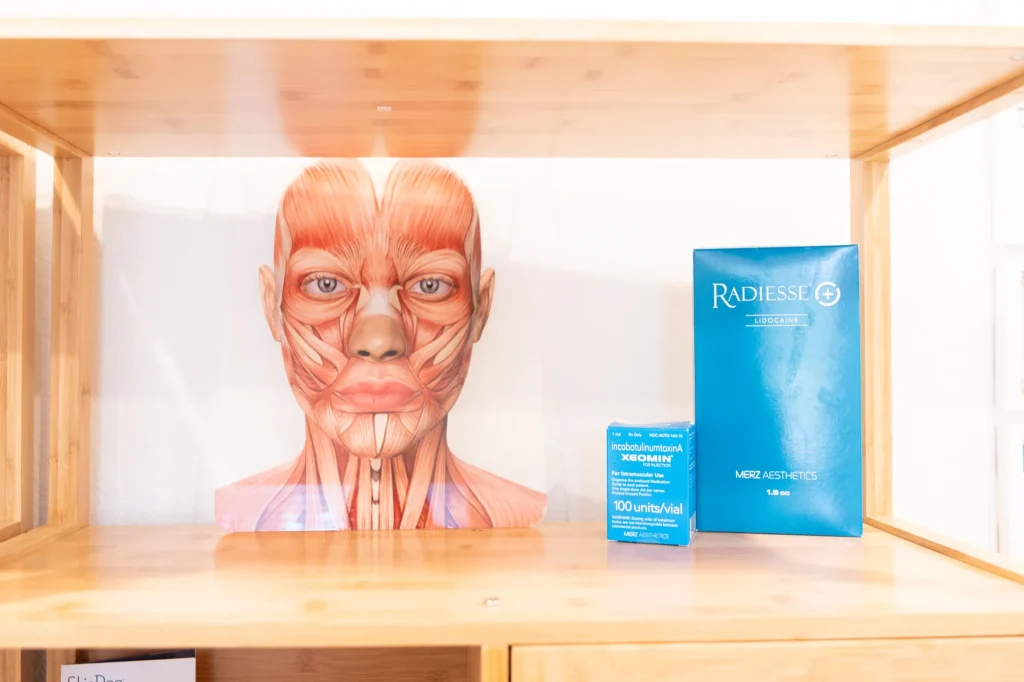
Dermatology practices treat medical skin conditions, and many also have a cosmetic side. Nurse injectors usually work within the cosmetic team, alongside dermatologists, PAs and aestheticians.
What it’s like:
- A mix of medical and cosmetic patients.
- Physicians are usually on site, so help and second opinions are close by.
- Strong focus on skin health, sun damage and skin cancer awareness.
- Treatments may include neurotoxin, filler, chemical peels, lasers and medical-grade skincare.
Pros for new injectors:
- Close physician oversight and day-to-day learning.
- Deep exposure to skin assessment, which makes you a better injector.
- An established patient base, so you may not need to build your own following.
Watch out for:
- Fewer injector openings, and some practices prefer experienced injectors.
- Physicians or PAs may handle much of the injecting, leaving fewer appointments for nurses at first.
Option 3: Plastic Surgery Practice
Plastic surgery practices offer surgical procedures such as facelifts, eyelid surgery and breast surgery. Many also have non-surgical aesthetic services, where nurse injectors work.
What it’s like:
- Patients may be considering surgery, recovering from surgery or looking for non-surgical alternatives.
- Injectors work closely with surgeons who have deep knowledge of facial anatomy.
- Practices are often high-end, with a strong focus on patient experience.
Pros for new injectors:
- Excellent anatomy learning from surgeons.
- A good fit for OR and perioperative nurses who already know surgical workflows.
- Exposure to combined surgical and non-surgical treatment plans.
Watch out for:
- Openings for new injectors can be competitive.
- Some roles mix injecting with surgical nursing, consults or post-op care.
Side-by-Side Comparison
| Med Spa | Dermatology | Plastic Surgery | |
| Main focus | Non-surgical aesthetics | Medical and cosmetic skin | Surgical and non-surgical |
| Physician on site | Varies | Usually | Usually |
| Injection volume for nurses | Often high | Varies | Varies |
| Hiring new injectors | Most common | Less common | Competitive |
| Best for | Building reps fast | Learning skin assessment | Learning anatomy from surgeons |
Which Setting Fits You?
Think about your background and what you need most right now:
- You want hands-on reps quickly: a med spa with strong supervision.
- You want close mentorship and a medical foundation: a dermatology practice.
- You come from the OR or love anatomy: a plastic surgery practice.
- You’re not sure yet: shadow in more than one setting before you apply.
There’s no wrong first step. Many injectors start in a med spa, build experience, then move into dermatology or plastic surgery, or the other way around.
Other Settings Worth Knowing About
The three main settings aren’t the only options. As you gain experience, you may also find injector roles in:
- Facial plastic or oculoplastic practices, which focus on the face and eyes.
- Family medicine or OB-GYN practices that have added aesthetic services.
- Dental practices, where some dentists offer neurotoxin and filler.
- Men’s health and urology clinics, which offer specialty injections.
- Wellness clinics that combine aesthetics with IV therapy or weight management.
These settings can be a good fit, but they vary even more than med spas in how much aesthetic mentorship they offer. Ask the same supervision questions you would ask anywhere else.
How to Test a Setting Before You Commit
Shadowing is the easiest way to compare settings. Spend a day in a med spa and, if possible, a day in a dermatology or plastic surgery practice. Notice who does the injecting, how long appointments run, how often the physician is in the room and how new staff are treated. One or two days of watching will tell you more than any job post.
Questions to Ask Any Employer
Wherever you apply, ask:
- Who supervises injectors, and how often are they on site?
- Are standing orders and protocols in place for each treatment?
- How are new injectors trained and introduced to patients?
- How are complications handled?
- Does the practice’s malpractice policy cover me?
Supervision Rules Apply Everywhere
In every setting, Texas RNs inject under physician delegation with a supervising physician and standing orders. Licensing questions go to the Texas Board of Nursing, and delegation rules are set by the Texas Medical Board. A clinic that can’t explain its supervision clearly is not a safe place to start.
How to Get Ready for Any Setting
Employers in all three settings look for the same foundation: an active license, structured training and documented hands-on experience. At Injector Training Academy, both programs are one-on-one:
- Injector Certification Program: online course plus a one-on-one hands-on day with 3 neurotoxin and 3 filler models.
- Aesthetic Injector Internship: 12 weeks, 80+ hours, 6 neurotoxin and 6 filler models, unlimited shadowing at all nine locations, plus resume and job help. It doesn’t guarantee a job, but it gives you real clinic exposure before you choose a setting.
Start with our self-paced online Botox training course, then book hands-on training in Dallas, Fort Worth, Plano, Colleyville, Argyle, Waxahachie, Austin or The Woodlands.
Specialty training can also open doors in other settings. Urology and men’s health clinics, for example, look for providers with skills such as those taught in our penile injections training course. To see the full range of roles, read our guide to med spa positions.
Frequently Asked Questions
Where do most new nurse injectors start in Texas?
Most start in med spas, which hire and train new injectors more often than dermatology or plastic surgery practices.
Is dermatology or plastic surgery better for learning?
Both offer close physician oversight. Dermatology builds skin assessment skills, while plastic surgery builds deep anatomy knowledge from surgeons.
Can I move from a med spa to a dermatology or plastic surgery practice later?
Yes. Experience, a strong portfolio and advanced training make it easier to move between settings.
Your Next Step
Shadow, ask questions and choose the setting that gives you the best supervision and the most learning. The right first job is the one that helps you become a safe, confident injector.
Written by Kiara DeWitt, BSN, RN, CPN, Founder, President and Faculty Instructor at Injector Training Academy.
Disclaimer
Medical Disclaimer: The content on this page is for general educational and informational purposes only. It is intended for licensed healthcare professionals and is not medical, legal or financial advice. It is not a substitute for professional clinical judgment, and it is not meant for patients to use when making treatment decisions. Aesthetic procedures, including neurotoxin, dermal filler, PRP and PDO thread treatments, carry risks and must be performed only by appropriately licensed professionals within their scope of practice and under the medical supervision required in their state. Scope of practice, delegation and supervision rules vary by state and change over time, so confirm current requirements with your state licensing board, such as the Texas Board of Nursing or Texas Medical Board. Completing a training course or receiving a Certificate of Completion does not grant a license or expand your legal scope of practice, and it does not guarantee employment, income or specific clinical results. Links to outside websites are provided for reference only and do not imply endorsement. Information is accurate to the best of our knowledge at the time of publishing.