Platelet-rich plasma education
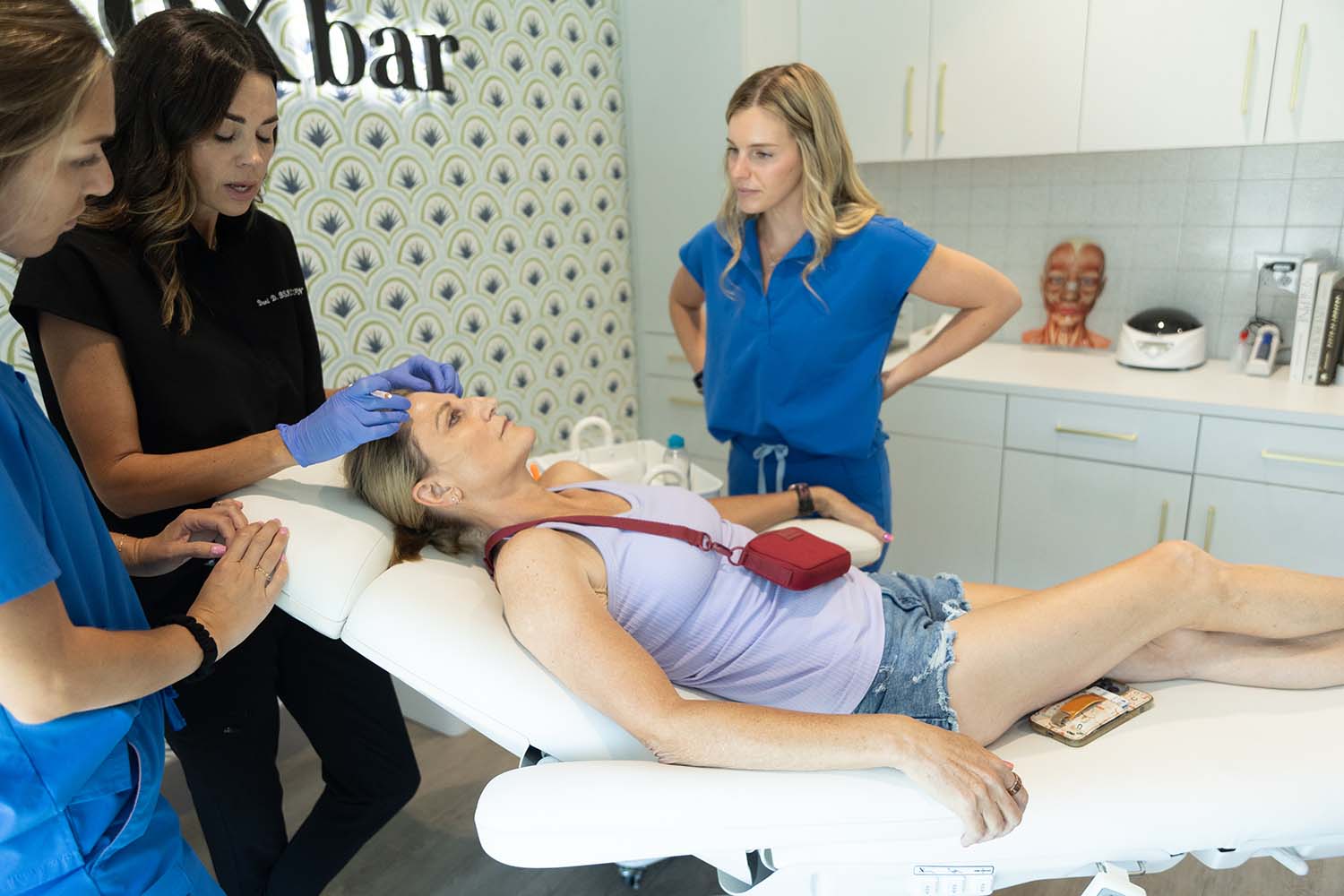
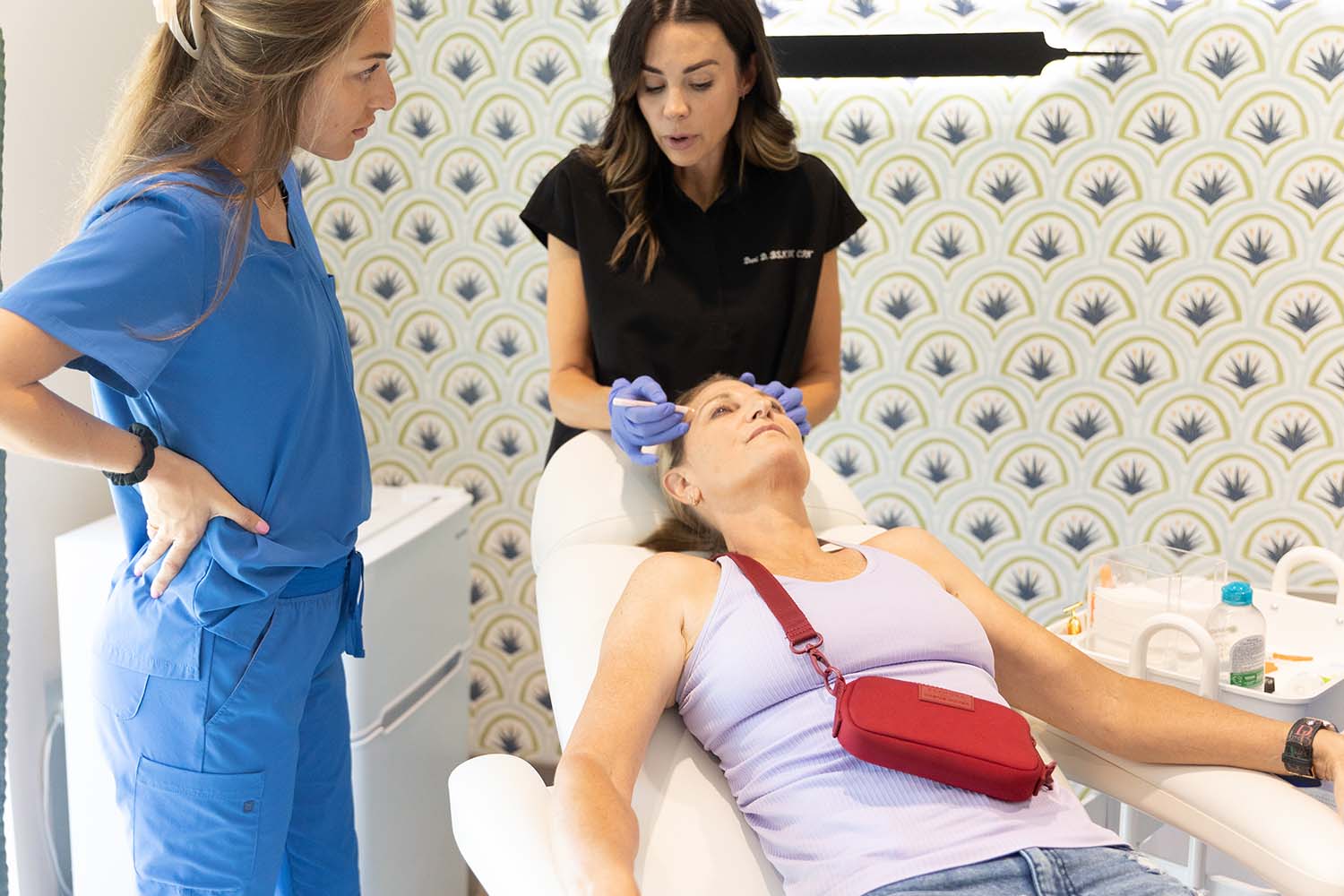
ITA’s PRP training page introduces education in platelet-rich plasma preparation, patient assessment, injection techniques, infection control, and post-treatment care.
Interested in adding platelet-rich plasma procedures to your clinical practice? Connect with Injector Training Academy to discuss PRP training eligibility, available course formats, prerequisites, and the next steps for enrollment.
New to aesthetic injections? Building a strong foundation in facial anatomy, patient assessment, injection safety, and complication management is an important first step before pursuing specialized procedures such as PRP.
ITA’s $3,000 Injector Certification Program combines self-paced online education with a private, one-on-one hands-on training day using six live models.
Explore our Botox and filler training to learn about foundational injectable education.
PRP-specific prerequisites should be confirmed with ITA before enrollment.
PRP injection training is intended for healthcare professionals whose qualifications and clinical responsibilities align with the procedures being taught.
Eligibility depends on the provider’s active professional license, relevant clinical background, and ITA’s specific PRP course admission requirements. Contact ITA to confirm whether your license qualifies for enrollment.
Completing a training course does not independently authorize you to perform PRP injections. Providers must follow applicable state laws governing blood collection, injection procedures, physician delegation, and clinical supervision.
ITA’s platelet-rich plasma training covers the PRP treatment workflow, from patient evaluation to injection delivery:
Proper PRP preparation begins with a standard blood draw from the patient’s arm. Maintaining sterility throughout the extraction process is critical. ITA’s training covers the correct use of FDA-cleared centrifugation systems and collection kits to ensure consistency, safety, and efficacy.
The course teaches precise injection techniques tailored to aesthetic and therapeutic uses. Trainees learn to assess anatomical landmarks, determine optimal injection depth, and adjust dosage based on treatment area. Techniques for intradermal, subcutaneous, and intra-articular injections are covered.
Safety protocols are emphasized throughout, including sterile handling, patient preparation, and aftercare. Training also reviews adverse event prevention, recognizing complications, and following best practices in infection control.
Hair restoration with PRP requires proper patient selection, clear expectations, and consistent technique. This module covers PRP preparation, scalp health assessment, and injection into thinning areas.
Training includes treatment intervals, expected results, and follow-up care protocols.
For facial aesthetics, PRP is used in microneedling and injection-based treatments to stimulate collagen and improve texture.
This section teaches safe and effective combination of PRP with skin treatments, covering protocols for under-eye hollows, acne scars, and general skin rejuvenation.
Advanced learners explore complex applications such as high-concentration PRP, joint and tendon injections, and combination therapies with dermal fillers or energy devices.
ITA’s PRP training page introduces education in platelet-rich plasma preparation, patient assessment, injection techniques, infection control, and post-treatment care.
Because course structure and availability may change, prospective students should confirm the current training format, practical components, course duration, and tuition directly with ITA.
Do not assume the PRP course includes the same training hours, live models, or hands-on format as ITA’s foundational Injector Certification Program.
Students should confirm whether the PRP course currently provides a Certificate of Completion and what requirements must be satisfied to receive it.
A Certificate of Completion documents training participation. It does not grant a medical license, expand professional scope of practice, or replace applicable clinical supervision requirements.
ITA’s programs don’t currently award CE or CME credits.
Medical oversight requirements for PRP procedures vary by state, provider license, and treatment application.
Through its relationship with Medical Director Co., ITA can help healthcare professionals explore medical director placement resources and relevant practice requirements.
Physician availability, placement timelines, delegation arrangements, and other services must be confirmed individually. Completion of training does not guarantee medical director placement or authorization to begin offering PRP procedures.
Tell us a little about yourself and an ITA team member will follow up about PRP training eligibility, course formats and prerequisites.
Prefer to talk it through? Call (817) 768-9230.
Interested in adding platelet-rich plasma procedures to your clinical practice? Connect with Injector Training Academy to discuss PRP training eligibility, available course formats, prerequisites, and the next steps for enrollment.
If you’re beginning your journey in aesthetic medicine, you can also explore ITA’s foundational injectable training and nurse injector internship options.
Our team can help you identify an educational pathway that fits your professional background and training goals.
Start or advance your career with hands on training, expert instructors, and nationally recognized certification paths.