Stepping into the world of aesthetic injection requires not only stable hands. Patients comparing lip flip vs filler expect you to explain options clearly and guide them toward the right choice. Knowing how to assess lip anatomy, movement, and patient goals sets you apart early in your injector career.
The difference between a lip flip and lip filler affects more than the results. It impacts safety, patient satisfaction, and long-term trust. Making the wrong recommendation can lead to disappointment or unnecessary corrections.
At Training Academy of Medical Aesthetics (TAMA), injector education is built around clinical reasoning, not trends. You learn how to evaluate facial dynamics, manage expectations, and choose treatments that align with both anatomy and patient intent.
Before comparing techniques, products, and outcomes, it is important to understand how each treatment works, who it is best for, and when combining them makes sense in real clinical practice.
Understanding the Fundamentals of Lip Enhancements in Practice
When patients ask about lip enhancement, they are often comparing subtle definitions versus visible volume. The conversation around lip flip vs filler should always start with education, not product selection. Providers must assess lip anatomy, muscle activity, facial balance, and the patient’s lifestyle before making a decision.
A lip flip uses Botox to relax the upper lip muscle, causing a subtle outward curl for a fuller look without adding volume, ideal for a natural lift. In contrast, lip filler uses dermal fillers like hyaluronic acid injected into the lips to add significant volume, shape, and pout. Choose a flip for subtle definition, filler for dramatic volume, or combine them for a comprehensive result.
What Is a Lip Flip and How Does It Work Clinically
Many patients ask directly, what is a lip flip, and the answer should be clear and simple. A lip flip involves small amounts of Botox placed into the orbicularis oris muscle. This relaxes the muscle that pulls the upper lip inward when smiling.
The result is not volume. Instead, the lip gently rolls outward, showing more of the pink lip surface. Patients often notice improved lip visibility when smiling, reduced gum show, and a softer upper lip line. Lip flip before and after results are subtle but noticeable, especially in motion.
This treatment works best for patients who already have decent lip shape but want a slight enhancement. It is also helpful for patients who dislike the feel of filler or want to start conservatively.
Lip Filler Techniques and Patient Outcomes
While the lip flip offers subtle enhancement, lip filler provides structural change. In the lip flip vs filler discussion, filler is the option for patients seeking fullness, shape, and contour.
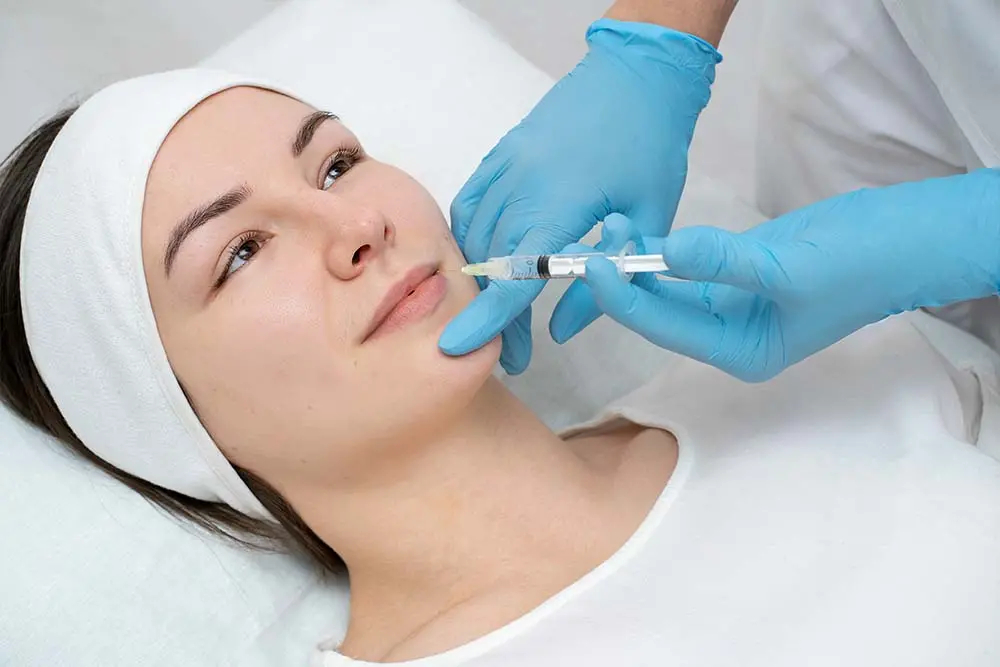
Lip fillers use gel-like substances injected directly into the lips. Hyaluronic acid fillers allow injectors to sculpt borders, enhance the cupid’s bow, restore volume lost with age, or create a fuller pout. This is where artistry, anatomical knowledge, and technique matter most.
Lip Filler Treatment Goals and Best Candidates
Lip filler is best for patients who want visible volume or reshaping. It can address asymmetry, thinning lips, and age-related volume loss. Results are more dramatic and typically last longer than a lip flip.
Patients often compare lip filler vs lip flip after seeing social media results. It is important to explain that filler changes size and shape, while a flip changes movement and position. Setting expectations prevents dissatisfaction and overcorrection.
Combining Treatments for Optimal Results: Lip Flip vs Filler
In many cases, the best outcomes come from combination treatments. Understanding lip flip vs filler does not mean choosing one forever. It means knowing when to layer treatments responsibly.
Lip Flip and Lip Filler Used Together
Using lip flip and lip filler together can enhance both definition and volume. The flip allows the upper lip to roll outward, while filler adds structure beneath it. Some providers also perform a lip flip with filler to improve lip balance without overfilling.
This approach works well for patients who want a natural look but feel filler alone looks heavy. It also benefits patients whose upper lip disappears when smiling. Combination treatments require precise dosing and timing, which is why proper training matters.
Lip Flip vs Filler Comparison Table
Below is a clear breakdown of lip flip vs filler to help guide clinical decisions:
| Lip Flip | Lip Filler | |
| What it is | Botox relaxes the orbicularis oris muscle, allowing the upper lip to flip outward | Gel-like substance injected into the lips to add volume and contour |
| Results | Subtle, natural-looking lift with increased upper lip visibility | Fuller, plumper lips with more defined shape |
| Best for | Patients with good lip shape seeking slight enhancement or reduced gum show | Patients wanting noticeable volume or lip reshaping |
| Duration | 2–4 months | 6–12 months |
| Cost | Generally lower than filler | Higher upfront cost but longer-lasting results |
These lip flip vs lip filler differences should always be reviewed with patients during consultation. Clear comparisons build confidence and reduce unrealistic expectations.
Choosing the Right Treatment for Each Patient: Lip Flip vs Filler
Selecting lip flip or filler depends on anatomy, goals, budget, and tolerance for downtime. Providers should never default to trends. Instead, clinical reasoning must guide every recommendation.
Treatment Selection Based on Patient Goals
Before deciding, consider the following factors:
- Lip shape at rest and during movement
- Degree of volume loss or asymmetry
- Patient preference for subtle versus dramatic results
- Willingness to maintain results over time
For a natural boost, a lip flip may be enough. For significant volume, lip filler is more appropriate. For the best of both, combining treatments creates balance and harmony. These conversations separate skilled injectors from average ones.
Summary of Key Points: Lip Flip vs Filler
Here is a concise recap of lip flip vs filler for clinical reference:
- A lip flip enhances lip position without adding volume.
- Lip filler adds volume, shape, and contour.
- Lip flip before and after results are subtle and dynamic.
- Lip filler results are more visible and longer-lasting.
- Lip flip and lip filler can be safely combined when done correctly.
Understanding these points allows providers to educate patients clearly and recommend treatments with confidence.
Final Thoughts
Mastering lip flip vs filler decision-making is not just about injections. It is about patient trust, safety, and long-term success. Providers who understand anatomy, muscle dynamics, and product behavior deliver better outcomes and fewer complications.
At Texas Academy of Medical Aesthetics, this level of clinical judgment is built into every program. Training goes beyond technique and focuses on reasoning, assessment, and responsible treatment planning that supports sustainable aesthetic careers.
Frequently Asked Questions
What is the difference between a lip flip and a lip filler?
A lip flip uses Botox to relax the upper lip muscle, allowing it to curl outward for subtle definition without adding volume. Lip filler uses dermal fillers to add volume, shape, and structure directly to the lips.
How long does a lip flip last versus lip filler treatments?
A lip flip typically lasts two to four months, depending on muscle activity and metabolism. Lip filler generally lasts six to twelve months, offering longer-lasting volume and contour.
Can I combine lip flip and filler treatments for enhanced results?
Yes, combining a lip flip and filler can improve both lip definition and fullness. This approach works well for patients who want natural movement with added volume when performed with proper technique.
Which treatment looks more natural?
Both treatments can look natural when done conservatively. A lip flip tends to produce subtler results, while lip filler can look natural if placed with precision and respect for facial anatomy.
How can Training Academy for Medical Aesthetics help providers master these treatments?
Training Academy for Medical Aesthetics provides expert-led, hands-on education focused on anatomy, technique, safety, and real-world decision-making so providers can confidently perform lip flip and filler treatments.