Many medical professionals today are exploring aesthetic medicine as an additional skill set or career path. Some are nurses looking to transition into aesthetic injection, others are physician assistants wanting to expand their services, and many physicians now want to offer Botox injection treatments directly within their practice.
Whatever your background, one question always comes first: How much does Botox certification cost?
The short answer is that the Botox certification course cost usually sits somewhere between $800 and $3,000 for a solid, hands-on program. Prices may go up if the course includes dermal filler training, advanced botulinum toxin training, multiple live models, or extended one-on-one instruction. For nurses specifically, the RN botox certification cost typically falls within the same range, since training standards are based on clinical safety and not the type of license.
Cost alone, however, doesn’t tell you whether a program is worth it. This guide breaks down how to evaluate any Botox training program, what proper injection training should look like, and what every medical professional, whether an RN, NP, PA, or physician, should look for when choosing a course.
Understanding What You’re Paying For in a Botox Training Program
The price of training varies because different programs include different layers of education. Some focus on aesthetic theory, others on hands-on practice. The best programs combine both.
Hands-On Training and Why It Matters
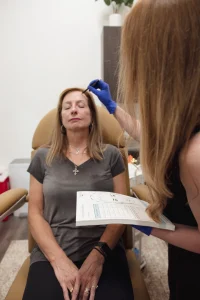
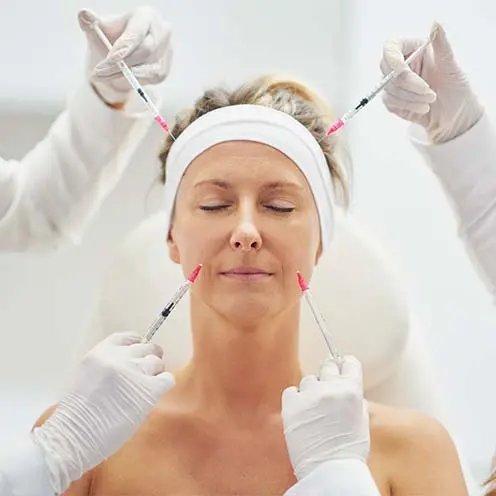
If you want to work in aesthetic medicine, you need more than online slides and lectures. You need hands-on training, ideally with actual patients. This is where most programs differ.
A strong Botox® training program will typically include:
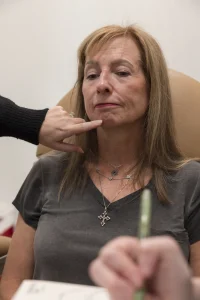
- Hands-on training with live patients, so you can practice real injections and get used to needle placement.
- Step-by-step guidance for mapping injection points across areas like the forehead, glabella, and crow’s feet.
- Real-time feedback from an experienced aesthetic nurse injector or aesthetic medical instructor.
- Practice with botulinum toxin and dermal filler syringes, depending on the course level.
- Multiple opportunities to inject under supervision, instead of just observing.
Hands-on Botox training is what builds confidence. Without it, you cannot fully understand how tissue feels, how patients respond, or how small adjustments affect results.
Course Format: Online, Hybrid, or In-Person
Here is a simple way to compare the typical formats you will come across:
- Online-only virtual training: Good for basic concepts but not enough to start injecting.
- Hybrid aesthetics training: A mix of theory online and short in-person practice. Helpful, but hands-on time varies.
- In-person training course: The gold standard for learning botulinum toxin and dermal filler techniques.
- Advanced aesthetics course: Usually includes facial balancing, advanced filler injection, and higher-risk zones.
- Course for physicians or mid-level providers: Sometimes includes more medical-legal structure and practice management.
Choose your format based on your comfort level, your schedule, and the amount of hands-on injection training you want.
Instructor Expertise and Training Experience
A human instructor makes an enormous difference. When comparing programs, look at who is teaching you. Instructors should include:
- Aesthetic nurse injectors with real experience
- Nurse practitioners or physician assistants already practicing aesthetic injection
- Physicians who specialize in aesthetic medicine
- Educators connected with aesthetic medical educators training organizations
A good instructor can tell you why an injection worked or didn’t work, not just how to perform it.
Training Materials and What You Bring Home
Any worthwhile certification course should give you practical tools to use even after training, such as:
- Facial anatomy charts
- Injection mapping diagrams
- Complication management guidelines
- Botulinum toxin dilution and dosing references
- Dermal filler safety sheets
- Consent forms and aftercare instructions
- Access to training materials in digital form
You should finish the course with real reference guides, not just a certificate.
Botox Certification Cost: A More Detailed Breakdown
To help you plan your aesthetic training path, here is a more nuanced look at typical pricing:
- $200 to $500: Online introductory programs or virtual training. Good for theory, not enough for clinical practice.
- $400 to $800: Hybrid programs offering a mix of on-demand lessons and a brief in-person workshop.
- $800 to $2,500: Most standard in-person Botox training programs with hands-on sessions, live models, and foundational anatomy.
- $2,500 to $5,000: Comprehensive course packages with both Botox and dermal filler training, advanced botulinum toxin training, and extended supervised injections.
These ranges apply to all medical roles. The RN Botox certification cost, NP cost, and physician assistant cost are typically the same.
What Every Botox Training and Certification Program Should Include
Here is what you should expect from a complete aesthetics course:
Essential Clinical Curriculum
- Understanding of botulinum toxin and how it affects muscle movement
- Basic-to-advanced injection techniques
- Facial anatomy and proper depth identification
- Aesthetic medicine principles and treatment planning
- Safety steps, contraindications, and patient selection
Dermal Filler Training Basics
Even if filler training is offered as a separate course, your Botox training should touch on:
- Hyaluronic acid filler types
- Injection planes
- Cannula basics
- Complication prevention
Understanding filler complements your Botox knowledge.
Aesthetic Injection Training That Reflects Real Practice
Your training program should expose you to:
- Realistic patient scenarios
- Assessment techniques
- Multiple injection sessions
- Training that includes several facial areas
- Aesthetic analysis based on symmetry and proportion
Training should feel like stepping into real practice, not a classroom exercise.
Proper Safety and Emergency Protocols
A good certification course takes safety as seriously as technique. It should teach:
- Avoiding vascular areas
- Managing vascular occlusions
- Recognizing ptosis or unwanted spread
- Emergency protocols with clear steps
- Proper sanitation and sharps handling
Training Designed for Long-Term Success
Look for training programs that provide:
- Continued mentorship
- Optional advanced Botox training
- Dermal filler certification classes for future growth
- In-person training refreshers
- Access to injection courses for physicians and mid-levels
- Paths toward injector certification
Buyer’s Comparison: How to Judge One Botox Course Against Another
Here is a simple but very effective way to compare training programs side by side.
1. Depth of Education
Ask yourself: Does the program teach only the basics, or does it fully explain anatomy, injection techniques, botulinum toxin training, and aesthetic injection strategy?
2. Quality of Hands-On Training
The best training programs provide:
- Multiple patients
- Multiple injection opportunities
- Guidance from experienced injectors
- Enough time to practice, not rush
- Training that actually ensures you can perform injections safely
3. Instructor Reputation
A strong training program will gladly share:
- Instructor credentials
- Years of experience in aesthetic medicine
- Their background with Botox and filler training
- Whether they offer follow-up support
4. Training Options and Flexibility
Good programs offer flexible schedules, including:
- Weekend intensives
- Short 8-hour Botox courses
- Multi-day comprehensive training
- Virtual training for theory
- In-person training for practice
5. A Clear Path to Grow Your Skills
A strong aesthetics training program will also offer:
- Advanced Botox training
- Filler training for nurses and medical professionals
- Aesthetics course progression into facial balancing
- Opportunities for more in-depth didactic and hands-on training
- Additional injection training for physicians
Red Flags When Evaluating a Botox Course
If you see any of these signs, move on:
- The program does not include hands-on training.
- Only demonstrations are provided.
- There is no focus on anatomy.
- There is little or no mention of safety.
- The price is suspiciously low.
- You cannot verify instructor credentials.
- Training materials are vague.
- Course descriptions repeat the same generic promises.
- There is no advanced training option or follow-up support.
Choosing a Botox Training Program With Confidence
When you understand the full scope of training (what it costs, what it includes, and how to evaluate it), it becomes much easier to choose the right program. The best Botox certification programs provide:
- A clear, well-structured curriculum
- Strong anatomical foundation
- Hands-on training with live models
- Reliable instructor expertise
- A professional environment
- A safe path into aesthetic medicine
- Room to grow into more advanced courses
The most important thing is choosing a training program that gives you real confidence, not just a certificate.
With proper training and certification, medical professionals can confidently enter the field of aesthetic injection and begin offering safe, evidence-based Botox and filler treatments.
If you want a place that teaches you the way real injectors learn, the Texas Academy of Medical Aesthetics (TAMA) provides exactly that.
At TAMA, you train with licensed instructors, work with live models, and learn anatomy-based techniques that reflect real clinical practice. Our programs are designed to help medical professionals gain confidence with Botox and dermal filler injections while staying grounded in safety, ethics, and patient-centered care.
If you’re ready to take the next step in aesthetic injection training, TAMA will guide you from beginner to competent, responsible injector with the support you need at every stage.
FAQs
How much does Botox certification cost for medical professionals?
The average Botox certification cost ranges from $800 to $3,000, depending on whether the course includes hands-on training, live model practice, dermal filler training, or advanced botulinum toxin instruction. Online or virtual training is usually cheaper, while in-person, anatomy-based programs cost more because they provide real injection experience.
Are RN Botox certification cost, NP cost, and PA cost different?
Most training providers charge the same course fee for RNs, NPs, and PAs. The difference isn’t in cost, but in the scope of practice, state regulations, and malpractice requirements after training. The price of the actual Botox training program is typically identical for all medical professionals.
What should a high-quality Botox training program include?
A reputable program should include:
- Facial anatomy education
- Botox injection techniques
- Hands-on training with live models
- Dermal filler training basics
- Safety and complication protocols
- Treatment assessment and patient consultation
Courses that offer only theory or demonstrations do not adequately prepare new injectors.
Do I need hands-on training to get certified in Botox?
Yes. Proper injection training requires hands-on practice with live models to learn depth, angle, dosage, and safe technique. A complete botox® training program combines didactic lessons with supervised, real-world injections to ensure you can perform treatments safely.
How long does it take to complete a Botox training course?
Most introductory aesthetics training or botulinum toxin training courses take one to two days, while comprehensive courses that include dermal filler training may last two to four days. Some programs offer extended mentorship or optional advanced sessions for further skill development.
What is the difference between Botox training and dermal filler training?
Botox training focuses on botulinum toxin and muscle relaxation injections, while dermal filler training teaches volume restoration and contouring techniques using hyaluronic acid fillers. Many schools offer both together as part of a comprehensive course, but they are distinct skill sets.
Do I need to be a medical professional to take a Botox course?
Yes. Most states require injectors to be licensed medical professionals, such as an RN, NP, PA, MD, or DO. Legitimate training providers verify credentials before enrollment and offer injectable training appropriate for your scope of practice.
What topics are covered in a Botox certification course?
A complete training course typically covers:
- Facial anatomy and injection mapping
- Botulinum toxin pharmacology
- Botox injection safety
- Dermal filler introduction
- Hands-on botox® training
- Injection techniques for forehead, glabella, and crow’s feet
- Complication recognition and management
- Documentation and patient assessment
- Advanced training expands into full facial balancing and filler injection.
How do I choose the best Botox certification program?
Look for programs that offer:
- Hands-on training with live models
- Anatomy-based instruction
- Experienced nurse injectors or physicians as instructors
- A structured aesthetics course
- Post-training support
- Clear explanations of the Botox certification cost
- Programs offering minimal hands-on training or unclear credentials should be avoided.
Can I start offering aesthetic injection services immediately after certification?
Most medical professionals can begin offering injection services after completing appropriate training and certification, as long as they comply with their state’s scope-of-practice laws and, if required, have appropriate supervision. Many new injectors continue with advanced Botox and dermal filler training to build confidence and refine technique.