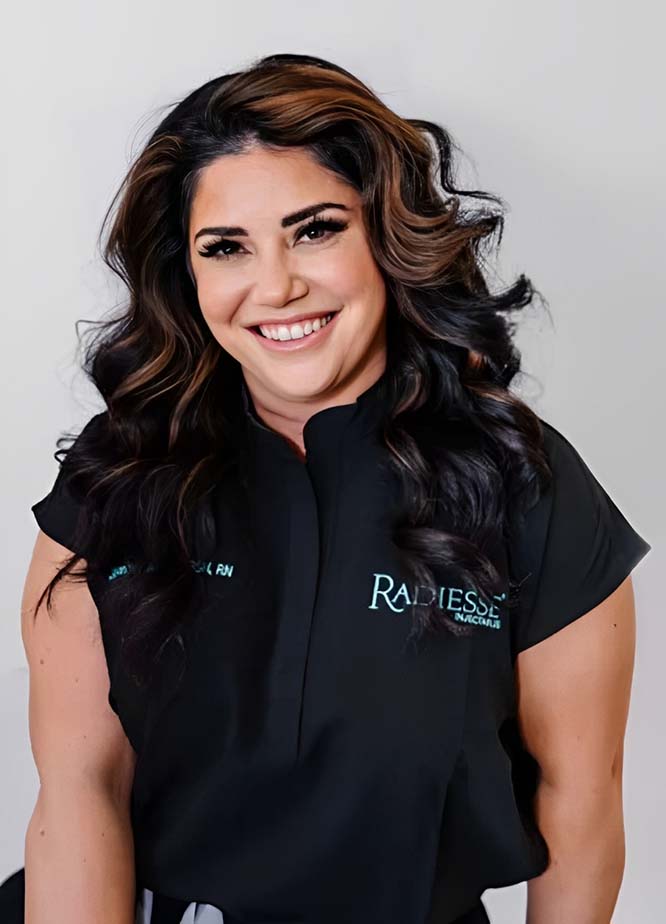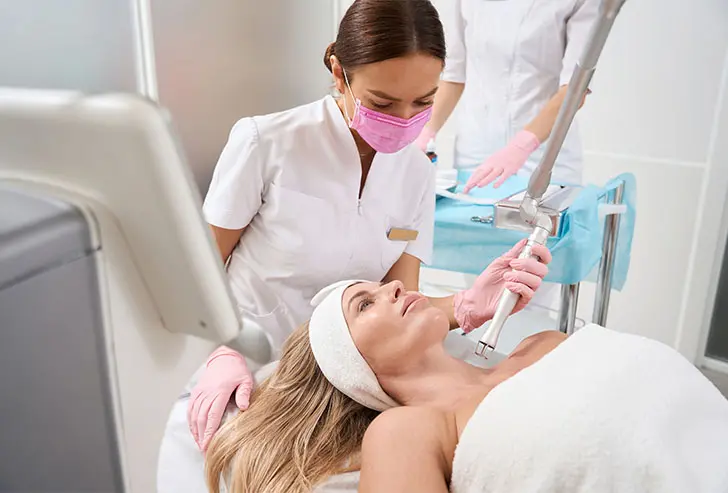
Scroll through any red-carpet photo of Kim Kardashian, Kylie Jenner, or Hailey Bieber and one question probably crosses your mind: who actually injects those flawless faces? The answer almost always points to a small, elite circle of highly trained aesthetic nurse Botox injectors — and the path to joining that circle is more accessible than most nurses realize.
If you’re a registered nurse, nurse practitioner, or PA eyeing a career pivot into cosmetic injectables, this guide breaks down exactly how to get there — and why the field is exploding right now.
The Celebrity Injector Economy Is Massive — And Growing
The global botulinum toxin market was valued at over $6 billion in 2023 and is projected to more than double by 2030. Social media has normalized “tweakments” — subtle tweaks like lip flips, baby Botox, and under-eye filler — and celebrities have openly credited their injectors on Instagram, turning names like Dr. Jason Diamond, Jamie Cadillac, NP, and Miranda Wilson, RN into household brands among beauty enthusiasts.
Here’s the part most people miss: the majority of aesthetic injections in medspas across the U.S. are performed by registered nurses and nurse practitioners, not plastic surgeons. Physicians typically own or supervise the practice, but the hands holding the syringe almost always belong to a nurse.
That’s your opportunity.
Who Is Legally Allowed to Inject Botox and Filler?
Scope of practice varies by state, but generally speaking, the following licensed professionals can perform cosmetic injections under appropriate physician oversight:
- Registered Nurses (RNs)
- Nurse Practitioners (NPs)
- Physician Assistants (PAs)
- Licensed Physicians (MDs/DOs)
- Dentists (in some states, for facial aesthetics)
Botox (onabotulinumtoxinA) is an FDA-approved prescription medication, and the U.S. Food and Drug Administration regulates how it’s labeled, prescribed, and administered. Before any injector touches a patient, there must be a valid prescription from a licensed physician who has examined the patient (or conducted a telehealth consult, where permitted).
Check your state’s board of nursing for specifics. The National Council of State Boards of Nursing maintains up-to-date scope-of-practice guidance for every U.S. state.
Step 1: Keep Your Nursing License Active and in Good Standing
This is non-negotiable. No matter how talented you are, medspas won’t hire you without a clean, active RN, NP, or PA license. If you’re still in school, finish your program and pass the NCLEX first.
Step 2: Get Specialized Aesthetic Injection Training
Nursing school does not teach you how to inject Botox. You’ll learn the anatomy of the face, how to reconstitute neurotoxins, filler layering techniques, how to manage vascular occlusions, and how to consult patients on realistic outcomes — all through a dedicated aesthetic injector training program.
A quality program should include:
- Hands-on live model injection practice (not just lectures)
- Advanced facial anatomy with a focus on danger zones
- Neurotoxin and dermal filler theory
- Complication management (including hyaluronidase protocols)
- Consultation, consent, and documentation best practices
- Business and marketing training for those who want to go independent
Programs like Injector Training Academy offer comprehensive curricula designed specifically for licensed medical professionals transitioning into aesthetics. The right course compresses what would otherwise take years of shadowing into a focused, practical experience.
Step 3: Understand the Safety and Regulatory Side
Celebrity injectors aren’t famous just because they have good taste — they’re famous because their patients never end up on the evening news with a botched result. Safety is the foundation of a celebrity-tier career.
Familiarize yourself with:
- FDA guidance on cosmetic injectables and approved products
- CDC infection prevention standards for outpatient procedures
- Your state medical board’s rules on medical director oversight
- HIPAA compliance for patient photos and records
Complications like vascular occlusion, though rare, can cause tissue necrosis or blindness if not recognized and treated within minutes. Every reputable training program teaches emergency protocols — if a course skips this, walk away.
Step 4: Build Your Portfolio and Brand
Celebrity clientele don’t fall from the sky. Injectors who reach that level almost always do three things relentlessly:
- Document every result. Before-and-afters (with consent) are the currency of aesthetics.
- Build a social media presence. Instagram and TikTok are where both patients and press discover injectors.
- Network within the industry. Attend conferences like AMWC, Aesthetic Next, and The Aesthetic Show. Celebrity connections are almost always made through other industry professionals.
Step 5: Decide Between Employed and Independent Practice
Many new injectors start as W-2 employees at established medspas to build volume and confidence. After a year or two, some move into 1099 contractor roles (higher pay, less stability) or open their own practice under a physician medical director. Independent injectors earning six and seven figures are increasingly common — but so are burned-out owners who underestimated the business side.
The Realistic Timeline
- Months 1–2: Complete aesthetic injection training
- Months 3–6: Land your first medspa role, build clinical confidence
- Year 1–2: Develop your injection style, grow social media following
- Year 3+: Consider independent practice, specialty niches, or celebrity-adjacent markets (LA, Miami, NYC, Dallas)
Final Thoughts
You don’t need to move to Beverly Hills or know a Kardashian to build a meaningful, lucrative career as an aesthetic injector. You need a solid license, exceptional training, an obsession with safety, and the patience to build your book of business one beautiful result at a time.
Celebrity injectors started exactly where you’re standing right now. The syringe doesn’t know whose face is in front of it — only the hands do.
Ready to start? Explore accredited injector training programs and map out your own path into aesthetics today.