If you’re a registered nurse (RN), nurse practitioner (NP), physician assistant (PA), or other licensed healthcare professional looking to enter aesthetic medicine, one of the first questions you’ll likely ask is:
“How much does Botox training cost in Texas?”
The short answer is that the cost of Botox training in Texas depends on the type of course, whether it includes hands-on training, class size, instructor experience, and additional support after graduation.
While price matters, choosing the least expensive course isn’t always the smartest investment. The quality of your education can directly impact your confidence, patient safety, and long-term earning potential as a cosmetic injector.
In this guide, we’ll break down what Botox training costs in Texas, what affects pricing, and how to choose a course that delivers real value.
Average Botox Training Costs in Texas
There isn’t a one-size-fits-all price for Botox training in Texas. Tuition varies based on several factors, including:
- Whether the course is online, in person, or a hybrid program
- The amount of hands-on training with live models
- Whether dermal filler training is included
- Instructor experience and class size
- Access to mentorship, business education, and post-course support
Here’s a general breakdown of what nurses can expect to pay.
| Training Type | Typical Cost |
| Online Botox Course | Lower-cost |
| One-Day Hands-On Botox Training | Moderate investment |
| Botox + Dermal Filler Course | Moderate investment |
| Comprehensive Multi-Day Aesthetic Program | Higher investment |
While introductory online courses are generally the most affordable, comprehensive hands-on programs typically represent a larger investment because they provide supervised clinical experience and practical skills that are difficult to develop through online instruction alone.
What Determines the Cost of Botox Training?
Not all certification courses offer the same experience. Understanding what’s included helps you compare programs beyond the price tag.
1. Online vs. Hands-On Training
Online courses are generally more affordable because they focus on theory, facial anatomy, and injection principles.
However, Botox is a procedural skill. Online Botox certification programs can be an excellent option for licensed healthcare professionals who want to begin learning the fundamentals of aesthetic medicine while maintaining a busy schedule
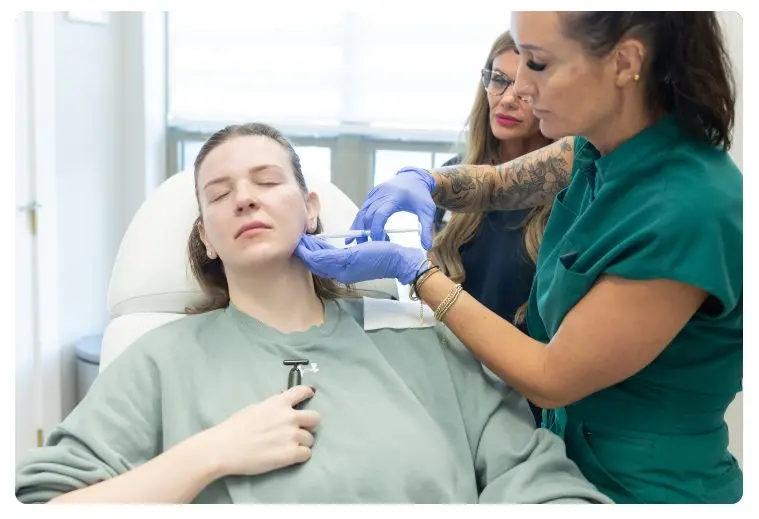
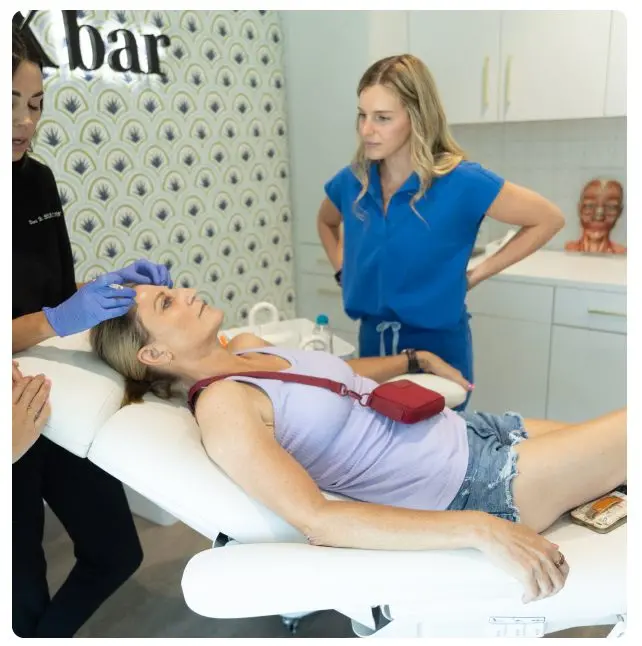
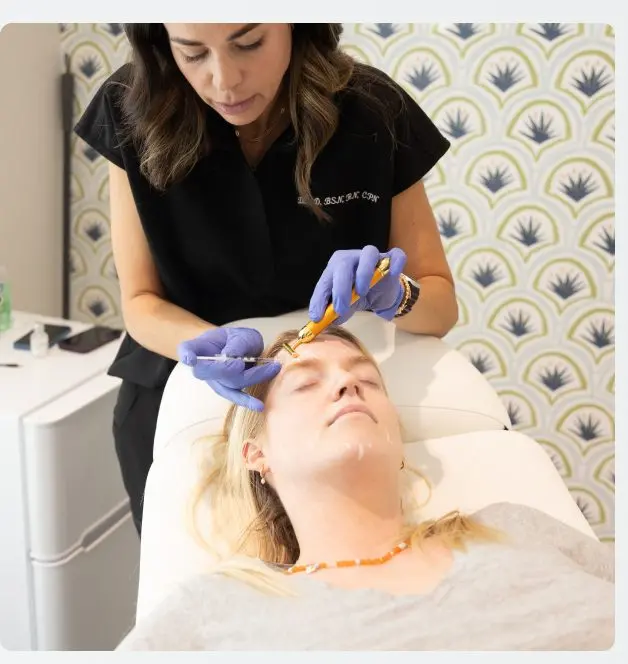
Developing proper injection technique, understanding tissue planes, and learning safe patient assessment require supervised clinical practice. Hands-on training with live models allows you to gain confidence before treating your own patients.
Many nurses who are new to aesthetics choose online education first, then later realize they still need practical training before feeling comfortable injecting.
2. Live Patient Experience
Programs that allow students to inject real patients under experienced instructor supervision generally cost more and for good reason.
Hands-on experience helps you learn:
- Proper injection techniques
- Product handling
- Patient consultation
- Facial assessment
- Complication prevention
- Treatment planning
These are difficult to master through videos alone.
3. Instructor Experience
Training led by experienced aesthetic injectors often provides greater clinical insight than lecture-only courses.
Experienced instructors can teach:
- Patient selection
- Treatment customization
- Injection pearls
- Complication management
- Real-world clinical decision-making
This practical knowledge often becomes the most valuable part of the course.
4. Class Size
Larger workshops may allow students to observe many procedures but provide limited opportunities to inject.
Smaller classes—or one-on-one training—typically offer:
- More instructor feedback
- More injection time
- Personalized coaching
- Greater confidence before entering practice
While smaller classes may cost more, many nurses find the additional experience well worth the investment.
5. What’s Included in the Tuition?
When comparing programs, ask exactly what’s included.
Some courses provide:
- Course manuals
- Live model experience
- Ongoing educational resources
- Business education
- Certificate of completion
- Continuing education credits (when applicable)
- Post-course mentorship
Others may charge separately for these items.
Always compare the complete value rather than the advertised tuition alone.
Is Cheaper Botox Training Worth It?
Budget-friendly online courses can be an excellent introduction to aesthetic medicine.
However, if your goal is to become a confident injector, practical experience is difficult to replace.
Many nurses who initially choose lower-cost online programs eventually invest in additional hands-on education because they want more confidence treating patients safely.
Rather than paying twice, many professionals prefer comprehensive training that combines foundational knowledge with supervised clinical practice.
Still trying to decide which training option is right for you? If you’re weighing the pros and cons of online Botox certification vs. hands-on Botox training, our team is here to help.
Is Botox Training Tax Deductible?
In some cases, Botox training may qualify as a tax-deductible business expense, but eligibility depends on your individual circumstances and applicable tax laws.
For example, if you’re self-employed, own a medical practice, or work as an independent contractor, the cost of professional education that helps you maintain or improve skills used in your business may be deductible. Some employers may also reimburse continuing education expenses as part of their professional development programs.
However, the tax treatment of training expenses can vary based on factors such as your employment status, business structure, and whether the education is considered to maintain existing skills or prepare you for a new profession.
Because every situation is different, it’s important to consult a qualified tax professional or accountant to determine whether your Botox training qualifies for a deduction and what documentation you should keep for tax purposes.
How Quickly Can Botox Training Pay for Itself?
For many nurses, Botox training becomes one of the highest-return professional investments they make.
Consider this example:
- A cosmetic Botox treatment often requires 20–40 units.
- Many injectors perform multiple treatments each day.
- Even a handful of patients each month can help offset training costs.
As your experience and patient base grow, your earning potential grows as well.
Rather than viewing training as an expense, many aesthetic professionals see it as an investment in a new career path.
What Should Nurses Look for in a Botox Training Program?
Before enrolling, consider asking these questions:
- Is the course designed for licensed medical professionals?
- Will I inject live patients?
- What is the instructor-to-student ratio?
- Are complication management and patient safety covered?
- Will I learn facial anatomy in depth?
- Is mentorship available after the course?
- Does the program also offer dermal filler education?
- Are there opportunities for advanced training later?
Choosing the right course can make the transition into aesthetic medicine smoother and more rewarding.
Why Hands-On Training Matters
Confidence comes from repetition.
Watching procedures is valuable, but actually performing injections under expert supervision allows nurses to build muscle memory, improve technique, and develop clinical judgment.
Hands-on education also prepares students for real-world patient interactions, consultations, and treatment planning skills that are essential for long-term success in aesthetics.
Invest in Your Future as an Aesthetic Nurse
Botox training in Texas can range from a few hundred dollars for online education to several thousand dollars for comprehensive hands-on programs. While price is an important consideration, the best course is one that prepares you to practice safely and confidently.
A quality training program should provide more than a certificate—it should equip you with practical skills, expert guidance, and the confidence to begin treating patients.
At Texas Aesthetic Medical Academy (TAMA), our hands-on training programs are designed specifically for licensed healthcare professionals who want real clinical experience, small class sizes, and instruction from experienced aesthetic providers. Whether you’re starting your journey or expanding your skills, investing in high-quality education can help lay the foundation for a successful career in aesthetic medicine.