If you’re a licensed medical professional in Texas weighing a move into aesthetic injectables, one question comes up before all others: how much does dermal filler training actually cost? The honest answer is that prices range widely — from a few hundred dollars for a basic online refresher to several thousand for hands-on, multi-day certification with live models. Below, we break down the real numbers, what drives them, and how to choose a program that’s worth the investment.
The Short Answer
In Texas, in-person dermal filler training typically starts at $3,000 for a comprehensive, hands-on course, with bundled or advanced programs climbing higher. Online-only foundational courses are the most affordable entry point: our online Botox training is regularly $499, currently discounted to $199 (60% off).
The spread is wide because “dermal filler training” isn’t one standardized product. What you pay reflects the format, the instructor’s credentials, the amount of live injection practice, and whether course materials, product, and certification are included.
What Drives the Price
1. Hands-On vs. Online
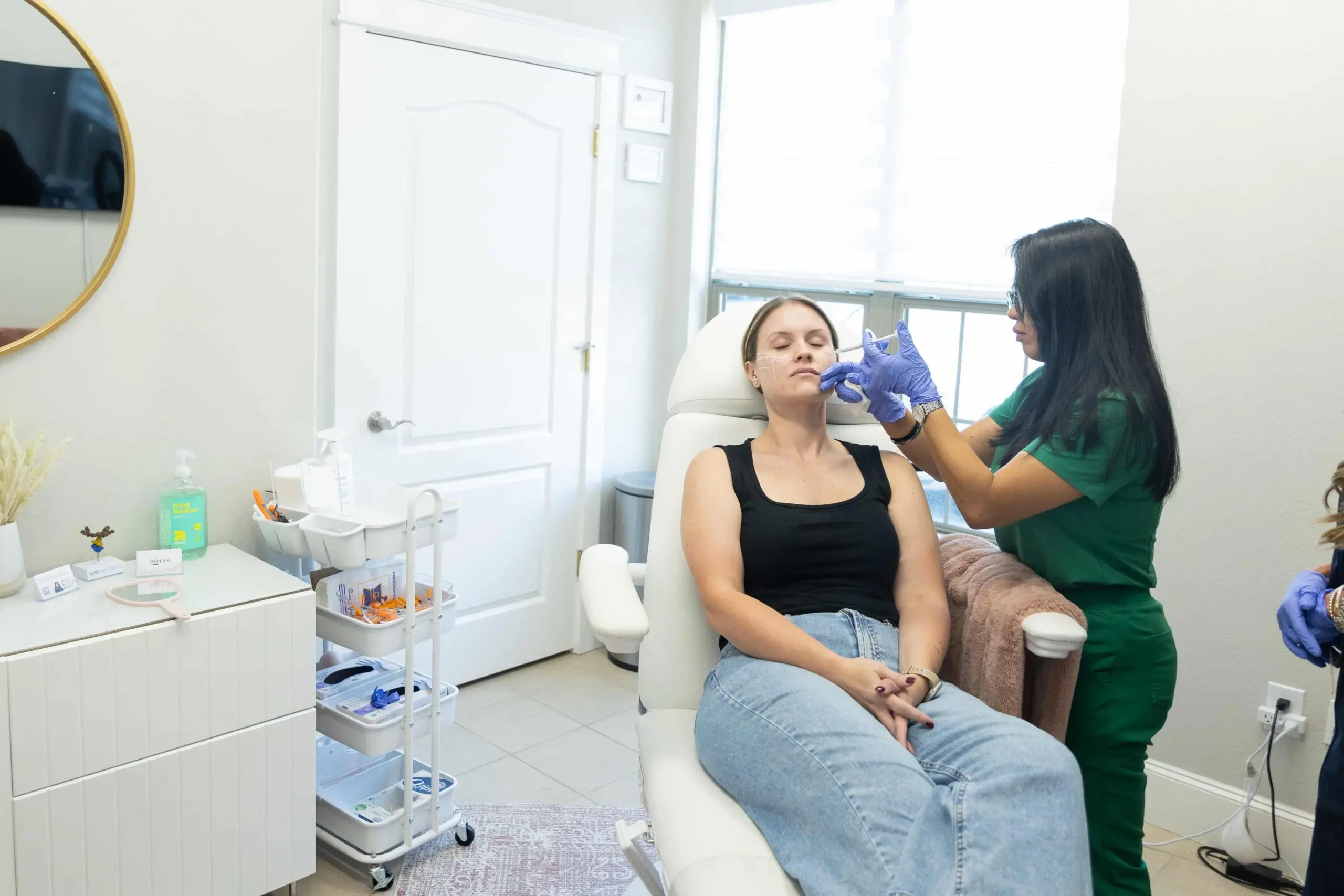
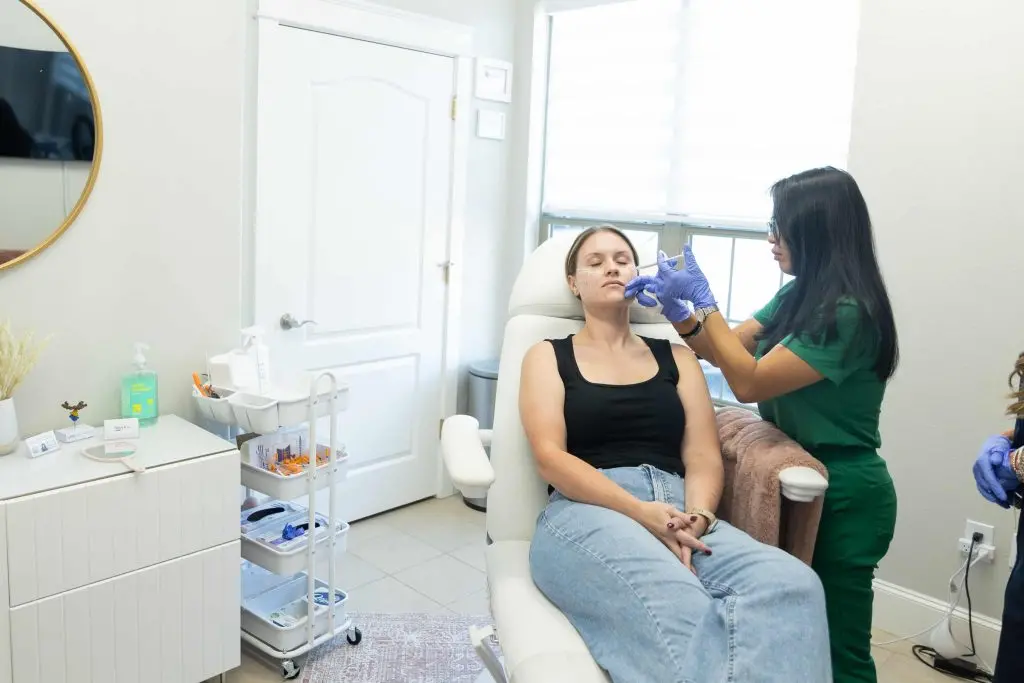
The single biggest cost factor is whether you inject real patients during training. Live, in-person courses require models, product (which isn’t cheap), clinical space, and a low student-to-instructor ratio — all of which raise the price. A purely didactic online course skips those costs, which is why it’s a fraction of the price and a smart starting point before you commit to hands-on work.
Dermal fillers are injectable gels — most commonly hyaluronic acid — used to restore volume and smooth lines. Because they’re injected into delicate facial anatomy, regulators and training bodies emphasize supervised practice, and that practice is what you’re paying a premium for.
2. Course Length and Depth
A one-day workshop covering basic lip and cheek filler costs far less than a multi-day program that also covers chin, jawline, tear troughs, and complication management. The more advanced the techniques and the more product you work with, the higher the tuition.
3. Instructor Credentials
Programs led by experienced injectors, physicians, or nurse practitioners with years of clinical practice command higher fees — and generally deliver better outcomes. The U.S. Food and Drug Administration regulates dermal filler products themselves, but it does not certify trainers, so the quality and reputation of your instructor matters enormously.
4. What’s Included
Watch for hidden costs. Some advertised prices don’t include product, injection supplies, certification documents, or post-course support. A $1,500 course that includes everything can be a better value than a $1,200 course that nickel-and-dimes you for materials.
Who Can Take Dermal Filler Training in Texas?
This matters because it affects both eligibility and cost structure. In Texas, injectable treatments are considered the practice of medicine. Under Texas Medical Board rules, procedures like dermal filler injection must be performed by, or delegated and supervised by, a licensed physician. That means training is geared toward:
- Registered Nurses (RNs)
- Nurse Practitioners (NPs)
- Physician Assistants (PAs)
- Physicians (MDs/DOs)
- Dentists
If you hold one of these licenses, you’re eligible. Many Texas programs also require a registered nurse or higher credential for hands-on filler work specifically, given the anatomical risk involved.
Typical Price Tiers in Texas
To make the numbers concrete, here’s how most Texas programs break down:
Foundational / Online ($199–$499): Self-paced theory, anatomy, product knowledge, and injection principles. Our online Botox training is normally $499 and currently $199 — a 60% discount. Ideal for building a base before live training or for credentialing documentation.
In-Person Hands-On (starting at $3,000): Multi-day, live-model training covering dermal filler technique, facial anatomy, and complication management. This is the core path for clinicians building a hands-on aesthetics practice in Texas.
Comprehensive & Advanced Programs ($3,000+): Training that combines neurotoxins and fillers, advanced techniques, and extended mentorship for those building a full-service practice.
Is It Worth the Cost?
For most clinicians, yes — and the math is straightforward. A single filler treatment can bill anywhere from $600 to $1,200 depending on the product and area treated. A handful of patients can recoup the cost of even a comprehensive program. Aesthetic injectables also tend to be cash-pay, sidestepping the reimbursement headaches that come with insurance-based care.
The real risk isn’t paying too much — it’s paying for inadequate training. Filler complications, including vascular occlusion, are serious and require recognition and rapid management. A cheap course that skips complication training can cost you far more in the long run. Investing in quality education protects both your patients and your license.
Finding Quality Training Near You
Texas has a strong concentration of aesthetic training options, and proximity matters when you’re attending hands-on sessions. If you’re searching by location, you can explore programs in Fort Worth, Argyle, Austin, Colleyville, Dallas, Plano, Waxahachie, and The Woodlands.
Many clinicians begin with the best online Botox training to build a foundation, then move into hands-on filler work locally. And for those expanding into specialized injectable procedures, advanced options such as penile injections training round out a broader practice.
How to Choose Without Overpaying
When comparing programs, ask these questions:
- Is product and certification included in the price? Get the all-in number, not the headline figure.
- What’s the student-to-instructor ratio? Smaller is better for hands-on feedback.
- Do you practice on live models? This is non-negotiable for true filler competency.
- Is complication management covered? A must, not a nice-to-have.
- What’s the instructor’s clinical background? Years of real injecting experience translate directly into your skill.
The Bottom Line
Dermal filler training in Texas usually starts at $3,000 for a quality in-person, hands-on program, with online foundations available for far less — currently $199, down from $499 (60% off). The right number for you depends on your existing experience, your goals, and how complete the program is. Rather than chasing the lowest price, focus on value: live practice, expert instruction, complication training, and transparent pricing. That’s the combination that turns tuition into a thriving, safe, and profitable aesthetics practice.