If you’re a nurse looking to expand your career beyond traditional clinical settings, becoming a Botox injector may be the opportunity you’ve been searching for. The demand for minimally invasive aesthetic treatments continues to grow across Texas, creating exciting career paths for licensed healthcare professionals who want to combine medical expertise with artistry.
Whether your goal is to work at a medical spa, plastic surgery practice, dermatology clinic, or add aesthetic services to your existing role, the first step is understanding the education, training, and legal requirements involved.
In this guide, we’ll walk you through how to become a Botox injector in Texas, what qualifications you’ll need, how Botox training works, and what you can expect as you begin a career in medical aesthetics.
Why More Nurses Are Becoming Botox Injectors
The field of medical aesthetics continues to grow as patients seek minimally invasive cosmetic procedures with little to no downtime. Botox remains one of the most requested aesthetic treatments, making it an attractive specialty for nurses looking to broaden their careers. In addition to helping patients achieve their cosmetic goals, aesthetic nursing offers opportunities for professional growth, creativity, and flexibility.
Some of the key benefits include:
- Expand Your Clinical Skill Set
Botox training allows nurses to build on their existing medical knowledge by learning specialized skills such as facial anatomy, patient assessment, treatment planning, injection techniques, and complication management. These advanced competencies can open the door to a rewarding career in aesthetic medicine while strengthening overall clinical confidence.
- Increase Your Earning Potential
Many nurses pursue aesthetic medicine as a way to diversify their income. While earnings vary depending on experience, location, employer, and patient volume, specialized injector training can help nurses qualify for positions in medical spas, dermatology clinics, plastic surgery practices, and other aesthetic settings that may offer competitive compensation.
- Work in a Growing Specialty
The demand for non-surgical cosmetic treatments continues to rise as more patients seek preventive and rejuvenating aesthetic procedures. This sustained growth has created an increasing need for skilled, well-trained injectors, making medical aesthetics an exciting field with long-term career opportunities.
- Enjoy More Flexible Schedules
Compared to traditional bedside nursing roles, many aesthetic practices offer daytime business hours, fewer overnight shifts, and more predictable schedules. Depending on the practice, nurses may also have opportunities for part-time, full-time, or contract-based work, allowing for greater work-life balance.
- Build Long-Term Career Opportunities in Aesthetics
Becoming a Botox injector can be the beginning of a broader career in aesthetic medicine. As you gain experience, you may choose to expand your expertise through advanced training in dermal fillers, biostimulators, laser treatments, or other specialized injectable procedures. Some nurses go on to become lead injectors, clinical trainers, practice managers, or even open their own medical aesthetics practice where permitted by state regulations.
Many nurses transition into aesthetic medicine after gaining experience in hospitals, emergency departments, labor and delivery, or outpatient clinics. Their strong patient assessment and communication skills provide an excellent foundation for injectable treatments.
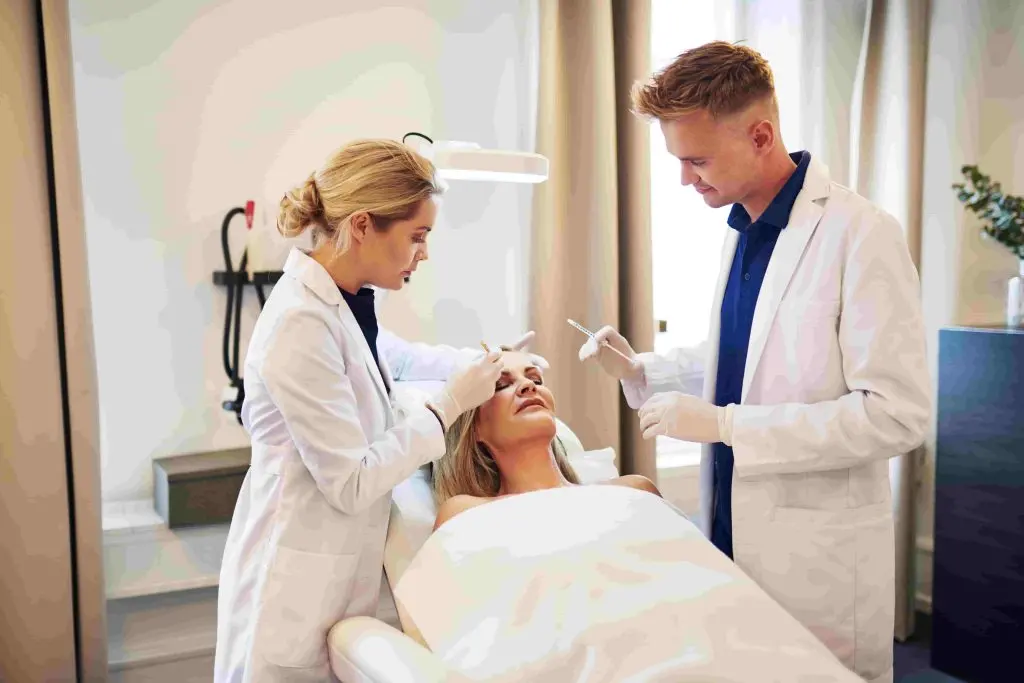
Step 1: Become a Licensed Nurse
Before administering Botox in Texas, you must first hold an active healthcare license.
Professionals commonly eligible for injector training include:
- Registered Nurses (RN)
- Licensed Vocational Nurses (LVN), where permitted under Texas delegation rules
- Nurse Practitioners (NP)
- Physician Assistants (PA)
- Physicians (MD or DO)
- Dentists (DDS or DMD)
If you’re currently enrolled in nursing school, your first goal should be obtaining your nursing license before pursuing aesthetic education.
Step 2: Understand Texas Botox Regulations
One of the biggest misconceptions is that completing a Botox course automatically allows someone to begin injecting patients independently.
In Texas, Botox is a prescription medication and is considered a medical procedure. Healthcare professionals must practice within their professional scope and comply with Texas Medical Board regulations regarding physician delegation, supervision, documentation, and patient evaluation. Understanding these legal requirements is just as important as learning injection techniques.
For this reason, choosing a training program that includes Texas-specific regulatory guidance can help prepare you for practicing safely and compliantly. TAMA offers location-based programs in Dallas, Fort Worth, and Austin to help students learn alongside state requirements.
Step 3: Complete Professional Botox Training
Your training is one of the most important investments in your new career.
A comprehensive Botox training course should cover much more than simply learning where to place injections.
Look for programs that include:
Facial Anatomy
Understanding muscles, nerves, blood vessels, and facial anatomy helps providers create natural-looking results while minimizing complications.
Patient Assessment
Every patient is different.
Training should include:
- Medical history review
- Facial assessment
- Treatment planning
- Contraindications
- Patient expectations
Product Knowledge
Students should understand:
- How neurotoxins work
- Product storage
- Reconstitution
- Dosage calculations
- Injection safety
Complication Management
Quality injector education prepares providers to recognize, prevent, and appropriately manage potential complications.
Step 4: Gain Hands-On Experience
Watching videos or attending lectures is valuable, but confidence comes from supervised clinical practice.
Hands-on Botox training allows nurses to:
- Practice injection techniques
- Learn proper patient positioning
- Improve consultation skills
- Receive instructor feedback
- Build confidence before treating patients independently
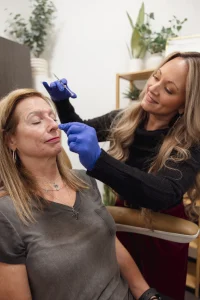
Programs that include live patient models provide real-world experience that simply cannot be replicated through online learning alone. TAMA emphasizes supervised injections on live models alongside anatomy-first instruction to help students bridge the gap between theory and clinical practice.
Step 5: Earn Your Botox Training Certificate
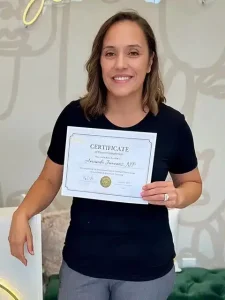
After successfully completing your training, you’ll typically receive a certificate documenting completion of the educational program.
It’s important to understand that this certificate demonstrates completion of professional injector education. It does not replace your nursing license or override state scope-of-practice regulations.
Many employers view formal injector training as an important qualification when hiring aesthetic nurses.
Medical aesthetics evolves quickly. Successful injectors continue expanding their education by learning:
- Advanced neurotoxin techniques
- Dermal fillers
- Lip enhancement
- Facial balancing
- Skin rejuvenation
- Combination treatment planning
Continuing education helps providers improve patient outcomes while expanding the services they can offer.
Where Can Nurse Injectors Work?
After completing training, many nurses pursue opportunities in:
- Medical spas
- Plastic surgery practices
- Dermatology clinics
- Cosmetic surgery centers
- Wellness clinics
- Concierge aesthetic practices
Some experienced injectors eventually become trainers, clinical educators, or med spa owners.
Skills That Make Great Botox Injectors
Technical ability is only one part of becoming successful. Patients trust injectors with their appearance, making professionalism and patient-centered care essential qualities.
The best injectors also develop:
- Strong communication skills
- Artistic judgment
- Attention to detail
- Patient education abilities
- Professional ethics
- Safety-focused decision making
How Long Does It Take to Become a Botox Injector?
The timeline for becoming a Botox injector depends on your current healthcare credentials, the type of training program you choose, and how quickly you complete both the educational and hands-on components.
For licensed nurses, foundational Botox training can often be completed within a few weeks, while developing confidence and clinical expertise continues through ongoing practice, mentorship, and advanced education. Becoming a skilled injector is a journey, and hands-on experience plays a significant role in refining your technique and patient care skills.
Why Hands-On Training Matters
Learning Botox isn’t just about understanding anatomy, it’s about applying that knowledge safely in real patient scenarios.
Programs that combine classroom education with supervised injections allow nurses to build confidence while developing proper techniques from experienced instructors.
Hands-on education also provides valuable feedback, helping new injectors improve precision, patient communication, and clinical decision-making before entering practice.
Start Your Journey with TAMA
If you’re ready to become a Botox injector in Texas, choosing the right training program is one of the most important decisions you’ll make.
At the Texas Academy of Medical Aesthetics (TAMA), healthcare professionals receive anatomy-focused education, hands-on instruction with live models, and guidance designed to prepare them for a successful career in aesthetic medicine. With training available in The Woodlands, Plano, Colleyville, Argyle, and Waxahachie, you can find a convenient option near you. Whether you’re beginning your injector journey or expanding your existing skills, quality education can provide the confidence needed to take the next step.
At the Texas Academy of Medical Aesthetics (TAMA), we offer two training pathways designed to fit different learning styles and career goals:
Online Certification Program
Our Online Certification Program combines the flexibility of self-paced learning with essential hands-on clinical experience. Students complete the online didactic coursework at home—typically over the course of a few weeks, depending on their schedule. Once the online portion is finished, you’ll coordinate a convenient date with one of our instructors to attend an in-person clinical training session where you’ll perform injections under expert supervision on live models.
This program is ideal for licensed healthcare professionals who need flexibility while still gaining valuable hands-on experience before entering practice.
Internship Program
For those seeking a more immersive learning experience, TAMA’s Internship Program provides an in-depth, approximately 12-week training experience focused on building both technical skills and clinical confidence.
In addition to comprehensive classroom education, students receive extensive hands-on mentorship, work closely with experienced injectors, participate in patient consultations and treatments, and gain exposure to the day-to-day operations of an aesthetic practice. This program is designed for healthcare professionals who want a deeper level of training before launching or advancing their careers in medical aesthetics.
Regardless of which path you choose, continued education, mentorship, and real-world experience are essential to becoming a confident, successful Botox injector.
Explore TAMA’s Training courses in detail to learn more about available programs and upcoming training dates.
Frequently Asked Questions
How long does it take to become a Botox injector in Texas?
For licensed nurses, foundational Botox training can often be completed within a few weeks. The timeline depends on your current credentials, the program you choose, and how quickly you finish both the didactic and hands-on components. Building real clinical confidence continues beyond certification through ongoing practice, mentorship, and advanced education.
Who is eligible for Botox injector training?
Eligible professionals typically include Registered Nurses (RN), Licensed Vocational Nurses (LVN) where permitted under Texas delegation rules, Nurse Practitioners (NP), Physician Assistants (PA), physicians (MD or DO), and dentists (DDS or DMD). If you’re still in nursing school, your first step is obtaining your license before pursuing aesthetic education.
Do I need a license before taking a Botox course?
Yes. You must hold an active healthcare license before administering Botox in Texas. Completing a training course does not, on its own, authorize you to inject patients.
Does a Botox certificate let me inject patients independently?
No. A training certificate documents completion of professional injector education. It does not replace your nursing license or override Texas scope-of-practice rules. In Texas, Botox is a prescription medication and a medical procedure, so providers must work within physician delegation, supervision, and documentation requirements.
What should a quality Botox training program cover?
A comprehensive program goes well beyond injection placement. Look for training in facial anatomy, patient assessment and treatment planning, product knowledge (how neurotoxins work, storage, reconstitution, and dosing), and complication management, along with Texas-specific regulatory guidance.
Why does hands-on training matter so much?
Confidence comes from supervised clinical practice, not lectures alone. Hands-on training with live models lets you practice injection techniques, patient positioning, and consultation skills while receiving instructor feedback, experience that online learning by itself cannot replicate.
Where can nurse injectors work after training?
Trained injectors pursue roles in medical spas, plastic surgery practices, dermatology clinics, cosmetic surgery centers, wellness clinics, and concierge aesthetic practices. With experience, many go on to become lead injectors, clinical trainers, practice managers, or med spa owners.
What training pathways does TAMA offer?
TAMA offers two paths. The Online Certification Program pairs self-paced online coursework with an in-person clinical session on live models, ideal for those who need flexibility. The Internship Program is a more immersive, roughly 12-week experience with extensive mentorship, patient consultations, and exposure to day-to-day practice operations.