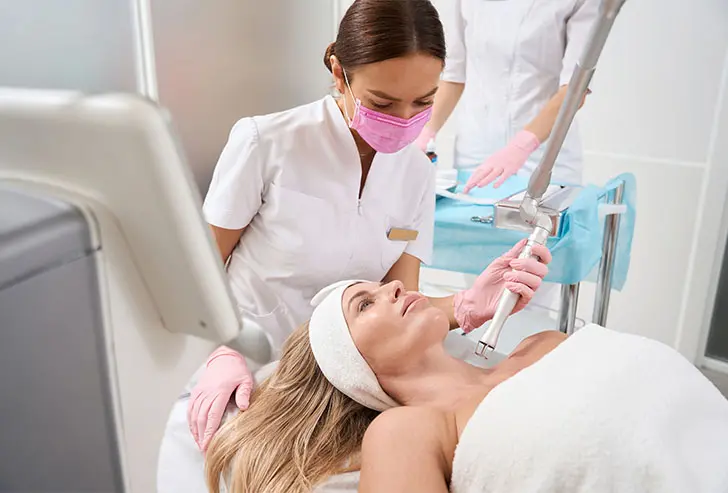
Aesthetic nursing is attracting more registered nurses than ever before. Hospital burnout is real, and the numbers behind it are hard to ignore. Nearly 100,000 registered nurses left the workforce during the COVID-19 pandemic, and surveys since then consistently show high rates of fatigue, emotional exhaustion, and intent to leave bedside roles.
What Is Aesthetic Nursing?
What Aesthetic Nurses Do Daily
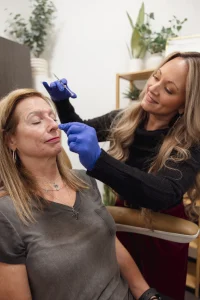
- Botox and neurotoxin injections for lines, wrinkles, and facial contouring
- Dermal fillers for volume restoration and facial structure
- Skin rejuvenation treatments including chemical peels and microneedling
- PRP treatments for skin and hair
The cosmetic nurse career is built around these procedures. Most aesthetic nurses specialize in injectables first — many begin with structured hands-on Botox training in Dallas or nearby Texas markets — and expand their service menu as their skills and client base grow.
Why More Nurses Are Choosing Careers in Aesthetic Medicine
Hospital nursing is physically and emotionally demanding at a level that is difficult to sustain long term. Twelve-hour shifts, overnight rotations, high patient-to-nurse ratios, and repeated exposure to trauma and loss accumulate over years of practice. Burnout affects an estimated 35% to 45% of nurses, with emotional exhaustion identified as the most prevalent component.
Beyond the day-to-day experience, aesthetic nursing opens entrepreneurial pathways that hospital employment does not. Nurses who build a client base can move into independent practice, launch their own med spa, or develop a personal brand that generates income through multiple channels. Some providers also expand into specialized areas such as a penile injections training course to broaden their service offerings.
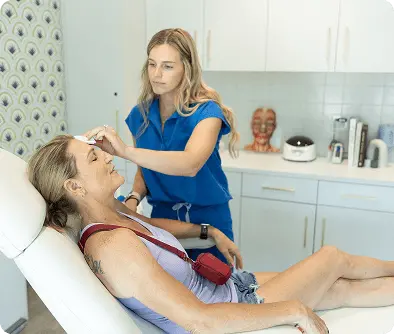
How Much Do Aesthetic Nurses Make?
Average Aesthetic Nurse Salary
Entry-level nurse injectors employed at a med spa typically earn between $60,000 and $80,000 annually, depending on location and compensation structure. Experienced injectors with an established patient base earn significantly more, according to U.S. Bureau of Labor Statistics data on nursing wages. Nurses who move into independent practice or partial ownership structures regularly reach six-figure income.
| Career Type | Average Annual Income Potential |
| Hospital RN | $70,000 to $85,000 |
| ICU Nurse | $80,000 to $100,000 |
| Employed Nurse Injector | $70,000 to $110,000 |
| Independent Aesthetic Nurse | $100,000 to $200,000+ |
Geographic variation is real. Urban markets in Texas, California, Florida, and the Northeast support higher pricing and higher injector compensation. In Texas specifically, fast-growing metros like Austin and Plano support strong demand for trained injectors. Smaller markets may pay less per treatment but often carry lower overhead costs for independent practitioners.
The Real Work-Life Balance of Aesthetic Nursing
Pros of Becoming an Aesthetic Nurse
The med spa industry has expanded consistently over the past decade. Non-surgical aesthetic treatments have moved from a luxury niche into mainstream healthcare spending. That shift has increased demand for trained injectors and aesthetic professionals across every market in the country, including communities like Colleyville and Argyle.
Challenges and Cons of Aesthetic Nursing
Is Aesthetic Nursing Financially Worth It?
The return on investment for nurse injector training is strong relative to the cost and time involved. A foundational Botox and filler certification program takes days to complete, not years. The skills acquired translate directly into billable services from the first week of practice.
How to Start an Aesthetic Nursing Career
Step 1: Maintain an Active Nursing License
An active RN or NP license is the non-negotiable starting point. All injectable and aesthetic procedures in Texas require licensed medical professional credentials or operation within a physician-supervised delegation framework. Confirm your license is in good standing with the Texas Board of Nursing before enrolling in any training program.
Step 2: Enroll in Professional Nurse Injector Training
Hands-on Botox training and dermal filler certification are the clinical foundation of the aesthetic nursing career. The right program — such as Botox training in Fort Worth — covers facial anatomy, injection technique, patient consultation, contraindication review, and complication management through live patient practice.
Aesthetic nurse training at TAMA through InjectorTraining.org is built around that clinical foundation. Programs cover foundational Botox and filler technique, advanced injectables, facial anatomy, and the business framework needed to launch and grow an aesthetics practice. Nurses who prefer to start remotely can also begin with the best online Botox training before attending in person.
Step 3: Gain Experience and Build Confidence
Early-career aesthetic nurses benefit from employed positions at established med spas or clinics — in markets such as Waxahachie and The Woodlands — before moving into independent practice. Employed roles provide a patient base, equipment access, and peer support while clinical skills and speed develop. Most experienced injectors recommend spending at least a year in a structured clinical environment before opening an independent practice.
Step 4: Grow Your Personal Brand
How InjectorTraining.org Helps Nurses Succeed in Aesthetics
Ready to explore a career in aesthetic nursing? Discover hands-on injector training programs at InjectorTraining.org and take the first step toward a career that works on your terms.
Conclusion
Explore TAMA’s aesthetic nurse training and nurse injector certification programs — from Austin to Plano — at InjectorTraining.org to find out which program fits your background and goals. The admissions team is available to answer questions and walk you through the options.
FAQ
Is aesthetic nursing a good career?
How much do aesthetic nurses make?
Can aesthetic nurses make six figures?
Is aesthetic nursing less stressful than hospital nursing?
Do you need Botox certification to become an aesthetic nurse?
How long does nurse injector training take?
Is aesthetic nursing in demand?
What are the disadvantages of aesthetic nursing?