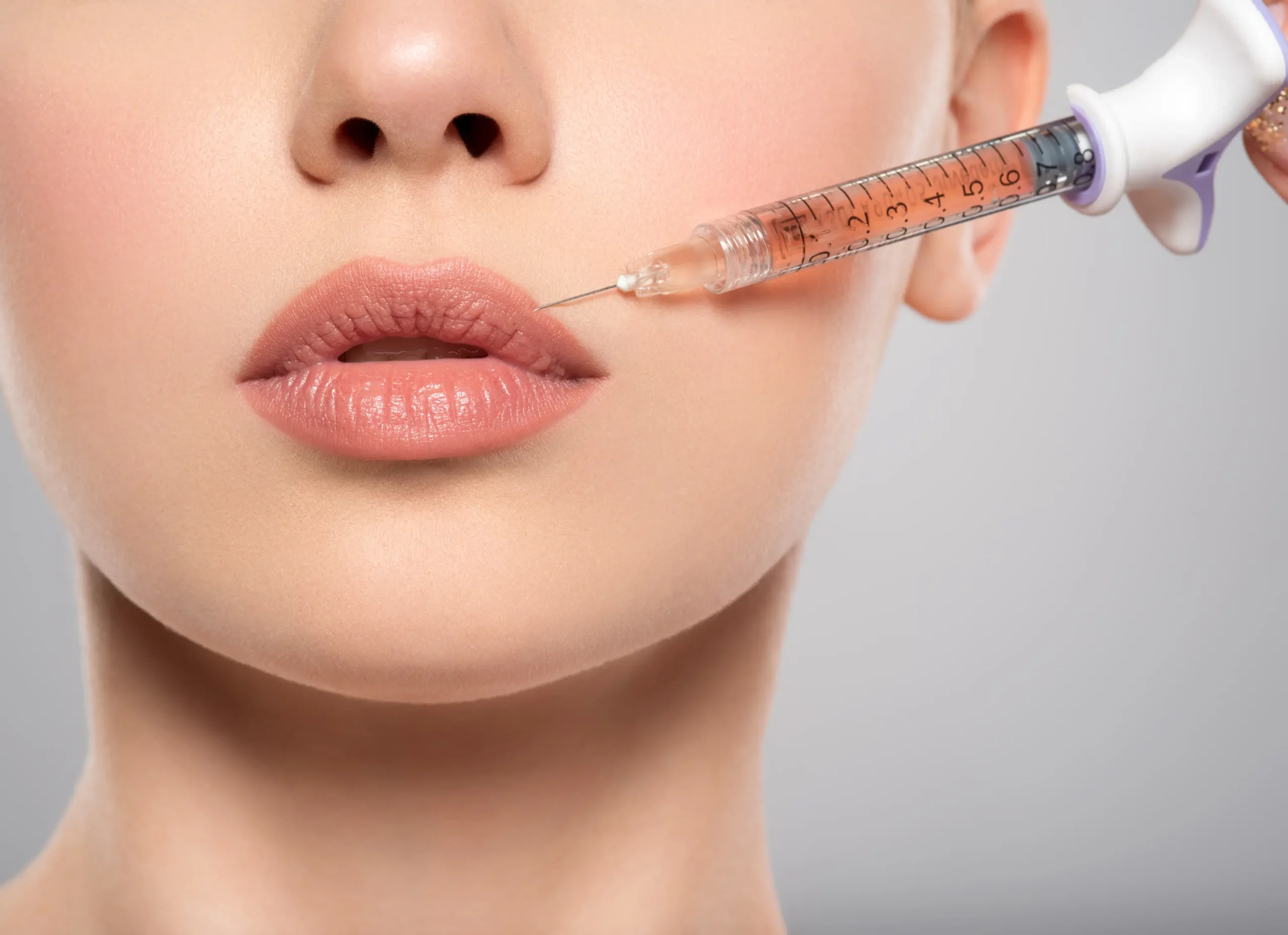
When Kylie Jenner admitted to lip fillers back in 2015, she didn’t just confess a beauty secret :- she launched an entire industry trend. For nearly a decade, “the Kylie Effect” defined who walked into a med spa: young women in their twenties chasing an oversized pout. But in 2026, that picture has completely changed. Lip filler has quietly evolved from a celebrity chasing fad into a mainstream wellness ritual embraced by men, mothers, retirees, and professionals across nearly every age bracket.
If you’re a nurse, physician assistant, dentist, or aesthetic practitioner, understanding this demographic shift isn’t just interesting :- it’s essential to building a thriving injector practice. Here’s what the 2026 data reveals about who’s actually sitting in your treatment chair today.
The Numbers Tell a Surprising Story
According to the American Society of Plastic Surgeons, lip augmentation with injectable materials hit roughly 1.45 million procedures in 2024, ranking among the top five minimally invasive treatments in the U.S. And neuromodulators like Botox grew another 4% year-over-year, while hyaluronic acid fillers — the gold standard for lips :- continued to expand their market share.
But the real story isn’t volume. It’s who is getting treated.
In 2024 to 2025, women aged 40 to 54 still represented the largest single age bracket for dermal fillers overall. Yet the fastest-growing segment is consumers aged 18–34, and now men of all ages. The U.S. Food and Drug Administration currently approves dermal fillers for patients 22 and older, and the demographic spread within that legal range has never been wider.
This diversification is exactly why structured education matters. Practitioners trained through programs like the best online Botox training are now consulting with patient profiles their predecessors never imagined.
Goodbye Kylie Pout, Hello “Lip Refinement”
The first big shift is aesthetic. The 2020s overfilled “duck lip” is officially dead. Industry surveys show that about 65% of adults aged 18–25 now prefer subtle, natural-looking lip enhancement over dramatic volume. Practitioners across the country are reporting the same conversation in consultations: clients walk in asking for hydration, definition, and balance not visible filler.
This has led to entirely new injection methodologies for 2026, including:
- Micro-shaping and microdosing — distributing tiny aliquots across anatomical subunits
- Staged treatment protocols — building volume gradually over multiple sessions
- Vertical submucosal techniques — restoring shape rather than adding bulk
- The Inverted Mercedes-Benz method — a three-point cannula approach for natural contour
Patients are no longer “buying syringes.” They’re buying refinement, anatomy-respecting results, and the freedom to keep their existing facial identity. Programs such as those offered through Botox training courses in Dallas, Texas now emphasize these advanced techniques alongside foundational injection skills.
Demographic Shift #1: Millennials Lead, Gen Z Follows Their Own Path
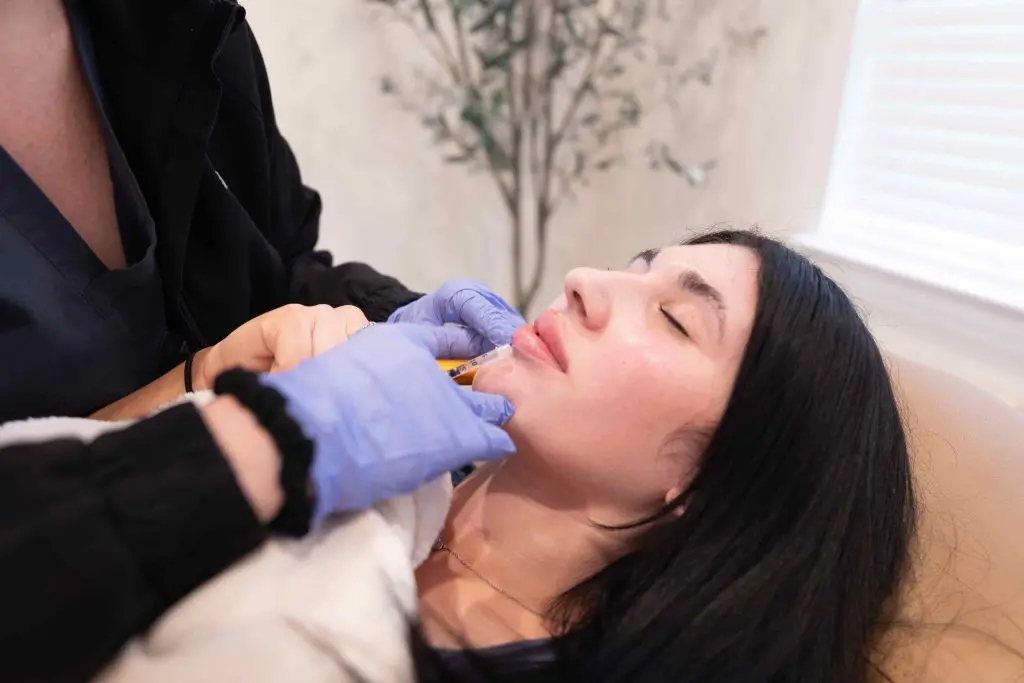
Millennials :- now in their thirties and early forties : remain the engine of the lip filler market. Roughly 33% pursue lip treatments for purely aesthetic reasons, while another 21% time appointments around special occasions like weddings, reunions, or anniversaries. Most learn about treatments through trusted friends, family, or their primary care network.
Generation Z (ages 12 to 27 in 2026) approaches the treatment room very differently. About 37% of Gen Z clients first learn about lip filler on TikTok or Instagram, and a notable 22% say their primary motivation is confidence, not appearance. They want subtle enhancement, they want it reversible, and they want clinicians who understand the language of social media.
Smart injectors in growing markets like Austin are adapting accordingly. The injector community served by Austin, Texas Botox training has been notably proactive about teaching consultation skills tailored to younger, social-media-fluent patients.
Demographic Shift #2: The Quiet Rise of Male Injectables
Perhaps the most dramatic 2026 trend is men. According to ASPS data, minimally invasive procedures in men grew 253% since 2019, and dermal filler use among men jumped 70% in just three years. Some clinics report male lip enhancement demand has surged more than 60%, with new terminology like “manjectables” entering the aesthetic lexicon.
What’s driving it? Three forces converged:
- The Zoom effect — years of video calls made men intensely aware of their own faces
- Reduced stigma — male grooming is now a $60+ billion industry pipeline
- Better technique — modern injectors deliver masculine refinement, not feminization
Male lip filler in 2026 isn’t about plumpness. It’s about correcting age-related thinning, defining the vermillion border, and balancing facial proportions. Practices in suburban hubs like those served by Botox training in Plano, Texas and Colleyville, Texas report male patients now make up 10–15% of their lip filler appointments – a number that was effectively zero in 2018.
Demographic Shift #3: Mature Patients Reclaiming Volume
The third overlooked group: patients aged 55 and older. As natural collagen and hyaluronic acid production decreases with age, the lips thin, lose definition, and develop perioral lines. Mature patients now arrive seeking restoration rather than augmentation :- looking to recover the lip volume they had at 35, not create something new.
This subgroup is especially valuable to practices because they:
- Schedule consistent maintenance appointments every 6 to12 months
- Often combine lip treatment with Botox, skin resurfacing, and biostimulators
- Refer friends within tight social networks
Communities surrounding Fort Worth, Texas, Argyle, Texas, and Waxahachie, Texas with their mix of established residents and incoming professionals :- represent exactly the kind of regional market where mature-patient demand is growing fastest.
Demographic Shift #4: Suburban and Regional Expansion
The geographic shift is just as important as the age shift. For years, injectables were concentrated in coastal urban centers. In 2026, suburban med spas and regional clinics are driving the biggest revenue gains. Communities like The Woodlands, Texas reflect a national pattern: high-income suburban populations now have access to highly trained injectors closer to home, eliminating the need to travel to flagship metropolitan clinics.
This decentralization means more injectors are needed, in more places :- creating significant opportunity for clinicians willing to invest in proper certification and training.
What This Means for Aesthetic Practitioners
The 2026 patient pool is no longer a single demographic :- it’s at least four overlapping groups, each with different motivations, communication preferences, and clinical needs. Successful injectors are the ones who:
- Master subtle, anatomy-respecting techniques (not maximum-volume injection)
- Train across patient types :- male, female, young, mature
- Maintain rigorous safety standards using only FDA-approved fillers
- Stay current with new injection protocols and product approvals
- Build location-specific marketing for their suburban patient base
If you’re considering entering the aesthetic injection field or expanding what you currently offer:- comprehensive hands-on certification has never mattered more. Explore the complete range of programs available at InjectorTraining.org to find the certification path that matches your professional goals and local market.
The Bottom Line
The “Kylie era” of lip filler is over. The Kardashian Effect launched the industry, but the Zoom effect, social-media-savvy Gen Z, the male grooming revolution, and an aging Boomer population have all converged to redefine who gets injected , and why.
For practitioners, this isn’t a threat. It’s the largest demographic expansion the aesthetic industry has ever seen. The patients of 2026 are more diverse, more informed, and more interested in subtle artistry than ever before. The clinicians who succeed will be the ones who train deliberately, communicate empathetically, and treat each patient :- not each trend.
Lip filler isn’t just for Kylie fans anymore. It’s for everyone ,and that’s exactly what makes 2026 the most exciting year the injectable industry has ever seen.