New in the med spa industry and came across the debate around pdgf vs prp yet puzzled with how they differ? It’s important to know and remember that both are used in regenerative aesthetics. Both focus on growth factors. Yet they are not the same.
Understanding pdgf vs prp helps you choose the right regenerative treatment for your aesthetic medicine menu. It also prepares you to answer client questions about results, downtime, and value.
In this guide, we will break down pdgf vs prp, explain the growth factors in PRP, review pdgf injections before and after expectations, and clarify what’s the difference between these two approaches.
Understanding PRP
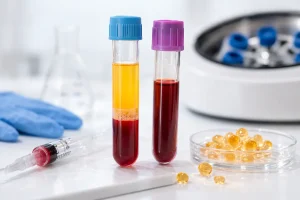
PRP stands for platelet-rich plasma. It is a regenerative medicine treatment created from the patient’s own blood.
The process includes:
- A blood draw
- Using a centrifuge to separate components
- Concentrating platelets and growth factors
PRP contains a mix of platelets and growth factors that stimulate tissue repair and collagen production. These growth factors in PRP include platelet-derived growth factor, vascular endothelial growth factor, and transforming growth factor.
The growth factors in PRP support the body’s natural healing process. PRP helps stimulate collagen and elastin, enhance skin rejuvenation, and improve fine lines.
PRP treatments are often combined with microneedling treatment or laser treatments to boost collagen and tissue regeneration.
Growth Factors in PRP Explained
Growth factors in PRP are proteins that stimulate cell growth and tissue repair. These include platelet-derived growth factor, vascular endothelial growth factor, and transforming growth factor.
Growth factors in PRP support:
- Collagen production
- Formation of new blood vessels
- Natural healing process
- Tissue regeneration
PRP helps because it uses the body’s natural healing response. However, variability in platelet concentration of platelets and number of growth factors can impact results. This variability is one of the main discussion points in pdgf vs prp comparisons.
Understanding PDGF
PDGF stands for platelet-derived growth factor. PDGF is one of the key growth factors found naturally in platelet-rich plasma. However, in the pdgf vs prp comparison, PDGF products refer to pharmaceutical-grade formulations that isolate this single growth factor.
In aesthetics, PDGF products such as Ariessence Pure PDGF provide a pure and sterile pharmaceutical product. Ariessence PDGF vs traditional PRP is a common discussion in regenerative aesthetics.
Unlike PRP, which requires a blood draw and centrifuge to separate components, PDGF is manufactured under controlled conditions. It produces a pure and sterile product with a high concentration of growth factor activity. PDGF in aesthetics is used to stimulate collagen production, tissue regeneration, and hair follicle stimulation.
PDGF vs PRP: What’s the Difference?
When new med spa owners ask what’s the difference or what is the difference between prp and pdgf, the answer comes down to source and concentration.
Here is a simplified breakdown of pdgf vs prp:
- PRP contains a mix of growth factors
- PDGF is one specific growth factor
- PRP requires a blood draw
- PDGF products are pharmaceutical-grade
- PRP contains variability based on patient biology
- PDGF offers a controlled concentration of growth
In pdgf vs prp, PRP contains a mix of platelets and growth factors. PDGF may deliver a more consistent number of growth factors per treatment. Understanding the difference between prp and pdgf is critical when building a regenerative treatment menu.
PDGF vs PRP for Hair Restoration
Hair restoration is a key area in the pdgf vs prp debate.
PRP treatments for hair loss use platelets and growth factors to stimulate hair follicles. PRP helps trigger hair follicle stimulation and hair growth.
PDGF also supports hair growth by directly stimulating cell growth and formation of new blood vessels around hair follicles.
In pdgf vs prp for hair restoration:
- PRP relies on natural variability
- PDGF offers a standardized concentration of growth factors
- PRF is another option that some providers compare
PDGF and PRP both support regenerative medicine approaches for hair thinning. The choice depends on budget, patient preference, and clinic positioning.
Treatment Experience and Downtime
Both PDGF and PRP are considered regenerative treatment options with minimal downtime.
PRP involves:
- Blood draw
- Centrifuge processing
- Injection or topical application during microneedling
PDGF treatments like Ariessence Pure PDGF do not require a blood draw. This can simplify workflow for new med spa owners.
Downtime is typically mild. Swelling or redness at the injection site may occur, especially when combined with microneedling.
PDGF Injections Before and After: What to Expect
When reviewing pdgf injections before and after photos, providers often note improvement in skin texture, collagen density, and hair growth.
Common expectations from pdgf injections before and after include:
- Enhanced skin rejuvenation
- Reduction in fine lines
- Boost collagen and elastin
- Improved hair thinning areas
Because PDGF plays a critical role in tissue regeneration, pdgf injections before and after results may appear more consistent compared to PRP in some patients. However, outcomes still depend on treatment plan and technique.
Benefits of PDGF vs PRP
When evaluating benefits of pdgf vs prp, consider operational and clinical factors.
PRP benefits:
- Uses naturally occurring growth factors
- Appeals to patients seeking natural healing
- Widely recognized in regenerative medicine
PDGF benefits:
- Pharmaceutical-grade consistency
- Higher concentration of growth factor activity
- No blood draw required
- Streamlined workflow
PDGF plays a key role in regenerative aesthetics because it offers predictable concentration of growth factors than prp in some formulations.
Regulatory and Clinical Considerations
New med spa owners should also review compliance. PRP involves handling blood products, which means following proper PRP compliance guidelines, including blood draw protocols, centrifuge use, and infection control standards. This requires formal training, appropriate equipment, and clear documentation procedures.
PDGF isn’t a replacement for all regenerative treatments like PRP. However, providers must also understand PDGF compliance, especially when using pharmaceutical-grade products in aesthetic medicine. Clear knowledge of regulatory standards protects your license, your patients, and your business.
Making the Right Choice for Your Med Spa
When comparing pdgf vs prp, ask:
- What is your patient demographic?
- Do clients prefer natural healing approaches?
- Do you want consistent concentration of growth factors?
- Are you prepared to manage blood draw protocols?
PDGF vs PRP is not about which is superior. It is about matching the right regenerative treatment to your business model and patient needs.
How TAMA Supports Regenerative Aesthetics Training
After you understand the difference between PDGF and PRP and evaluate the needs of your medical spa, you may decide that PRP aligns better with your patient base and brand positioning.
If you choose to focus more on the PRP side of regenerative medicine, Texas Academy of Medical Aesthetics (TAMA) offers a dedicated PRP injections training course designed for aesthetic providers.
Training covers:
- Growth factors in PRP
- Injection technique
- Microneedling integration
- Hair restoration protocols
- Treatment planning in aesthetic medicine
This course provides structured, online and hands-on instruction in PRP preparation, centrifuge protocols, injection technique, and treatment integration for skin rejuvenation and hair restoration. With proper training, you can safely add PRP treatments to your service menu and expand your regenerative aesthetics offerings with confidence.
TAMA also provides med spa consulting services guiding new and expanding medspas navigate into the medspa industry.
FAQs
What are the main differences between PDGF and PRP treatments?
The main difference in prp vs pdgf is composition and preparation. PRP uses a patient’s own blood to create a mix of platelets and growth factors, while PDGF is a purified, pharmaceutical-grade growth factor product. Many questions about PDGF focus on how it is manufactured and what makes PDGF different from treatment with PRP in regenerative and cosmetic settings.
What do pdgf injections before and after results show?
PDGF injections before and after photos often show improved skin rejuvenation, collagen production, and hair growth.
How do growth factor concentrations differ in these therapies?
PRP contains a variable concentration of growth factors depending on the patient and centrifuge process. PDGF products are standardized and may deliver multiple times the growth factor concentration of some PRP systems. This consistency is one reason providers compare PRP vs PDGF in regenerative aesthetics.
Which is more effective for joint pain, PDGF or PRP?
Both therapies are used in regenerative medicine, but effectiveness depends on the condition and protocol. Treatment with PRP relies on the body’s natural healing response, while PDGF delivers a targeted growth factor that may offer higher consistency. Clinical outcomes vary, and providers should evaluate patient needs before choosing PRP vs PDGF.
How do PDGF and PRP compare for skin rejuvenation products?
In cosmetic applications, PRP supports collagen production using a natural mix of growth factors. PDGF products, like PDGF based serums or injections, may provide several times the growth factor concentration compared to standard PRP preparations. This difference can impact how quickly collagen and elastin respond.
How are PDGF injections vs PRP for hair loss results?
For hair loss, treatment with PRP stimulates hair follicles using platelets and growth factors from the patient’s blood. PDGF injections work in a similar way, like PDGF targeting specific cell growth pathways involved in hair follicle stimulation. Results depend on protocol, concentration, and patient response.
How do you compare recovery time after PDGF or PRP procedure?
Recovery time for both treatments is usually minimal. Mild swelling or redness may occur after injection, especially in cosmetic procedures. In most cases, downtime is similar, though individual response and technique can influence healing.
How can Texas Academy of Medical Aesthetics help me understand pdgf vs prp?
Texas Academy of Medical Aesthetics (TAMA) offers a dedicated PRP injections training course designed for aesthetic providers when you decide whether your med spa wants to focus on prp treatment. TAMA also provides med spa consulting services.