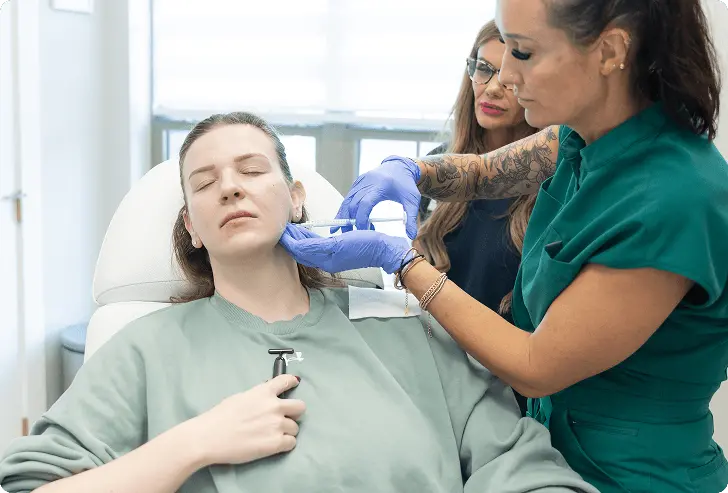
The aesthetic injectables industry is booming. With non-surgical cosmetic procedures projected to grow rapidly through 2034, more healthcare professionals than ever are exploring careers as Botox and dermal filler injectors. But before you dive in, you need to answer one crucial question: should you pursue this career as a Registered Nurse (RN), Nurse Practitioner (NP), or Physician Assistant (PA)?
Each path offers unique advantages, salary potential, scope of practice, and autonomy. In this guide, we’ll break down the differences between RN, NP, and PA injector career paths so you can choose the route that fits your goals, lifestyle, and ambitions.
What Is an Aesthetic Injector?
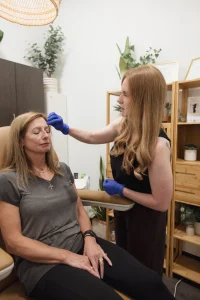
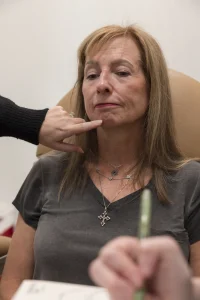
An aesthetic injector is a licensed medical professional who administers cosmetic injectables such as Botox, dermal fillers, Kybella, and biostimulators like Sculptra. Injectors work in medical spas, dermatology clinics, plastic surgery practices, and increasingly in their own private practices.
To legally inject in the United States, you must hold an active medical license — typically as an RN, NP, or PA — and complete specialized training. If you’re ready to start your journey, Injector Training offers some of the most comprehensive hands-on programs in Texas and online.
The RN Injector Career Path
A Registered Nurse is the most common entry point into aesthetic injecting. To become an RN, you must complete an Associate Degree in Nursing (ADN) or a Bachelor of Science in Nursing (BSN), then pass the NCLEX-RN exam.
Scope of Practice
RNs cannot independently prescribe Botox or fillers. Instead, they must work under the delegation and supervision of a physician, NP, or PA who performs the patient evaluation and writes the prescription. According to the U.S. Bureau of Labor Statistics, RNs earn a median salary of $93,600 per year — but aesthetic RNs often earn significantly more through commission-based pay structures at medical spas.
Pros of the RN Path
- Fastest route into aesthetics (2–4 years of education)
- Lower student debt compared to NP or PA programs
- Strong demand at medical spas nationwide
- Hands-on patient care experience
Cons
- Cannot own a medical spa independently in most states
- Requires a supervising physician or medical director
- Limited prescriptive authority
If you’re an RN in Texas exploring aesthetic training, programs like Botox training in Dallas and Botox training in Fort Worth provide the live-model, hands-on experience that medical boards prefer over online-only courses.
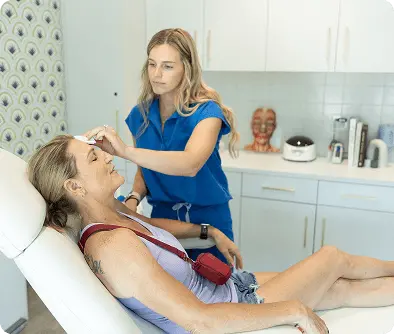
The NP Injector Career Path
A Nurse Practitioner is an Advanced Practice Registered Nurse (APRN) with a master’s (MSN) or doctoral (DNP) degree. NPs are certified through organizations like the American Association of Nurse Practitioners (AANP) and have far broader practice authority than RNs.
Scope of Practice
In many states, NPs have full practice authority, meaning they can independently evaluate patients, prescribe injectables, and even open their own medical practices. According to the BLS, the median annual wage for nurse practitioners was $129,210 as of May 2024, and the field is projected to grow 46% from 2023 to 2033 — one of the fastest-growing careers in the U.S.
Pros of the NP Path
- Higher earning potential ($130,000–$250,000+ annually)
- Ability to own and operate medical spas in many states
- Greater autonomy and prescriptive authority
- Practice ownership opportunities
Cons
- Requires 6–8 years of education
- Higher student loan burden
- More clinical responsibility and liability
NPs across Texas often expand their aesthetic skills through advanced programs like Botox training in Austin and Botox training in Plano, where they learn business essentials alongside injection technique.
The PA Injector Career Path
Physician Assistants (PAs), also known as Physician Associates, are medically trained healthcare providers certified by the National Commission on Certification of Physician Assistants (NCCPA). PAs complete a master’s-level program rooted in the medical model, similar to physician training but compressed.
Scope of Practice
PAs always work under physician delegation, but the relationship varies by state. In aesthetics, PAs can perform consultations, prescribe injectables, and administer treatments. Per the BLS, the median PA salary is $133,260 as of May 2024, with projected growth of 28% from 2023 to 2033.
Pros of the PA Path
- Strong medical training and broad clinical knowledge
- High starting salary
- Excellent job security
- Respected credential in aesthetic medicine
Cons
- Always requires a collaborating or supervising physician
- Cannot independently own a medical practice in most states (unlike NPs)
- Highly competitive PA school admissions
PAs looking to specialize often pursue advanced certifications and intensive programs like Botox training in The Woodlands or Botox training in Colleyville.
RN vs NP vs PA: Side-by-Side Comparison
| Factor | RN | NP | PA |
|---|---|---|---|
| Education | 2–4 years | 6–8 years | 6–7 years |
| Median Salary (2024 BLS) | $93,600 | $129,210 | $133,260 |
| Prescriptive Authority | No | Yes | Yes (with physician) |
| Can Own Medspa? | No | Yes (most states) | No (most states) |
| Supervision Required? | Yes | Varies by state | Yes |
| Time to Career Entry | Fastest | Moderate | Moderate |
Which Career Path Pays More?
While PAs and NPs earn similar median salaries, NPs in aesthetics often out-earn both RNs and PAs — primarily because they can own their own practices. Practice-owning NPs in major metro areas regularly earn $160,000–$250,000+ annually.
That said, top-performing aesthetic RNs working on commission at busy medical spas can rival NP earnings, especially in high-demand markets like Dallas, Austin, and Houston. Explore localized training opportunities like Botox training in Argyle and Botox training in Waxahachie to start building your client base.
State Regulations Matte
Every state has its own scope of practice laws. For example, Texas requires a physician medical director to delegate injectable procedures through a formal Physician Assistant Agreement (PAA), and a physician, PA, or APRN must be on-site or immediately available during procedures.
Always check with your state board of nursing or medical board before practicing.
How to Get Started: Training Is Non-Negotiable
Regardless of your license type, proper aesthetic training is the most important step in your career. Many state boards do not consider online-only courses sufficient because injection requires hands-on technique, anatomy mastery, and complication management.
For busy professionals, hybrid options like the Best Online Botox Training program combine theoretical learning with in-person practical sessions — giving you flexibility without sacrificing quality.
Final Thoughts: Which Path Is Right for You
- Choose RN if you want the fastest, most affordable entry into aesthetics and don’t mind working under supervision.
- Choose NP if you want maximum autonomy, the highest earning ceiling, and the option to own a medical spa.
- Choose PA if you prefer a medical-model education and want strong clinical credentials with excellent compensation.
Whatever path you choose, the demand for skilled aesthetic injectors continues to skyrocket. Investing in high-quality, hands-on training is the single best decision you can make for your career.
Ready to take the next step? Enroll now Injector Training to explore certification programs designed specifically for RNs, NPs, and PAs across Texas and beyond.