If you have ever wondered what it takes to work in aesthetics and perform Botox injections, you are definitely not alone. Many nurses and other medical professionals are looking for a career that feels more flexible, creative, and still grounded in healthcare. Becoming a Botox injector gives you exactly that kind of path. You get to blend science, artistry, and patient care while building a rewarding career that continues to grow every year.
Below is a simple, straightforward guide that explains how to become a Botox injector, what kind of degree you need, how to get certified in Botox, and what a good Botox training course should include. This guide also explains why hands-on training and proper supervision matter, especially when you are learning how to administer Botox injections safely.
What Does a Botox Injector Do
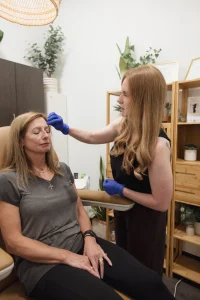
A Botox injector is a licensed medical professional who performs Botox injections and sometimes dermal filler treatments. Their work goes beyond simply placing an injection. Injectors assess facial anatomy, review a patient’s goals, explain the risks of Botox, and then inject Botox in a way that achieves natural results.
Daily tasks usually include:
- Talking to patients about cosmetic treatments
- Assessing muscles and facial structure
- Planning injection patterns
- Performing Botox injections and sometimes dermal fillers
- Documenting the treatment and giving aftercare instructions
Many Botox injectors work in medical spas, dermatology clinics, or private practices. Some eventually open their own aesthetic businesses, depending on what their state laws allow.
Who Can Become a Botox Injector
Not everyone can legally administer Botox. A Botox injector must be a licensed medical professional. Requirements vary by state, but the following professionals are typically allowed to inject:
- Registered Nurses: A registered nurse can perform injections under the supervision of a licensed provider in many states.
- Nurse Practitioners: A nurse practitioner can often perform injections with more independence. In some states, NPs can open their own clinics and legally administer Botox injections.
- Physician Assistants: A PA can perform Botox injections but usually requires a supervising physician. The exact rules depend on your state.
- Physicians (MD or DO): Physicians have full authority to inject and supervise others who provide injectable treatments.
- Dentists: A dentist can sometimes give Botox injections related to TMJ, bruxism, or cosmetic treatments. This depends on each state board.
If you are unsure about your own eligibility, the safest approach is to check with your state board or speak with an accredited training program.
Steps to Become a Botox Injector
Here is a clear, simple breakdown of what you need to do if you want to become a Botox injector.
1. Understand Your State’s Requirements
Every state sets its own Botox certification requirements. State boards determine who can perform injections, how much supervision is needed, and whether you can open your own aesthetic practice. Some states are very strict; others are more flexible.
Before enrolling in a Botox training course, always check your local rules to confirm:
- Who can legally inject
- What level of supervision is required
- Whether you need additional training hours
- What type of facility you are allowed to work in
This will help you stay compliant with state laws and avoid mistakes early in your career.
2. Get the Correct Medical Degree
To legally administer Botox, you must be a licensed medical professional. That means you need one of the following degrees or credentials:
- RN
- NP
- PA
- MD or DO
- DDS or DMD
If you still need to obtain your degree, the common paths look like this:
- Become a registered nurse through an ADN or BSN.
- Become a nurse practitioner through a master’s or doctoral program.
- Complete a physician assistant program.
- Complete medical school and residency.
- Complete dental school.
Once you hold your license, you can enroll in a Botox certification course.
3. Enroll in a Botox Training Course with Hands-On Training
Hands-on training is the most important part of learning how to give Botox injections. Watching videos or practicing on mannequins will not prepare you to inject real patients.
A good Botox training course should offer:
- Hands-on training with live models
- Injection training that teaches mapping, depth, and angle
- Facial anatomy guidance
- Safety and complication management
- Botox and dermal filler training options
- Certificates you can use for employment
- Supervision from licensed instructors
- Business and practice-building support
Why Many Students Choose the Texas Academy of Medical Aesthetics (TAMA)
TAMA is a trusted school for Botox injection training and dermal filler training. Students choose this academy because:
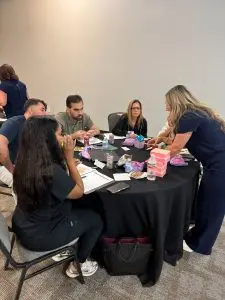
- Classes are very hands-on.
- You practice injecting Botox on real models.
- The instructors are experienced aesthetic injectors.
- The training covers anatomy, safety, and cosmetic techniques.
- You receive help understanding state requirements and supervision.
- You get support even after the training course ends.
4. Practice Under Supervision if Your State Requires It
Some states require new injectors to complete injections under the supervision of a licensed provider. This is a normal part of becoming a certified Botox injector and gaining confidence.
During supervised practice, you will:
- Get comfortable with different injection sites
- Learn how to adjust treatment plans based on a patient’s anatomy
- Manage touch-ups and follow-ups
- Build your portfolio of before and after photos
- Improve your consultation skills
Over time, you will start to inject more independently as your state allows.
5. Consider Additional Training in Fillers and Other Cosmetic Treatments
Most injectors do not stop with Botox. Adding dermal filler training or combined training programs helps you:
- Increase your income
- Offer more cosmetic treatments
- Attract more patients
- Build a successful career in medical aesthetics
Many injectors eventually expand into PRP, microneedling, lasers, and other services.
6. Build Experience and Start Your Career
Once you complete your Botox training and meet your state’s supervision rules, you can begin working as a Botox injector.
Injectors typically work in:
- Medical spas
- Dermatology clinics
- Plastic surgery practices
- Dental offices
- Wellness clinics
Some medical professionals eventually open their own aesthetic practice after understanding the legal requirements in their state.
How Long Does It Take to Become a Botox Injector
If you already have a medical license, you can complete Botox certification training in just a few days. Developing confidence usually takes a few weeks to a few months, depending on how often you practice.
If you still need to obtain your degree, your timeline depends on your education program.
How Much Does Botox Training Cost
Injector training costs vary across the country, but typical pricing looks like this:
- Botox only: $1,200 to $3,500
- Botox and dermal filler training: $2,500 to $4,500
- Advanced injectable programs: $3,000 to $6,000
Programs with more hands-on training usually cost more because they provide real patient models.
How Much Do Botox Injectors Earn
The income of Botox injectors depends on your license, experience, and where you work.
- RNs: $70,000 to $120,000
- NPs and PAs: $120,000 to $200,000
- Physicians: $250,000 or more
- Independent injectors: can earn $150,000 to $500,000 depending on patient volume
Injectors often appreciate the flexibility and the creative nature of cosmetic injections.
A Final Note on Becoming a Botox Injector
Anyone who wants to become a Botox injector needs proper training, hands-on experience, and a clear understanding of state laws. Botox certification is essential because Botox injections require precision and knowledge of facial anatomy.
The best way to build a successful career in medical aesthetics is to enroll in an accredited training program that teaches you how to inject Botox safely and confidently.
If you want to learn the way real injectors train, the Texas Academy of Medical Aesthetics (TAMA) is the right place to start.
TAMA provides hands-on practice, anatomy-focused techniques, and live model training that prepares you to safely administer Botox injections with confidence. Whether you are an RN, NP, PA, or MD, TAMA gives you the skills and support you need to become a certified Botox injector and build a successful career in aesthetics.
FAQs
1. Who is allowed to administer Botox injections?
Only a licensed medical professional, such as a registered nurse, nurse practitioner, physician assistant, physician, or dentist, can legally administer Botox injections. Rules vary by state, so always check your local board requirements.
2. Do I need a specific degree to become a Botox injector?
Yes. You must hold a relevant medical degree, such as nursing, medicine, dentistry, or PA studies, before you can enroll in a Botox certification course. Non-medical individuals cannot legally perform injections.
3. How do I get certified to do Botox injections?
You can get certified by completing an accredited Botox training course that includes facial anatomy, safety, and hands-on training with live models. After completing the program, you receive a certificate showing you are trained to perform Botox injections.
4. How long does Botox certification training usually take?
Most introductory Botox training courses can be completed in one to two days, although gaining confidence with injections may take several weeks of hands-on practice.
5. What is included in a typical Botox training course?
A good training program covers facial anatomy, patient assessment, injection mapping, safety, risks of Botox, complication management, Botox and dermal filler basics, and hands-on practice under supervision.
6. Can a registered nurse become a certified Botox injector?
Yes. A registered nurse can become a certified Botox injector after completing proper injection training. Some states require RN supervision by a licensed provider when performing cosmetic injections.
7. How much does Botox training cost for medical professionals?
Costs vary by program. Most Botox and dermal filler training courses range from $1,200 to $4,500 USD, depending on location, hands-on practice, and the level of training.
8. Do I need hands-on training to learn how to inject Botox safely?
Yes. Hands-on training with real models is essential. It teaches you proper injection depth, angle, muscle assessment, and how to perform injections safely and confidently.
9. Can I start working right after I get certified in Botox?
If your state allows it, you can begin giving Botox injections as soon as you complete certification. Some states require supervision or a medical director for new injectors.
10. What other training should I take besides Botox?
Many injectors take dermal filler training, PRP, microneedling, or laser courses to expand their services. Additional training helps you build a successful career in medical aesthetics and attract more patients.