Online learning has transformed healthcare education in recent years, creating new options for nurses pursuing aesthetic injector training. Video-based courses, virtual seminars, and digital certification programes promise convenient, affordable pathways to injectable expertise. But the critical question remains: can you truly learn to inject Botox and fillers safely through online injector courses, or is in-person training with live patients essential? This comparison explores both approaches honestly, examining what each offers and where each falls short.
The stakes in this decision are high. Patient safety depends on injector competence. Your professional reputation rides on treatment outcomes. Your career success requires genuine skills, not just certificates claiming expertise. Understanding the real differences between online injector courses vs in-person training helps you make informed choices protecting both patients and your future. This comprehensive guide compares both training methods, explains why hands-on practice matters critically, and recommends the optimal approach for developing true injectable expertise.
What Are Online Injector Courses?
Online injector courses deliver aesthetic education through digital platforms, allowing remote learning without physical attendance at training facilities. Understanding what these programs actually provide helps you evaluate their role in your education.
Pre Recorded and Video Based Learning Formats
Most online injector courses consist primarily of recorded video content students watch at their convenience. Instructors demonstrate techniques on camera, explain concepts through presentations, and sometimes show actual patient treatments filmed during live sessions.
These videos typically cover facial anatomy with diagrams and models. You’ll see instructors explaining muscle groups, vascular structures, and injection danger zones through visual aids and animations. Some programes use high-quality 3D anatomy software showing detailed facial structures from multiple angles.
Product education comes through manufacturer videos or instructor explanations. You’ll learn about different neurotoxin brands, filler types, and their specific characteristics. This information is valuable but purely theoretical without physical products to examine and handle.
Technique demonstrations show instructors injecting patients or models on video. You watch needle placement, injection angles, and procedural steps. However, you’re observing someone else’s technique rather than developing your own motor skills through practice.
Assessment usually involves online quizzes or tests verifying you watched content and absorbed basic concepts. Some programs require video submissions of you practicing on mannequins or models you arrange yourself. These assessments test knowledge retention, not actual clinical competence.
Topics Covered in Digital Formats
Online injector courses address many important theoretical components of aesthetic injection education effectively.
Facial anatomy forms the foundation of most online programs. You’ll study muscle origins, insertions, and functions. You’ll learn vascular anatomy including artery pathways and danger zones. You’ll understand fat compartments and aging patterns. This knowledge is essential but insufficient alone for safe practice.
Product pharmacology and characteristics are well-suited to online education. Understanding how neurotoxins work, how different fillers behave, and which products suit which applications doesn’t require hands-on practice. This theoretical knowledge transfers effectively through video instruction.
Safety protocols and infection control principles can be taught online. You’ll learn sterile technique, contraindications, consent processes, and emergency protocols. While understanding these concepts is important, applying them under pressure in real situations differs dramatically from watching videos.
Treatment planning and patient consultation skills receive attention in some online programs. You’ll learn to assess patients, manage expectations, and develop appropriate treatment plans. However, without real patient interactions, developing these soft skills remains theoretical.
Business education including marketing, pricing, and practice management works well in online formats. These topics don’t require hands-on practice and benefit from comprehensive video instruction and downloadable resources.
Flexibility and Accessibility Benefits
Online injector courses offer genuine advantages in convenience and access that appeal to busy healthcare professionals.
You can learn at your own pace, watching videos when your schedule permits. Night shift nurses can study during daytime. Parents can learn during naptime. You’re not constrained by fixed class schedules or travel requirements.
Geographic barriers disappear with online education. Rural nurses without local training options can access quality instruction. International students can learn from renowned instructors they couldn’t reach otherwise. This accessibility democratises education meaningfully.
Cost structures often favour online courses significantly. Without facility rentals, live model fees, or travel expenses, online programes charge substantially less than in-person training. This lower barrier to entry attracts many students.
Content remains accessible indefinitely in most programs. You can re-watch difficult concepts multiple times until understanding solidifies. Reference materials stay available as you begin practicing, providing ongoing resources.

What Is In-Person Injector Training?
In-person training delivers aesthetic education through physical attendance at training facilities where students inject real patients under expert supervision. This traditional approach creates fundamentally different learning experiences than online courses.
Hands-On Practice With Real Patients
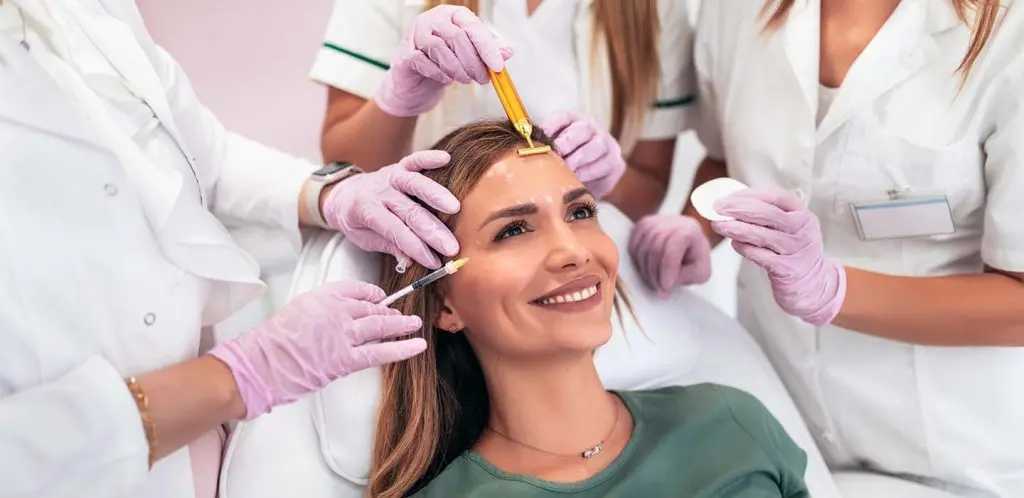
The defining feature of quality in-person training is extensive hands-on practice injecting actual human faces under supervision.
You’ll inject real patients, not mannequins or practice heads. Human faces have varying skin thickness, muscle tone, and vascular anatomy. They express pain, concern, and anxiety. They ask questions and have expectations. This realism is impossible to replicate in any other format.
Quality programes provide 20-40 live patient injection opportunities during training. You’ll treat diverse faces with different anatomy, aging patterns, and treatment needs. This variety builds pattern recognition and adaptability impossible to develop through observation alone.
You’ll perform complete procedures from patient consultation through post-treatment instructions. This end-to-end experience develops competence in all aspects of aesthetic practice, not just the physical injection itself.
Different treatment areas require different techniques. You’ll practice basic zones like glabella and crow’s feet, plus more challenging areas depending on programes scope. Each repetition builds muscle memory and confidence.
Immediate Supervision by Experienced Trainers
In-person training allows expert instructors to observe your technique in real-time, providing immediate feedback and correction.
Instructors watch your needle handling, injection angles, and product placement as you work. They see exactly what you’re doing right and wrong in the moment it happens. This allows instant correction before improper technique becomes ingrained habit.
They’ll physically guide your hands when necessary, demonstrating proper angles and depths through tactile instruction. This hands-on teaching is impossible through screens. You feel the correct technique, not just see it.
They answer questions immediately as situations arise during injection. When you’re uncertain about injection depth or product volume, expert guidance is available instantly. This real-time problem-solving teaches clinical judgment online courses cannot develop.
They help you manage unexpected situations and complications. When patients react badly or anatomy proves difficult, instructors guide you through handling these challenges safely. Learning to navigate real problems under supervision prevents future disasters when you’re alone.\
Building Genuine Confidence Through Practice
In-person training creates confidence through successful repetition with real consequences and expert support.
You’ll make mistakes in controlled environment where instructors can intervene. These manageable failures teach more than any video. You learn what works, what doesn’t, and why through actual experience.
You’ll develop muscle memory through physical repetition. After 30-40 live injections, your hands begin moving automatically through proper technique. This motor learning simply cannot occur through observation.
You’ll gain psychological comfort treating real patients. The nervousness of injecting your first face evolves into calm confidence through repeated successful outcomes. This mental shift is essential to independent practice.
You’ll leave training having already treated dozens of faces successfully. You know you can do this because you’ve done it repeatedly with good results. This evidence-based confidence exceeds anything online courses provide.
Key Differences: Online vs In-Person Training
Understanding the fundamental differences between online injector courses vs in-person training clarifies why one approach proves superior for developing genuine competence.
Practical Experience vs Theoretical Knowledge
The most obvious difference between training formats is hands-on practice quantity.
Online courses provide zero hands-on experience with actual patients in controlled training environments. You might practice on family members or friends you recruit yourself, but this unsupervised practice is dangerous and ineffective. You’re learning through mistakes on people trusting you without expert guidance available.
In-person training provides extensive supervised practice before you touch paying patients. Your learning curve happens with professional oversight preventing serious complications. Mistakes become teaching moments rather than career-ending disasters.
Theoretical knowledge alone cannot create competent injectors. Understanding facial anatomy intellectually differs completely from navigating that anatomy with a needle in your hand. Knowing proper injection technique differs from executing it successfully on a nervous patient with difficult anatomy.
The gap between knowing and doing is enormous in aesthetic injection. Online courses help you know. Only in-person training helps you do.
Skill Confidence Levels After Training
Graduates from online vs in-person programs demonstrate dramatically different confidence levels when beginning independent practice.
Online course graduates typically feel anxious and underprepared when facing their first paying patients. They’ve watched videos but never injected supervised by experts. They’re applying theoretical knowledge without practical foundation. This uncertainty shows in their tentative technique and decision-making.
In-person training graduates approach early patients with earned confidence. They’ve successfully treated dozens of faces already. They’ve navigated challenging anatomy under supervision. They’ve managed nervous patients and unexpected situations. They know they can do this because they’ve already done it repeatedly.
Employers recognize this confidence difference immediately. New injectors from online programs often require extensive additional training and supervision before employers trust them with patients. Graduates from quality in-person programs can begin treating patients immediately with normal oversight.
Patients sense confidence differences too. Tentative, nervous injectors create anxiety in patients. Confident practitioners who’ve clearly done this many times before inspire trust. Your first paying patient shouldn’t be your first real face.
Learning Speed and Knowledge Retention
How quickly you develop competence and how well you retain skills differs markedly between training formats.
Online learning proceeds at theoretical pace without practical application reinforcing concepts. You might watch video about glabella anatomy one day and crow’s feet technique the next, but without physical practice connecting knowledge to application, retention suffers.
In-person training integrates theory and practice immediately. You learn facial anatomy in the morning and inject those exact structures that afternoon. This immediate application cements knowledge far more effectively than passive video consumption.
Muscle memory develops only through physical repetition. Watching someone inject perfectly teaches you nothing about the motor skills required. Your hands must repeat proper technique dozens of times before movements become automatic.
Long-term retention of skills requires initial competence development. Studies consistently show that hands-on learning creates lasting knowledge better than passive observation. What you do yourself sticks. What you watch someone else do fades.
Pros and Cons of Online Injector Training
Online courses offer genuine benefits alongside significant limitations. Understanding both helps you use these resources appropriately.
Advantages of Digital Learning
Online injector courses provide real value in specific aspects of aesthetic education.
Learn at your own pace without fixed schedules or attendance requirements. Busy nurses can fit education around work shifts, family obligations, and personal schedules. This flexibility makes continuing education accessible to people who couldn’t attend in-person programs.
Lower cost makes entry to aesthetic education more affordable. Online courses typically cost $300-1,500 compared to $3,000-6,000 for quality in-person training. This reduced barrier allows more nurses to explore aesthetic careers without major financial commitment.
Accessible anywhere removes geographic limitations. Rural nurses, international students, and people without local training options can access quality theoretical instruction. You’re learning from instructors you couldn’t physically reach otherwise.
Unlimited replay of difficult concepts aids understanding. Complex anatomy or technique can be reviewed multiple times until comprehension solidifies. This self-paced learning accommodates different learning speeds.
Theoretical foundation for future practical training develops well through video instruction. Learning facial anatomy, product characteristics, and safety protocols before hands-on training makes practical sessions more effective.
Limitations Online Only Training
The disadvantages of online courses become apparent when graduates attempt actual patient treatment.
No hands-on experience with real patients means you’re attempting procedures for the first time without expert supervision. Your learning curve happens on paying patients trusting your claimed expertise. This creates serious patient safety and ethical concerns.
Limited confidence building leaves you unprepared for independent practice psychologically. Watching videos doesn’t prepare you for nervous patients, unexpected complications, or the pressure of working without guidance. First-time anxiety affects your technique and decision-making.
Risk of improper technique develops when you practice unsupervised. Without expert correction, you might develop bad habits making your technique less effective or more dangerous. These ingrained errors are harder to correct later than learning properly initially.
No real-time feedback means mistakes go uncorrected. You might place injections too deep, use incorrect volumes, or miss danger zones without realising it. Only when complications occur do you discover your technique was flawed.
Employer concerns about online-only training limit job opportunities. Most quality med spas won’t hire injectors without hands-on training verification. Your online certificate might not open doors you expect.
Pros and Cons of In-Person Injector Training
Traditional hands-on training delivers superior practical education despite requiring greater investment.
Advantages of Hands On Learning
In-person training provides benefits impossible to replicate through digital formats.
Real patient injections under supervision build genuine competence. You’re developing actual skills treating real faces, not theoretical knowledge about techniques. This practical experience translates directly to independent practice.
Direct mentorship from experienced practitioners provides guidance videos cannot offer. You receive personalised instruction tailored to your specific weaknesses and learning needs. Questions get answered immediately and thoroughly.
Faster skill development through immediate feedback and correction. Experts identify and fix technical errors in real-time before they become habits. Your learning curve accelerates dramatically with this guided practice.
Confidence building through successful repetition creates psychological readiness for independent practice. You know you can handle difficult anatomy, nervous patients, and unexpected situations because you’ve managed them already under supervision.
Networking opportunities with instructors and fellow students create professional connections valuable throughout your career. These relationships provide ongoing mentorship, case consultation, and referral sources.
Employment advantages as employers strongly prefer candidates with verified hands-on training. You’re immediately employable rather than requiring extensive additional training and supervision.
Disadvantages of Traditional Training
In-person programes do carry some limitations compared to online alternatives.
Higher cost creates barrier to entry for some students. Quality hands-on training costs $3,000-6,000 including live model fees, facility expenses, and comprehensive instruction. This investment is substantial though typically justified by better outcomes.
Travel requirements for students without local training options add expense and complexity. You’ll need accommodations, meals, and transportation during multi-day training. This increases total investment beyond tuition alone.
Fixed schedule means you must arrange time away from work and personal obligations. Training dates are set months in advance. You can’t learn at your own pace or split attendance across multiple sessions typically.
Limited replay of instruction compared to recorded online content. While quality programs provide reference materials, you can’t re-watch your instructor’s demonstrations indefinitely like online videos.
Geographic availability varies, with some regions having limited quality in-person training options. Rural nurses might need to travel significant distances reaching reputable programs.
Why Hands On Training Is Critical in Aesthetic Injection
Patient safety, technique development, and complication management all demand hands-on education that online courses cannot provide.
Patient Safety Requires Practical Competence
Aesthetic injection carries genuine risks requiring practical skills to manage safely. Theoretical knowledge alone is insufficient.
Vascular occlusion from filler blocking blood vessels can cause tissue death or blindness. Recognising when your needle contacts a vessel requires tactile feedback you only learn through supervised practice. Videos can’t teach you what resistance feels like as needles pass through different tissue layers.
Allergic reactions and adverse events require immediate recognition and appropriate response. Managing these emergencies under pressure differs dramatically from reading protocols in online courses. You need supervised experience handling complications before encountering them alone.
Infection prevention through proper sterile technique requires physical practice. You must develop muscle memory for aseptic procedures through repetition. Watching videos about sterile technique doesn’t create the automatic habits preventing contamination under actual treatment conditions.
Dosing errors from inexperience can produce poor outcomes or complications. Knowing proper dosing theoretically differs from judging appropriate amounts for specific patients. This clinical judgment develops through supervised experience with diverse anatomy and treatment needs.
Precision Technique Development Demands Physical Practice
Aesthetic injection requires refined motor skills impossible to develop without hands-on practice.
Needle handling including proper angle, depth, and placement needs muscle memory from repetition. Your hands must learn these movements through actual practice. Watching perfect technique doesn’t teach your muscles to replicate it.
Product placement varies by treatment area and desired effect. Superficial injection for fine lines differs completely from deep placement for structural support. Understanding this intellectually is useless without hands developing the ability to execute each approach.
Pressure control affects how product flows from syringes. Too much pressure can cause bruising or uneven distribution. Too little creates inefficient treatment. Your hands learn appropriate pressure only through supervised practice getting real-time feedback.
Patient positioning and your own body mechanics affect technique success. Where you stand, how you support the patient’s head, and your approach angles all matter. You develop these physical skills through supervised repetition, not video observation.
Managing Complications Requires Real Experience
When complications occur during independent practice, your ability to respond appropriately depends on prior hands-on experience managing problems.
Vascular compromise requires immediate recognition and intervention. The seconds between noticing a problem and initiating treatment determine whether tissue survives. This pressure-situation decision-making must be practiced in controlled environments before facing it alone.
Tyndall effect, infection, migration, and other filler complications each demand specific responses. Reading about management differs completely from actually treating these problems. Supervised experience with complications during training prepares you for independent handling.
Patient anxiety and adverse reactions to pain require real-time management skills. Calming nervous patients, managing vasovagal responses, and handling unexpected situations all need practice. You can’t learn these interpersonal skills from videos.
Emergency protocols for serious complications must become automatic responses. When anaphylaxis occurs, you need immediate appropriate action, not time to review online content. This requires practicing emergency procedures until responses are instinctive.
Best Approach: Hybrid Learning Model
The optimal training strategy combines online theoretical education with comprehensive in-person practical training, leveraging strengths of both formats.
Start With Online Theory and Foundations
Using online courses for preliminary education before hands-on training makes practical sessions more effective.
Learn facial anatomy thoroughly through video instruction and 3D models before attending in-person training. Arriving at practical sessions with solid anatomical foundations allows you to focus on technique development rather than basic concepts.
Study product characteristics, contraindications, and safety protocols online at your own pace. This theoretical knowledge provides context making hands-on instruction more meaningful when you begin treating patients.
Complete online modules about patient consultation, expectation management, and treatment planning. These soft skills supplement practical training effectively when learned theoretically first.
Review business education covering pricing, marketing, and practice management through online courses. These topics don’t require hands-on practice and prepare you for career aspects beyond technical skills.
This preliminary online education makes your in-person training investment more valuable by arriving prepared to maximise practical learning time.
Follow With Comprehensive In-Person Practical Training
After building theoretical foundations online, invest in quality hands-on training with extensive live patient practice.
Choose programs providing minimum 20-30 supervised live injections. This practice quantity allows genuine skill development beyond basic familiarity. Your muscle memory begins forming through adequate repetition.
Ensure training includes both neurotoxins and dermal fillers if pursuing comprehensive injectable expertise. Some programs teach only one product category. Complete training addresses both.
Verify instructors are actively practicing experts, not retired practitioners teaching outdated techniques. Learning from people currently succeeding in aesthetic medicine ensures relevant, current instruction.
Expect small class sizes enabling individualized attention. Large groups prevent adequate instructor interaction and feedback. Quality programs limit enrolment allowing thorough teaching.
Demand programs providing ongoing support after initial certification. Access to instructors for case consultation, mentorship, and questions as you begin independent practice proves invaluable.
Texas Academy of Medical Aesthetics (TAMA) exemplifies this comprehensive approach. Their programs combine theoretical education with extensive hands-on practice, ensuring graduates develop genuine competence, not just theoretical knowledge.
Continue Education Through Advanced Training
After mastering foundational skills through hybrid learning, pursue ongoing education maintaining and expanding expertise.
Take advanced technique courses adding sophisticated procedures to your skill set. Tear troughs, non-surgical rhinoplasty, and other complex applications require specialised training beyond basic certification.
Attend industry conferences and workshops learning emerging techniques and products. Aesthetic medicine evolves constantly. Continuous education keeps you current and competitive.
Pursue manufacturer training on new products as they launch. Understanding product-specific characteristics optimises results and prevents complications from inappropriate use.
Join professional organisations offering continuing education, case discussions, and networking. These communities support ongoing learning throughout your career.
This lifelong learning approach maintains competence, expands capabilities, and demonstrates professional commitment to employers and patients.
How to Choose the Right Training Programme
Selecting quality training requires evaluating specific criteria separating excellent education from inadequate preparation.
Verify Accreditation and Industry Reputation
Programme credibility affects education quality and employer perceptions of your credentials.
Research which training organizations employers in your market respect. Some programs are recognized industry-wide. Others are unknown or poorly regarded. Your certification value depends partly on programmed reputation.
Check instructor credentials thoroughly. Verify they’re actively practicing aesthetic medicine successfully, not just teaching. Look for instructors recognised as experts and key opinion leaders in aesthetics.
Read graduate reviews and testimonials carefully. Contact previous students if possible, asking about hands-on practice quality, instructor support, and employment success after training.
Verify any accreditation claims made by programs. Some organizations claim credentials they don’t actually hold. Independent verification prevents choosing programs based on false representations.
Prioritise Extensive Hands-On Practice Opportunities
The amount and quality of live patient injection practice determines whether training creates competent injectors.
Demand specific numbers of live patient injections included in training. Programs should clearly state how many faces you’ll inject. Vague promises of “hands-on practice” often mean inadequate repetition.
Verify live models are provided by the programmed, not recruited by students. Quality training includes model fees in tuition. Requiring you to find your own practice subjects indicates substandard programs.
Ensure supervision is genuine expert oversight, not just instructors present in the room. You need individualised feedback on your specific technique, not just general demonstrations for large groups.
Confirm patient diversity in age, skin type, and anatomy. Practicing only on young volunteers with simple anatomy provides inadequate preparation for real practice diversity.
Evaluate Post-Training Support Systems
Ongoing assistance after initial certification significantly impacts your early career success.
Ask about mentorship availability for case consultation. Can you contact instructors when facing challenging patients or complications? This ongoing access proves invaluable when you’re beginning independent practice.
Verify whether programs offer refresher training or skill reviews. The ability to return for additional practice as you identify areas needing improvement supports continued development.
Check what continuing education opportunities exist for graduates. Quality programs provide ongoing advanced training, webinars, and case discussions keeping graduates connected and current.
Investigate employment assistance or placement services. Some programs actively connect graduates with hiring med spas and aesthetic practices.
Common Mistakes New Injectors Make When Choosing Training
Avoiding these frequent errors protects your education investment and patient safety.
Relying Exclusively on Online Courses
The most dangerous mistake is believing online injector courses alone prepare you for independent practice. They don’t.
Online education provides valuable theoretical foundations but zero practical competence. Graduating from online programs without hands-on training means your first paying patient is your first real injection. This creates serious ethical and safety concerns.
No reputable employer will hire injectors with only online training. You’ve wasted education investment on credentials that don’t open career doors. You’ll need hands-on training anyway, making initial online-only choice false economy.
Patient safety suffers when undertrained practitioners attempt procedures beyond their competence. Serious complications can damage careers permanently before they truly begin. Starting with proper hands-on training prevents this.
Use online courses to supplement in-person training, not replace it. Theory plus practice creates competence. Theory alone creates dangerous overconfidence.
Choosing Training Based Primarily on Cost
Selecting the cheapest available programme usually produces the most expensive long-term outcomes.
Low-cost training typically provides minimal hands-on practice. You’re paying for certificates, not genuine education. These programs take your money while providing inadequate preparation.
You’ll need additional training to develop actual competence, spending more total than quality training would have cost initially. The apparent savings prove illusory.
Poor outcomes from inadequate training damage your reputation before establishing yourself. Recovering from early career disasters proves difficult or impossible in competitive aesthetic markets.
Patient complications from improper training can end careers through malpractice claims or license discipline. The cost of one serious complication far exceeds savings from cheap training.
Invest in quality education from the start. Your career and patients deserve better than economy-driven training selection.
Skipping Advanced Technique Training
Many new injectors attempt sophisticated procedures without appropriate specialised training because they’re profitable or requested frequently.
Tear trough treatment, non-surgical rhinoplasty, and other advanced applications require focused education beyond basic certification. Attempting these procedures without proper training causes serious complications.
Just because you can inject basic areas doesn’t mean you’re prepared for complex applications. Advanced techniques demand specialised knowledge about anatomy, product selection, and technical approaches.
Wait until you’ve developed solid foundational competence before pursuing advanced training. Master basic applications thoroughly first. Build expertise systematically rather than jumping to complex procedures prematurely.
Invest in proper advanced training from recognised experts when ready to expand your skill set. These specialised courses prevent expensive mistakes and poor outcomes damaging your reputation.
Choose In-Person Training for Genuine Injectable Competence
The comparison between online injector courses vs in-person training reveals clear conclusions. While online education offers valuable theoretical foundations, only comprehensive hands-on training with extensive live patient practice creates genuinely competent aesthetic injectors ready for safe independent practice.
Online courses serve important supplementary roles providing anatomical education, product knowledge, and business training at accessible price points and flexible schedules. Use these resources to build theoretical understanding before and after hands-on training. But never mistake online certification for actual injectable competence.
In-person training with 20-40 supervised live patient injections remains essential to developing the practical skills, clinical judgment, and confident technique required for patient safety and career success. The investment in quality hands-on education protects both your patients and your professional future.
The hybrid approach combining online theoretical preparation with comprehensive in-person practical training creates optimal outcomes. Build foundations through accessible online education, then develop genuine skills through intensive hands-on practice under expert supervision. Continue learning throughout your career through advanced training and ongoing education.
Texas Academy of Medical Aesthetics (TAMA) provides exactly the quality hands-on training new injectors need. Their programe include extensive live patient practice, expert instruction from actively practicing aesthetic specialists, small class sizes enabling individualized attention, and ongoing graduate support ensuring continued success. TAMA prepares you for immediate safe practice, not just theoretical understanding.
Ready to develop genuine injectable competence through comprehensive hands-on training? Contact Texas Academy of Medical Aesthetics today about in-person injector training programs providing the extensive live patient practice essential to safe, successful aesthetic careers. Don’t risk patient safety or your professional future with online-only training. Invest in real education creating real skills.