If you’re already working in aesthetics, you’ve probably noticed something: not every patient is looking for Botox or filler. Some are more concerned about acne scars, uneven skin texture, fine lines, or simply wanting healthier-looking skin.
That’s where microneedling comes in.
For nurses and other medical professionals looking to expand their skills, microneedling offers an opportunity to address skin concerns that injectables alone may not treat. And for those just entering aesthetics, it can be a valuable addition to a growing treatment portfolio.
But before you start offering it, there’s an important step: learning how to perform it safely and confidently.
If you’re exploring microneedling training in Texas, here’s what you should know about the procedure, what you’ll learn, who can enroll, and how hands-on training at Injector Training Academy (ITA) can help you take the next step.
What Is Microneedling, and Why Is It So Popular?
Think about a patient who loves their Botox results but still feels self-conscious about acne scars or uneven skin texture.
Botox can soften expression lines, but it doesn’t address every skin concern. Microneedling offers a different approach.
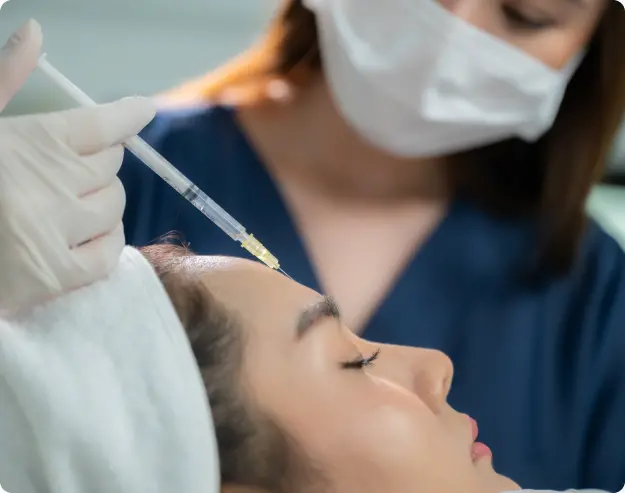
Also known as collagen induction therapy, microneedling uses a specialized device with tiny needles to create controlled micro-injuries in the skin. These trigger the body’s natural healing response and encourage collagen remodeling.
Over time, treatments may help improve the appearance of:
- Acne scars and uneven texture
- Fine lines and wrinkles
- Enlarged-looking pores
- Certain types of superficial scarring
- Overall skin texture and appearance
While the concept sounds straightforward, performing microneedling correctly requires much more than learning how to operate a device.
Understanding skin anatomy, choosing appropriate treatment depths, identifying contraindications, and providing proper aftercare are all essential to patient safety.
That’s why professional training matters.
Who Can Enroll in Microneedling Training at ITA?
One of the first questions prospective students ask is, “Am I qualified to take this course?”
ITA’s microneedling training in Texas is designed for licensed medical professionals, including registered nurses, nurse practitioners, physician assistants, and physicians.
Med spa owners and managers who hold appropriate clinical licenses may also qualify.
If you’re an aesthetician considering medical microneedling, it’s important to understand that your permitted scope may differ from that of a licensed medical professional.
Texas has specific rules regarding medical procedures, physician delegation, and professional responsibilities. Before enrolling or performing treatments, confirm your eligibility with the Texas Board of Nursing or Texas Medical Board, as applicable.
Remember: Completing a training course doesn’t automatically authorize you to perform procedures outside your professional scope.
What Will You Actually Learn During Microneedling Training?
A good microneedling course should prepare you for more than the treatment itself.
It should help you understand why you’re making certain clinical decisions, how to recognize potential risks, and what to do when a patient may not be an appropriate candidate.
Here’s what ITA’s training covers.
Understanding Skin Anatomy and Different Skin Types
Before you can treat skin effectively, you need to understand what you’re working with.
You’ll review skin anatomy, the different layers of the skin, and how treatment decisions vary depending on a patient’s concerns and skin characteristics.
Training also introduces the Fitzpatrick skin typing system, which helps clinicians consider pigmentation-related risks when planning treatments.
Choosing the Right Needle Depth
Not every area of the face should be treated the same way.
The forehead, cheeks, and delicate areas around the eyes have different characteristics, and treatment settings must reflect those differences.
You’ll learn about needle depths ranging from 0.25 mm to 1.5 mm and above, along with how cartridge selection and treatment goals influence clinical decisions.
The objective isn’t simply to treat deeper. It’s to understand when a particular approach is appropriate and when additional caution is necessary.
Patient Consultations and Safety Screening
Imagine a patient arrives excited about microneedling but has an active skin infection or another condition that could make treatment inappropriate.
Would you know when to postpone the appointment?
This is why consultations are such an important part of training.
You’ll learn how to review medical histories, identify contraindications, discuss realistic expectations, document informed consent, and take standardized treatment photographs.
Treatment Techniques and Infection Prevention
You’ll also learn how a professional microneedling appointment should be conducted, from skin preparation to post-treatment care.
The course emphasizes appropriate hygiene practices, aseptic technique, sterile single-use cartridges, and patient-specific treatment protocols.
Exploring Combination Treatments
Microneedling can also be incorporated into broader aesthetic treatment plans.
ITA’s curriculum introduces combination therapies such as microneedling with platelet-rich plasma (PRP), radiofrequency microneedling, and serum infusion.
Each approach has different considerations, so understanding when and how treatments may be combined is an important part of responsible clinical planning.
From Learning the Technique to Practicing on Live Models
Reading about microneedling and performing a treatment on an actual person are two very different experiences.
You might understand the theory perfectly, but still have questions when it’s time to assess a patient’s skin, prepare the treatment area, or explain aftercare.
That’s why hands-on experience is valuable.
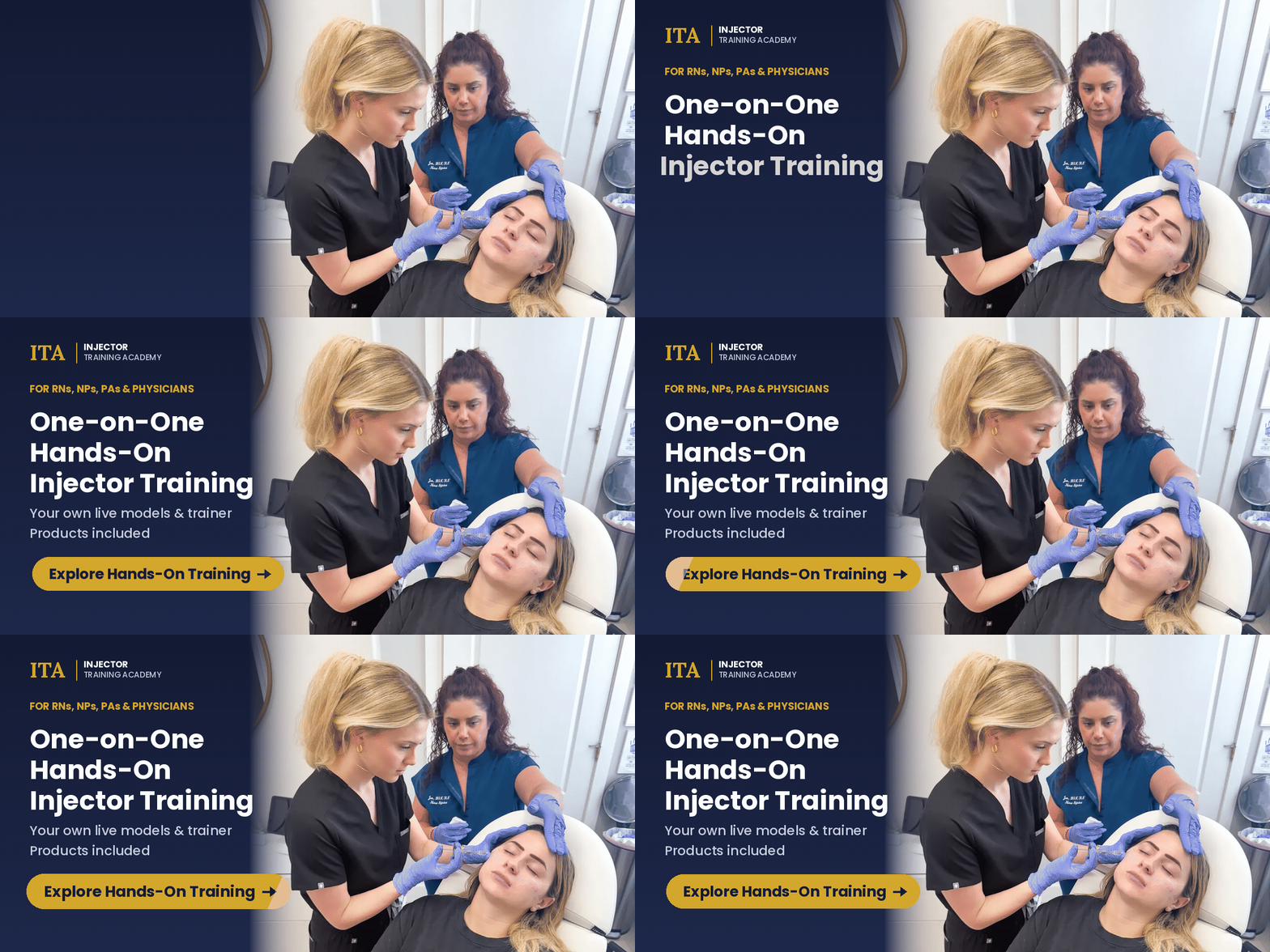
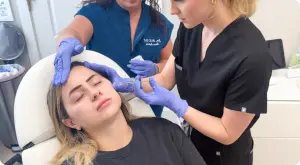
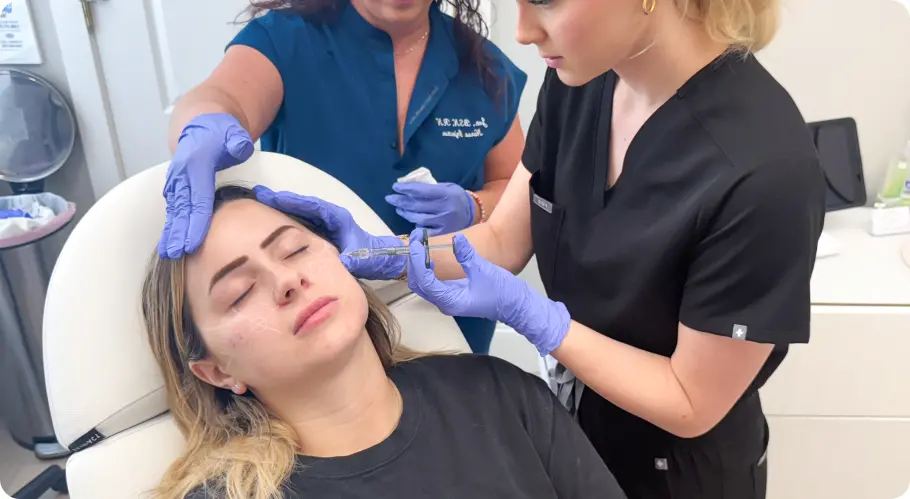
ITA’s microneedling program includes supervised practice with live training models in a small-group setting.
Rather than focusing only on device handling, students work through the patient experience, including consultation, treatment planning, the procedure itself, and post-treatment instructions.
Training uses professional-grade microneedling devices, allowing students to become familiar with equipment used in clinical environments.
After completing the program, students receive a Certificate of Completion documenting their training. The program does not currently award CE or CME credits.
What Does a Real Microneedling Appointment Look Like?
A successful treatment begins well before the device touches the patient’s skin.
During training, you’ll become familiar with the complete appointment process.
First comes the consultation. You’ll review the patient’s medical history, skin concerns, treatment goals, and any factors that may affect their eligibility.
Next, you’ll document the patient’s skin condition through photographs and obtain informed consent.
Once the patient is ready, you’ll learn appropriate skin preparation, device settings, and treatment techniques under supervision.
After treatment, attention shifts to recovery and aftercare.
Patients need clear instructions about what to expect, which products or activities to avoid, and when to contact their provider if something doesn’t seem right.
Finally, you’ll document the treatment, including relevant settings, areas treated, and patient responses.
These steps may seem routine, but together they form the foundation of safe, consistent patient care.
Why Treatment Planning Matters Just as Much as Technique
Here’s something new aesthetic providers sometimes underestimate: patients don’t always achieve their desired improvements after a single microneedling session.
Depending on the concern, a series of treatments may be recommended.
That means you’ll need to understand how to create realistic treatment plans, explain expected progress, and determine appropriate intervals between sessions.
For example, someone seeking improvement in acne scarring may have different treatment needs than someone primarily interested in maintaining skin texture.
Learning how to communicate those differences helps patients make informed decisions without unrealistic expectations.
Safety Comes First: What Every Provider Should Understand
Microneedling may be a familiar treatment in med spas, but it still involves intentionally disrupting the skin barrier.
That makes safety training essential.
A comprehensive course should prepare you to recognize contraindications, use appropriate treatment depths, maintain infection-control standards, and respond to unexpected reactions.
You’ll also learn to distinguish common short-term effects, such as redness and mild swelling, from symptoms that may require further evaluation.
Most importantly, you’ll understand when to stop, postpone, or refer a patient for additional medical assessment.
Confidence in aesthetics isn’t about performing every treatment. It’s about knowing when a treatment is appropriate and when it isn’t.
How Microneedling Fits Into an Injectable Practice
If you’re already offering Botox and dermal fillers, microneedling can complement your existing services.
Each treatment addresses different aesthetic concerns.
Botox and other neuromodulators primarily target dynamic wrinkles caused by muscle movement. Dermal fillers help restore volume and enhance facial contours.
Microneedling focuses more on skin texture, certain types of scarring, and overall skin quality.
For example, a patient interested in facial rejuvenation might benefit from a treatment plan that considers both volume loss and uneven skin texture.
Having training in multiple procedures allows you to discuss a wider range of options while recommending treatments based on individual needs.
If you’re new to aesthetics, you may also want to explore ITA’s self-paced online Botox training course or Botox and dermal filler training for registered nurses.
Is Microneedling Training the Right Next Step for You?
Maybe you’re an RN hoping to transition into aesthetics.
Perhaps you’re already an injector and want to offer more comprehensive skin treatments.
Or you might be opening a med spa and exploring which services make sense for your future patients.
Microneedling training may be worth considering if you want to expand beyond injectables, address skin texture concerns, or explore treatments commonly planned as a series.
It may also interest providers looking to learn more about combination approaches, including PRP microneedling.
The right training path ultimately depends on your professional license, current experience, and long-term goals.
Bringing Microneedling Into Your Med Spa
Learning the procedure is one part of the process. Introducing it into your practice requires preparation, too.
Before offering treatments, you’ll need appropriate clinical protocols, consent documentation, device supplies, infection-control procedures, and a system for recording patient progress.
You’ll also want to think about how microneedling fits into your existing services.
Will you offer individual appointments, treatment series, or carefully selected combination treatments?
How will you educate patients about expected outcomes and recovery?
These are practical questions worth answering before launching a new service.
ITA also offers additional educational pathways, including PRP injections training and PDO thread lift certification, for medical professionals interested in developing a broader skill set.
Questions Worth Asking Before You Enroll
Not all training experiences are the same, so it’s worth asking a few questions before committing.
Find out whether you’ll practice on live models, what type of equipment you’ll use, how much instructor guidance is available, and which techniques the course covers.
You should also ask about support after training.
At ITA, the goal is to help medical professionals continue developing their skills beyond their initial course, with access to additional training pathways and educational support.
Where Can You Take Microneedling Training in Texas?
Injector Training Academy has training locations across Texas, including Dallas, Fort Worth, Plano, Colleyville, Argyle, Waxahachie, Austin, and The Woodlands.
However, course availability may vary by location.
If you’re interested in microneedling training, the best next step is to speak with ITA’s team about current schedules, eligible training locations, and the program that aligns with your experience.
Frequently Asked Questions
Who can take microneedling training in Texas?
ITA’s program is intended for appropriately licensed medical professionals, including RNs, NPs, PAs, and physicians. Med spa owners or managers with qualifying clinical licenses may also be eligible. Aestheticians should verify their scope of practice and enrollment eligibility before registering.
Will I get hands-on experience with real patients?
Yes. ITA’s program includes supervised treatment practice on live training models, allowing students to apply what they’ve learned in a clinical training environment.
Does the course cover microneedling with PRP?
The curriculum introduces combination therapies, including PRP microneedling, RF microneedling, and serum infusion. Confirm the specific hands-on components with ITA before enrolling.
Will I receive a certificate after completing training?
Yes. Students receive a Certificate of Completion. This documents completed training but does not grant a professional license or expand the scope of an existing one.
Ready to Add Microneedling to Your Skill Set?
Every new skill you learn in aesthetics opens the door to a different way of helping patients.
For some providers, microneedling is an opportunity to expand an existing injectable practice. For others, it’s one of several steps toward building a career in aesthetic medicine.
Whatever your starting point, choosing training that emphasizes patient safety, sound clinical judgment, and supervised practice matters.
Interested in taking the next step? Connect with the Injector Training Academy team to explore available microneedling training options in Texas and find a program that fits your goals.
Written by Kiara DeWitt, BSN, RN, CPN, Founder, President and Faculty Instructor at Injector Training Academy.
Disclaimer
Medical Disclaimer: This article is intended for general educational and informational purposes for healthcare professionals. It is not medical, legal, or financial advice and does not replace professional clinical judgment. Aesthetic procedures carry risks and must be performed by appropriately licensed professionals within their permitted scope of practice and under any supervision or delegation required by applicable law. Requirements vary by state and may change. Completing training or receiving a Certificate of Completion does not grant a professional license, expand scope of practice, or guarantee employment, income, or clinical outcomes. Consult the appropriate licensing and regulatory authorities before performing treatments.