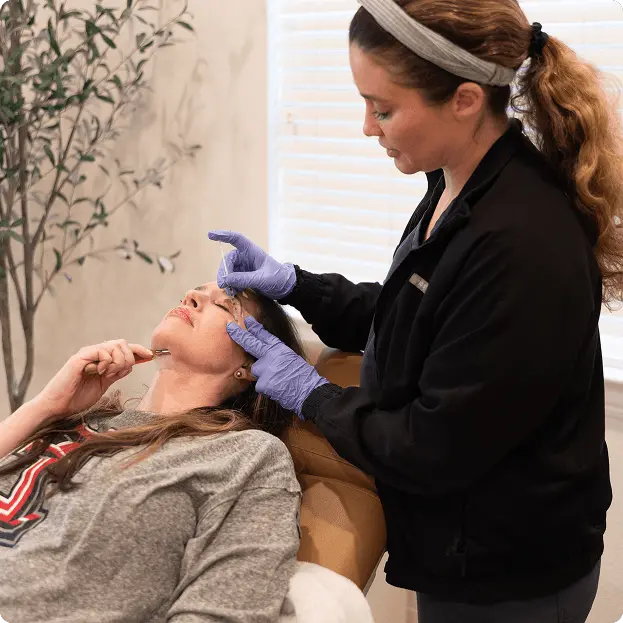
The aesthetic injectables industry is booming, and more healthcare professionals than ever are exploring careers in cosmetic medicine. But before you can pick up a syringe and start administering Botox or dermal fillers, you need to meet specific qualifications. Understanding these requirements upfront saves you time, money, and frustration. This guide breaks down exactly what you need to begin learning injectables and building a rewarding aesthetic practice.
Why Qualifications Matter in Aesthetic Injectables
Injectables are medical procedures, not beauty treatments. Whether you’re administering neuromodulators like Botox or hyaluronic acid-based dermal fillers, you’re working with regulated substances and performing procedures that carry real risks. The U.S. Food and Drug Administration classifies botulinum toxin products and dermal fillers as prescription medical products, which means only qualified medical professionals can legally administer them in most states.
This is why reputable training programs require students to hold an active medical license before enrolling. The qualifications protect patients, uphold industry standards, and ensure that practitioners understand the anatomy, pharmacology, and emergency protocols essential to safe practice.
Core Qualification: An Active Medical License
The foundational requirement to learn injectables is holding a valid, active medical license. Most aesthetic training academies accept the following licensed professionals:
Registered Nurses (RNs) are among the most common students in injectable training. With their strong clinical background and understanding of patient care, RNs transition smoothly into aesthetic injecting. According to the U.S. Bureau of Labor Statistics, nursing remains one of the fastest-growing healthcare professions, and many nurses are diversifying into aesthetics.
Nurse Practitioners (NPs) bring advanced clinical training and, in many states, the ability to operate with greater autonomy. NPs often own their own medical spas after completing injectable training.
Physician Assistants (PAs) are well-positioned to add aesthetics to their scope of practice, working under physician supervision according to state regulations.
Physicians (MDs and DOs) can enter the field with full prescribing authority, and many dermatologists and plastic surgeons pursue specialized injectable training to refine advanced techniques.
Dentists (DDS and DMD) have detailed knowledge of facial anatomy, making them excellent candidates for injectable training. Many states permit dentists to administer Botox and fillers, particularly for therapeutic and aesthetic facial applications.
If you fall into one of these categories, you likely meet the baseline requirement to begin training. If you’re considering hands-on programs, you can explore options like Botox training courses in Dallas or Botox training in Austin to find a location near you.
State-Specific Requirements
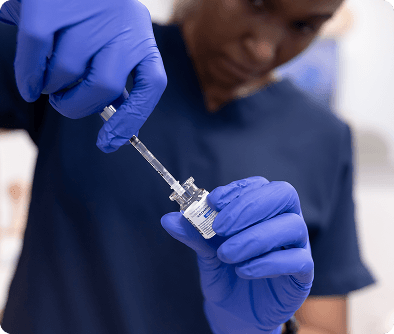
Injectable regulations vary significantly from state to state. What’s permitted in Texas may differ from California or Florida. Each state’s medical and nursing boards establish their own scope of practice rules, supervision requirements, and delegation protocols.
For example, some states require that a physician or medical director oversee injectable procedures performed by nurses, while others grant more independence. Before enrolling in training, verify your state’s specific rules through your state medical or nursing board. The National Council of State Boards of Nursing provides resources to help nurses understand licensure and scope requirements across jurisdictions.
In Texas, where many of our students train, the regulations allow qualified medical professionals to administer injectables under appropriate medical direction. Programs in cities like Fort Worth, Plano, and Colleyville are designed to comply with state standards while delivering comprehensive hands-on experience.
Educational and Clinical Background
Beyond licensure, successful injectable students benefit from a solid foundation in human anatomy, particularly facial musculature, vascular structures, and nerve pathways. Understanding where major blood vessels and nerves lie is critical for avoiding complications like vascular occlusion.
Most quality training programs include this anatomy education in their curriculum, but having prior clinical experience helps students absorb the material faster. Knowledge of aseptic technique, patient assessment, and managing adverse reactions—skills most licensed professionals already possess—provides a strong starting point.
Do You Need Prior Aesthetic Experience?
No. One of the most common misconceptions is that you need prior cosmetic or aesthetic experience to start learning injectables. You don’t. Comprehensive training programs are designed to take licensed professionals from their existing clinical knowledge to confident injecting, regardless of whether they’ve worked in aesthetics before.
What matters most is your willingness to learn, practice, and commit to ongoing education. The field evolves rapidly, with new products and techniques emerging regularly.
Choosing the Right Training Program
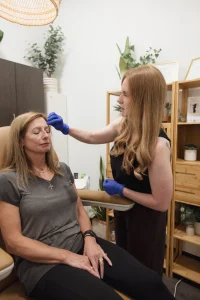
Once you’ve confirmed you meet the licensing requirements, selecting the right program is your next step. Look for programs that offer hands-on injecting with live models, small class sizes, experienced instructors, and a curriculum covering both neuromodulators and dermal fillers.
Many professionals start with online Botox training to build foundational knowledge before progressing to in-person, hands-on sessions. This blended approach lets you learn the theory at your own pace and then apply it under expert supervision.
Hands-on practice requires live models, and that’s where injecting opportunities come in. Some students don’t realize they can even become a Botox and filler model to receive treatments at reduced costs while helping trainees develop their skills. In fact, there’s a little-known way to get up to 50% off Botox and fillers in 2026 as a training model—a secret most clinics don’t advertise.
Expanding Your Scope: Advanced Injectable Training
Once you’ve mastered the fundamentals, many practitioners expand into more specialized areas. Beyond facial aesthetics, some clinicians pursue advanced therapeutic applications, including penile injection training for treatments addressing erectile dysfunction and related conditions. These specialized courses also require an active medical license and build on core injecting competencies.
Other practitioners explore PDO threads, PRP therapy, and weight-loss injectables, broadening their service menu and revenue potential. Training locations across Texas, including Argyle, Waxahachie, and The Woodlands, offer pathways to grow your expertise.
Continuing Education and Certification
Injectable training typically results in a certificate of completion rather than a state-issued license, since you’re already a licensed medical professional adding a skill to your existing credentials. However, ongoing continuing education is essential. The best injectors never stop learning, attending refresher courses, workshops, and advanced technique seminars throughout their careers.
Maintaining liability insurance, staying current with product updates, and following Centers for Disease Control and Prevention guidelines on infection control are all part of responsible practice.
Final Thoughts
The path to learning injectables starts with one essential qualification: an active medical license as an RN, NP, PA, physician, or dentist. From there, state-specific regulations, anatomical knowledge, and quality hands-on training shape you into a confident, competent injector.
You don’t need prior aesthetic experience—just the right credentials, a commitment to safety, and a reputable training program. If you meet the licensing requirements, you’re ready to take the first step toward a thriving career in aesthetic medicine. Explore training options in your area and begin building the skills that will set you apart in this fast-growing field.