If you are a registered nurse exploring aesthetic injectables, you have probably noticed that “Botox certification” gets thrown around loosely. Weekend webinars, $99 online badges, and full hands-on clinical programs all use the same word. The problem is that not all of them prepare you to inject safely, and almost none of them carry legal weight on their own. In Texas, what actually lets you inject neurotoxins is your nursing license combined with proper delegation and training, not a certificate by itself. This guide breaks down what counts, what does not, and how to choose botox training texas programs that hold up to scrutiny.
Can RNs Inject Botox in Texas at All?
Yes. Registered nurses in Texas can administer Botox and dermal fillers, but only under specific conditions. Injectable neurotoxins and fillers are prescription products, which means a physician (or qualifying advanced practitioner) must establish the patient relationship, authorize treatment, and properly delegate the procedure. The Texas Board of Nursing governs your scope of practice, and the Texas Medical Board oversees delegation rules tied to the prescribing physician. An RN working without that physician oversight structure is operating outside the rules, no matter how many certificates they hold.
This is the single most misunderstood point among new injectors: the certificate does not grant authority. Your registered nurse license plus a compliant delegation relationship grants authority. Training proves you are competent to act on it. If you understand this distinction, you will evaluate programs far more accurately than most of your peers.
What “Counts” as Legitimate Botox Certification
Since there is no single state-issued “Botox license,” the value of a certification comes from what it actually teaches and documents. A credible program should give you defensible, real-world competence. Here is what counts.
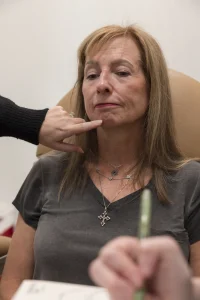
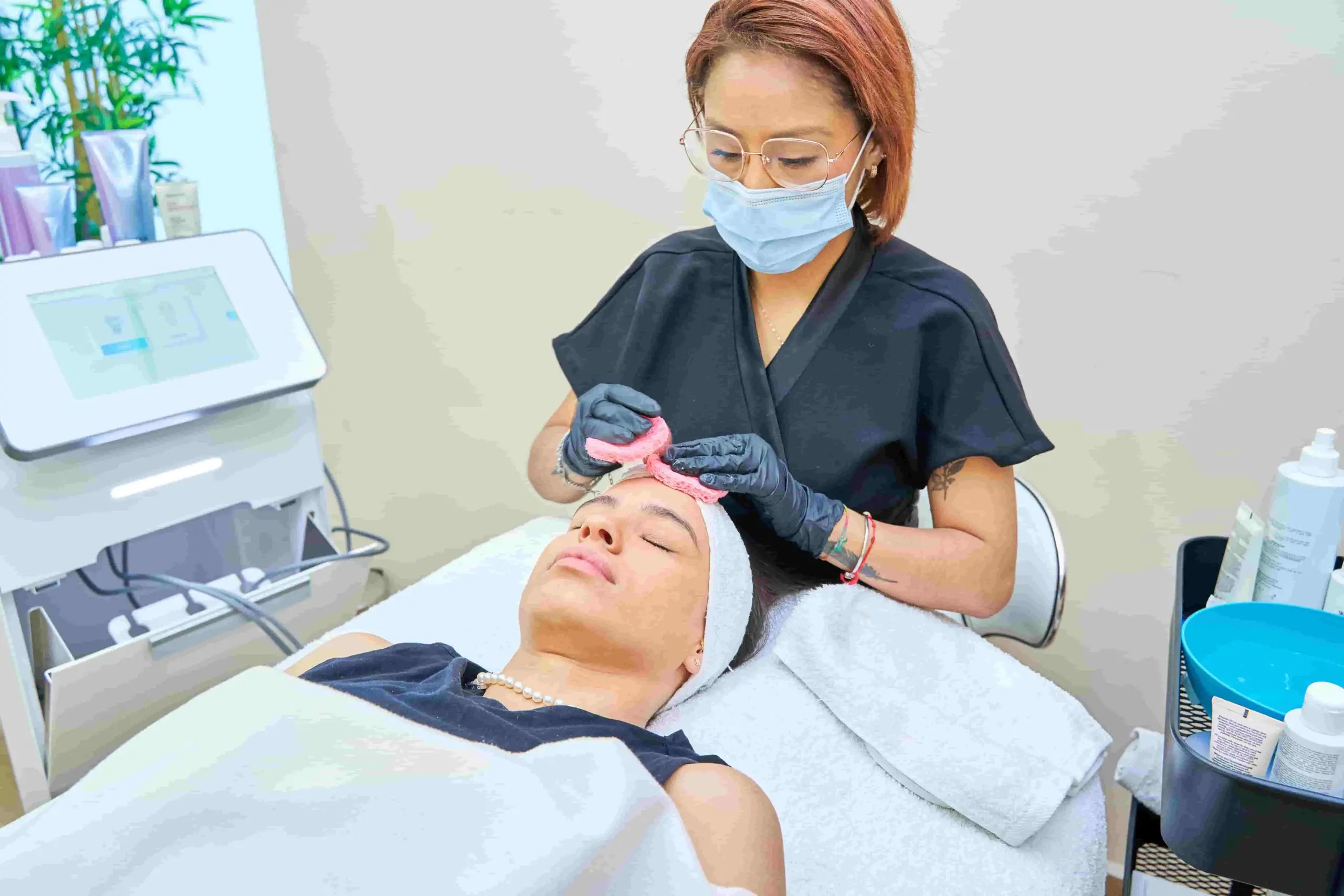
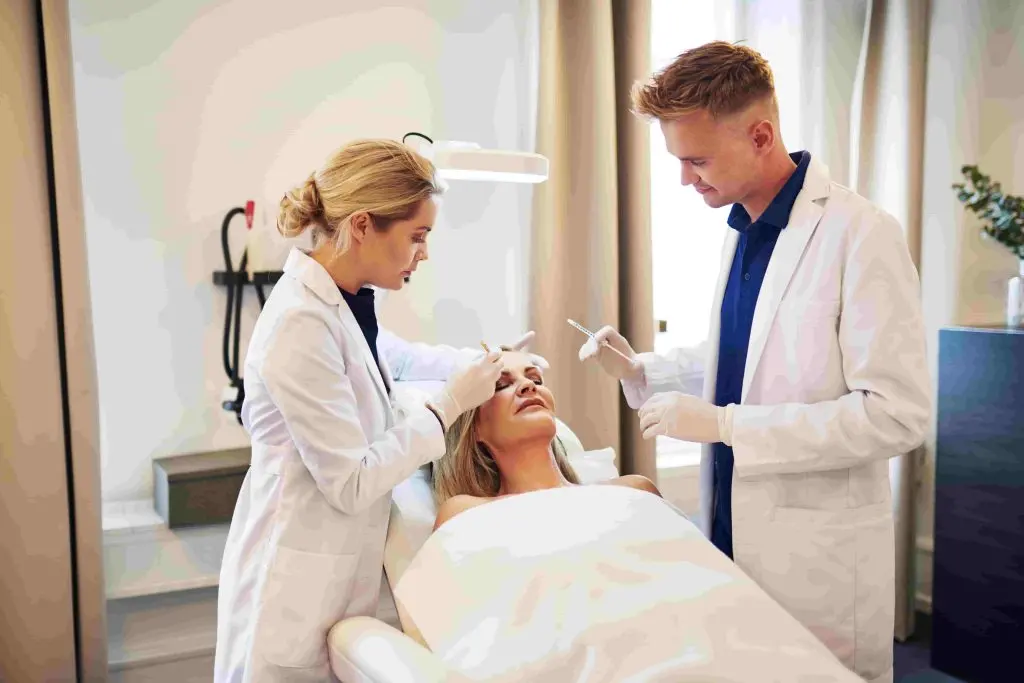
Hands-on injection training on live models. Watching videos does not build the muscle memory or anatomical confidence you need. Legitimate rn injector training includes supervised injections on real patients, with an experienced instructor correcting your depth, angle, and product placement in real time. This is the part that protects your patients and your license.
Facial anatomy education. Safe injecting depends on understanding the facial muscles, vascular pathways, and danger zones. A program that skips deep anatomy is preparing you to memorize injection points without understanding why a point is dangerous, which is exactly how complications happen.
Complication management. A serious course teaches you to recognize and respond to bruising, ptosis, and vascular occlusion. Knowing how to manage an adverse event is non-negotiable and is one of the clearest dividers between a real program and a sales funnel.
Documented clinical hours and a verifiable certificate. Your certificate should reflect actual training hours, name the instructor, and be issued by an identifiable training entity. Employers and medical directors will ask for this when they bring you onto a team.
What Does Not Count
Plenty of offerings look like certification but do little to protect you. Be skeptical of the following.
Online-only “certification” with no clinical component. Self-paced theory is genuinely useful as a foundation, and a strong online botox training module can prepare you before a hands-on day. But an online course alone, with no live injection practice, does not make you a competent injector. Treat online learning as step one, never the whole staircase.
A certificate that claims to “license” you. No private course can license you to inject. Anyone advertising that they will make injecting “legal” for you through a certificate alone is misrepresenting how Texas regulation works.
Vague “accreditation” claims. Botox training is not accredited by a single national body the way, say, a nursing degree is. If a program leans heavily on impressive-sounding but unverifiable accreditation language, ask exactly who issues it and what it means.
Day-of “shadowing” sold as hands-on. Standing in a room while someone else injects is not the same as injecting under supervision. Confirm you will physically perform injections.
How to Verify a Program Before You Enroll
A few minutes of due diligence saves you from wasted tuition and, worse, dangerous gaps in your skills. Ask the program directly: Will I inject live models, and how many? Who is the lead instructor, and what is their clinical background? Is there a physician involved in oversight? What does the certificate document? A confident, legitimate program answers all of these without hedging.
It also helps to compare cost against substance. The cheapest option is rarely the safest, and the most expensive is not automatically the best. Understanding what botox certification costs and how to choose the right program lets you weigh hands-on hours, instructor quality, and post-course support rather than just the sticker price.
Where Texas Nurses Can Train
Location matters more than people expect, because hands-on training means showing up in person. Texas nurses have strong options across the state, and choosing a nearby site makes it easier to complete the clinical component without travel strain. You can train in Dallas, Austin, Plano, The Woodlands, Fort Worth, Colleyville, Argyle, or Waxahachie. You can also browse the full list on the training locations page or the statewide Texas hub.
Beyond Botox: Filler and Advanced Training
Most nurses do not stop at neurotoxins. Dermal filler is the natural next skill, and it carries higher complication risk, which makes proper training even more important. Dedicated lip filler training in Texas teaches the product-specific techniques and vascular safety that Botox training alone does not cover. If you work alongside advanced practitioners, it is also worth knowing that physician assistants follow a parallel training path with their own delegation rules.
The Bottom Line
For Texas nurses, “Botox certification” is real and valuable, but only when it documents genuine, hands-on competence under proper physician oversight. What counts is live injection practice, deep anatomy, complication management, and a verifiable certificate. What does not count is online-only badges sold as the finish line, certificates that claim to “license” you, or shadowing dressed up as hands-on experience. Get clear on the rules set by the Texas Board of Nursing, choose a program that injects rather than just lectures, and treat your certificate as proof of skill, not a legal shortcut.
Ready to take the next step? Explore accredited, hands-on programs and start your path toward confident, compliant aesthetic practice at injectortraining.org.
Frequently Asked Questions
Do I need a certificate to inject Botox as an RN in Texas?
A certificate alone does not authorize you. You need an active RN license plus a compliant delegation relationship with a prescribing physician. Training documents your competence to perform the delegated procedure safely.
Is online-only Botox training enough?
No. Online courses are a strong foundation for theory and anatomy, but you also need supervised hands-on injection practice on live models before you can safely treat patients.
How long does Botox certification take for nurses?
Foundational programs are often completed in one to two days of intensive hands-on training, sometimes paired with online pre-coursework. Building real proficiency continues well beyond the initial course.
Can RNs inject dermal filler too?
Yes, under the same physician delegation structure. Filler carries greater complication risk than neurotoxins, so dedicated, hands-on filler training is strongly recommended.