If you’re a registered nurse in North Texas considering a move into aesthetics, the decision of where to train matters more than almost anything else you’ll do in this career transition. The Dallas–Fort Worth metroplex has become one of the fastest-growing markets for medical aesthetics in the country, and demand for skilled injectors continues to outpace supply. But not all training programs are built the same, and choosing the wrong one can cost you time, money, and confidence at the injection table. This guide walks you through exactly what to evaluate before you enroll in rn injector training near Dallas.
Why Dallas Is a Smart Place to Train
Dallas sits at the center of a dense, affluent population with high consumer demand for cosmetic treatments like neurotoxins and dermal fillers. For nurses, that translates into real opportunity: more clinics, more medical spas, and more physician-supervised practices looking for qualified injectors. Training locally also means you learn within the same regulatory and practice environment where you’ll eventually work.
Texas has clear scope-of-practice expectations for nurses administering injectables, governed by the Texas Board of Nursing. Understanding delegation, physician oversight, and good-faith exam requirements before you inject is essential—and a quality program teaches the compliance side alongside the clinical skills. If you’re exploring options across the state, our overview of botox training in Texas lays out how the landscape differs by region.
1. Verify the Program Is Built for Licensed Medical Professionals
The single most important filter: the program should be designed specifically for licensed clinicians, not the general public. Botox is a prescription product regulated by the U.S. Food and Drug Administration, and only appropriately licensed and delegated professionals should be administering it. A legitimate course will require proof of your RN, NP, PA, or physician licensure before enrollment.
At Texas Academy of Medical Aesthetics, our botox and dermal filler training course for registered nurses is structured around the realities of nursing scope and delegation. If you’re a physician assistant, we offer a dedicated PA-focused course as well. Programs that enroll anyone with a credit card should be an immediate red flag.
2. Prioritize Hands-On, Live-Patient Experience
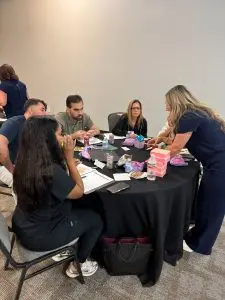
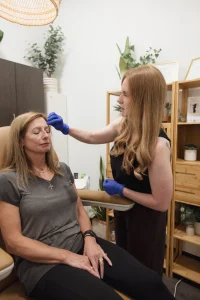
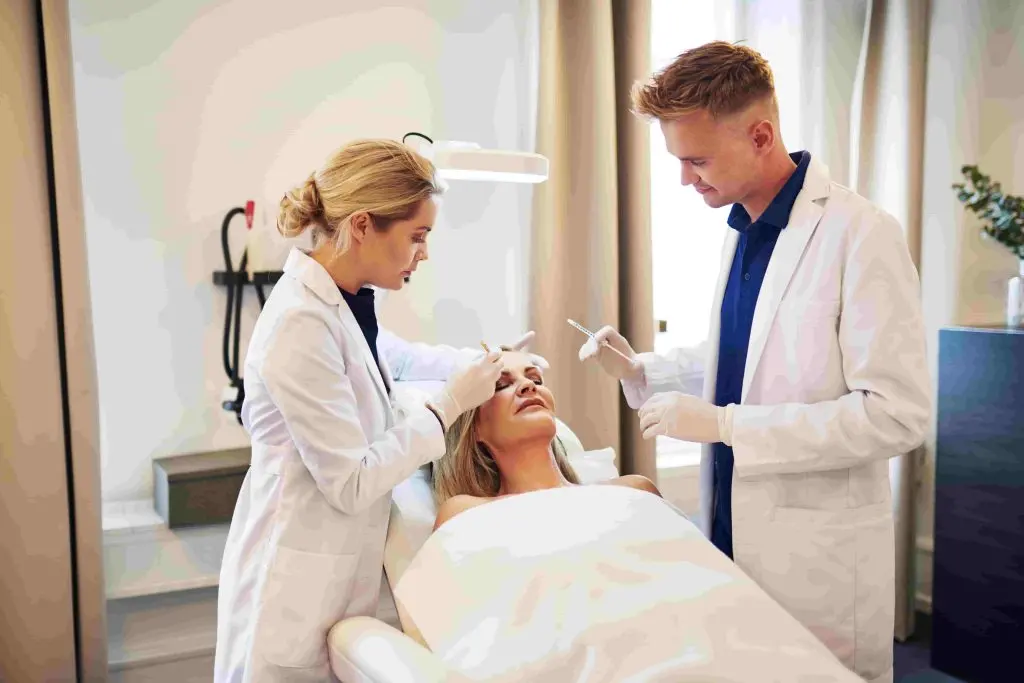
You cannot learn to inject from a slideshow. The difference between a confident new injector and a hesitant one comes down to how many live, supervised injections they performed during training. When comparing programs, ask directly: How many live models will I inject? What’s the instructor-to-student ratio? Will I be supervised one-on-one during my first treatments?
Look for small cohorts and real patients, not mannequins or shared observation. Anatomy matters here—understanding the facial musculature and vascular danger zones is what separates safe injectors from risky ones, and that knowledge is reinforced through repetition under expert supervision.
3. Evaluate Instructor Credentials and Experience
The quality of your education is only as strong as the person teaching it. A reputable program is led by experienced clinical injectors—nurses, nurse practitioners, or physicians who inject daily in active practice, not theorists. Ask about your lead instructor’s background, years of injecting experience, and whether they’ll be present for the full hands-on portion.
Our courses are led by working clinical experts who bring current, real-world technique to every session. You can review where and how we teach across the metroplex on our training locations page.
4. Confirm Location Convenience and Course Format
For working nurses, logistics are not a minor detail. A program located near you reduces travel costs, time off, and stress. Within the Dallas area and surrounding metroplex, we offer in-person botox training Texas nurses can actually reach, with multiple locations:
If your schedule makes a full in-person weekend difficult, a best online botox training option lets you complete didactic coursework on your own time before attending the hands-on component. Many nurses use a hybrid approach to balance work and learning.
5. Look at the Full Curriculum, Not Just Botox
A strong foundational course covers neurotoxins, but your earning potential expands when you can offer dermal fillers too. Filler work—especially lips—requires its own dedicated training because the technique, product behavior, and complication management differ substantially from neurotoxin injection. If lips are part of your goal, explore our lip filler training in Texas.
Ask whether the curriculum includes complication recognition and management, consent and documentation, and the hyaluronic acid chemistry behind modern fillers. A program that only teaches you to inject—without teaching you to recognize and manage problems—is leaving you exposed.
6. Understand the True Cost and What’s Included
Price comparisons are only meaningful when you know what each program includes. Some advertise low tuition but charge extra for product, models, certification, or follow-up support. A transparent program tells you upfront what’s covered. We break this down in detail in our guide to botox certification cost and how to choose the right program.
Consider the cost against value: post-training mentorship, business guidance, and ongoing access to instructors often matter more than a few hundred dollars in tuition difference. The cheapest course is rarely the one that launches a successful injecting career.
7. Check Post-Training Support and Compliance Guidance
Finishing a course is the beginning, not the end. The best programs help you understand what comes next: securing a medical director, establishing physician delegation, and operating within Texas regulations. Practicing aesthetics legally as a nurse requires proper oversight structures, and programs that ignore this leave graduates unprepared to actually work.
Look for a provider that supports you beyond the classroom—answering questions as you launch, and connecting you to the compliance resources you’ll need to practice safely and legally.
Take the Next Step Toward Becoming an Injector
Choosing the right rn injector training near Dallas comes down to verifying clinician-only enrollment, demanding real hands-on experience, vetting your instructors, confirming a convenient location, and understanding the full curriculum and cost. Get these right, and you set yourself up for a confident, compliant, and rewarding career in aesthetics.
Texas Academy of Medical Aesthetics offers nurse-focused training across the Dallas metroplex and beyond, with experienced clinical instructors and a curriculum built around real practice. Explore your options and start your journey at injectortraining.org.
Frequently Asked Questions
Can registered nurses legally inject Botox in Texas?
Yes. Registered nurses in Texas can administer Botox and dermal fillers under proper physician delegation and supervision, in accordance with Texas Board of Nursing scope-of-practice rules. Before any treatment, a good-faith exam and an established medical director relationship are required. A quality rn injector training program teaches these compliance requirements alongside clinical technique.
What should I look for in a nurse injector training program near Dallas?
Look for a program built specifically for licensed medical professionals, ample live-patient hands-on injection experience, experienced clinical instructors, a convenient location, a full curriculum covering both neurotoxins and dermal fillers, transparent pricing, and post-training compliance support. You can compare formats and locations on our training locations page.
How much does Botox certification cost for nurses?
Cost varies based on what’s included—product, live models, certification, and post-training support. Compare programs by total value rather than tuition alone, since mentorship and ongoing access to instructors often matter more than a small price difference. We break this down fully in our guide to botox certification cost and how to choose the right program.
Is online Botox training enough to start injecting?
Online coursework is excellent for completing the didactic portion on your own schedule, but it must be paired with supervised, live hands-on training. Many nurses use a hybrid approach, completing online botox training before attending an in-person hands-on session.
Do I need a medical director to practice as a nurse injector in Texas?
Yes. To practice aesthetics legally as a nurse in Texas, you need proper physician oversight, including a delegating medical director and good-faith exam protocols. Quality botox training Texas programs help graduates understand and establish these compliance structures so they can begin injecting safely and legally.